
A recent report by Transport & Environment (T&E) has cast a spotlight on Singapore’s aspirations to become a regional green hub, revealing significant challenges ahead as Changi Airport emerges among the world’s highest carbon emitters. The findings underscore a broader trend in the Asia-Pacific region, which is now the leading contributor to global aviation pollution. As governments and industry players push for sustainability in air travel, the report raises critical questions about the pace and scale of emissions reductions in one of the world’s busiest aviation markets.
Singapore’s Changi Airport Identified as Major Source of Aviation Emissions in New Report
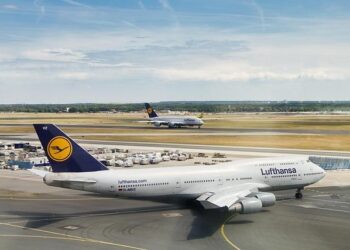
Changi Airport’s carbon footprint is drawing increased scrutiny following a recent report that highlights its role as a significant emitter within the Asia-Pacific aviation sector. Despite Singapore’s ambitious Green Hub initiatives aiming to position the city-state as a leader in sustainable aviation, the airport ranks among the top contributors to aviation-related greenhouse gas emissions globally. The study, conducted by Transport & Environment (T&E), reveals that emissions from aircraft movements, ground support equipment, and airport operations combine to create a challenging environmental landscape for the otherwise climate-conscious region.
The report emphasizes several critical factors contributing to Changi’s environmental impact:
- High volume of international flights serving as a major transit hub
- Substantial fuel consumption by aircraft idling and taxiing on ground
- Limited adoption of electrified ground support vehicles and infrastructure
| Airport | CO2 Emissions (Mt/year) | Region |
|---|---|---|
| Singapore Changi | 4.8 | Asia-Pacific |
| Beijing Capital | 5.2 | Asia-Pacific |
| Los Angeles | 4.3 | North America |
Asia-Pacific Emerging as Global Leader in Aviation Pollution Amidst Growing Environmental Concerns
The Asia-Pacific region is rapidly becoming the epicenter of aviation-related environmental challenges, with emissions soaring to unprecedented levels. New data reveals that several major hubs, including Singapore’s Changi Airport, rank among the highest carbon emitters globally, putting serious pressure on governments and industry stakeholders to rethink their sustainability strategies. Despite ambitious national pledges and investments aimed at transforming Singapore into a green aviation hub, the scale of pollution raises questions about the feasibility and timeline of these initiatives.
Key factors contributing to the surge in emissions include:
- Rapid passenger growth: Increasing demand for air travel has outpaced efficiency gains.
- Fleet composition: Older, less fuel-efficient aircraft continue to operate extensively.
- Limited infrastructure upgrades: Delays in implementing green technologies and sustainable fuels.
Below is a comparative snapshot illustrating emission levels (in kilotonnes CO2) across select Asia-Pacific airports for 2023:
| Airport | Emissions (kt CO2) | Year-on-Year Growth |
|---|---|---|
| Changi Airport (Singapore) | 1,450 | +7.8% |
| Beijing Capital (China) | 1,320 | +6.5% |
| Tokyo Haneda (Japan) | 1,100 | +5.9% |
| Sydney Kingsford Smith (Australia) | 770 | +8.2% |
Experts Call for Stricter Emission Controls and Sustainable Practices to Protect Singapore’s Green Hub Vision
Amid rising concerns over aviation’s environmental footprint, environmental specialists and industry analysts are urging the Singaporean government and airport operators to implement more stringent emission controls. Changi Airport, a pivotal element of Singapore’s plan to establish itself as a key green aviation hub, has been identified as one of the highest-emitting airports globally. Experts warn that without immediate intervention, these emissions could undermine Singapore’s ambitious sustainability targets and its reputation as a forward-thinking, eco-friendly hub in the Asia-Pacific region.
Key recommendations include:
- Adoption of advanced, low-emission air traffic management technologies
- Greater investments in sustainable aviation fuels (SAF)
- Strengthening regulations on carbon emissions for carriers operating within the region
- Enhanced transparency and mandatory reporting on airport-related pollution
| Airport | Annual CO2 Emissions (Metric Tons) | Emission Ranking |
|---|---|---|
| Changi Airport (SIN) | 1,200,000 | 3rd Highest |
| Tokyo Haneda (HND) | 1,350,000 | 2nd Highest |
| Beijing Capital (PEK) | 1,500,000 | Highest |
Concluding Remarks
As Singapore positions itself as a regional green hub, the findings from the T&E report cast a spotlight on the urgent need for more robust action within the aviation sector. With Changi Airport ranking among the world’s highest emitters and the Asia-Pacific region driving a significant share of global aviation pollution, policymakers and industry leaders face mounting pressure to reconcile growth ambitions with environmental sustainability. How Singapore responds to these challenges will be critical in determining whether its green hub aspirations can translate into meaningful climate progress.