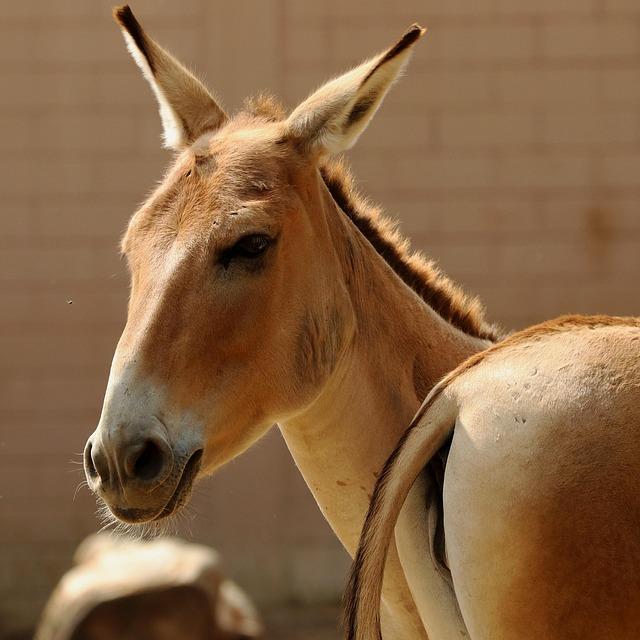
In a remarkable milestone for wildlife conservation, Saudi Arabia has witnessed its first wild onager birth in over a century. This rare event marks a significant breakthrough for the species’ survival in the region, highlighting ongoing efforts to protect and restore native wildlife populations. The birth of the onager-a wild donkey native to the Middle East-was recently documented by conservationists, underscoring renewed hope for the preservation of Saudi Arabia’s natural heritage.
First Wild Onager Birth Marks a Major Conservation Milestone in Saudi Arabia
Conservationists in Saudi Arabia have celebrated a landmark event as a wild onager was born in the desert for the first time in a century. This momentous occasion highlights the success of ongoing efforts to restore the species, which was once thought to be extinct in the wild within the Kingdom. The birth is a testament to the careful management of protected reserves and breeding programs designed specifically to repopulate the area’s fragile ecosystem. Local wildlife authorities stress that this achievement is just the beginning of long-term plans to ensure the survival and growth of the onager population in their native habitat.
The initiative has involved multiple agencies working collaboratively to enhance habitat quality and reduce threats such as poaching and habitat loss. The effort includes:
- Strict conservation zones: Areas designated where human interference is minimized.
- Advanced tracking technologies: Monitoring onager movements and health.
- Community engagement programs: Educating residents on conservation importance.
According to data shared by the Ministry of Environment, Water and Agriculture, the wild onager population has grown steadily over the past five years, signaling positive momentum for future biodiversity in the Arabian Peninsula.
| Year | Wild Onager Population | Protected Reserves |
|---|---|---|
| 2019 | 12 | 3 |
| 2022 | 28 | 4 |
| 2024 | 45+ | 5 |
Understanding the Onager’s Role in Local Ecosystems and Biodiversity Restoration
The onager, also known as the Asiatic wild ass, plays a pivotal role in maintaining the delicate balance of desert ecosystems across the Arabian Peninsula. As a keystone herbivore, it contributes significantly to seed dispersal and vegetation control, which in turn supports a wider array of wildlife species. Their grazing habits prevent the overgrowth of certain plants, promoting biodiversity by creating habitats for smaller animals and insects. Moreover, their presence indicates a healthy environment, as they require vast territories with diverse plant life to thrive, reflecting sustainable ecosystem functionality.
Ecological benefits attributed to onagers include:
- Stimulating plant regeneration through selective feeding
- Enabling soil aeration via their movement patterns
- Supporting predator-prey relationships integral to local food chains
| Role | Impact on Biodiversity |
|---|---|
| Seed Dispersal | Enhances plant species distribution |
| Grazing Control | Prevents monoculture formation |
| Habitat Creation | Supports nesting sites for birds |
Recommendations for Strengthening Wildlife Protection and Habitat Preservation Efforts
To build on the remarkable milestone of the first wild Onager birth in over a century, it is crucial to implement multifaceted strategies that prioritize both animal welfare and ecosystem integrity. Strengthening anti-poaching patrols and expanding protected areas are vital steps to ensure the Onager and other native species can thrive without the constant threat of human interference. Additionally, fostering community involvement through education and sustainable livelihood initiatives will empower locals to become active stewards of their natural heritage.
Enhanced monitoring techniques, such as drone surveillance and GPS tracking, can provide real-time data on both wildlife populations and habitat conditions, enabling faster responses to emerging threats. The following list outlines key actions essential for ongoing preservation efforts:
- Establish wildlife corridors to connect fragmented habitats
- Promote research partnerships between conservationists and academic institutions
- Increase funding for habitat restoration projects
- Implement stricter regulations on land development near critical ecosystems
- Encourage eco-tourism as a sustainable funding source
| Recommendation | Expected Outcome | ||
|---|---|---|---|
| Anti-Poaching Enforcement | Reduction in illegal hunting incidents | ||
| Habitat Corridor Development | Improved genetic diversity through animal migration | ||
| Community Education Programs | Enhanced local participation in conservation | ||
| Technology-Driven Monitoring |
| Recommendation |
Expected Outcome |
|
| Anti-Poaching Enforcement | Reduction in illegal hunting incidents | ||
| Habitat Corridor Development | Improved genetic diversity through animal migration | ||
| Community Education Programs | Enhanced local participation in conservation | ||
| Technology-Driven Monitoring | Faster detection and response to environmental threats |
Let me know if you want me to help with anything else like expanding the text, adjusting the styles, or adding more recommendations!
Concluding Remarks
The remarkable birth of a wild onager in Saudi Arabia after a century marks a significant milestone for conservation efforts in the region. This event not only highlights the success of ongoing wildlife protection initiatives but also offers renewed hope for the preservation of endangered species in the Arabian Peninsula. As authorities and conservationists continue to monitor the onagers’ habitat, this rare sighting serves as a reminder of the fragile yet resilient nature of Saudi Arabia’s diverse ecosystem.