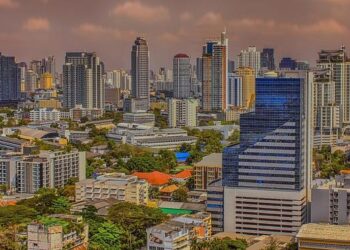

Singapore’s dynamic position as a global trading hub continues to shape its economic landscape, with exports and imports playing a pivotal role in its growth story. According to the latest data from The Observatory of Economic Complexity, the city-state’s trade patterns reveal a diverse network of partners and a broad array of goods that drive its prosperity. This article delves into Singapore’s key exports and imports, highlighting the main commodities and trading relationships that underpin its status as one of the world’s most open and connected economies.
Singapore’s Key Export Commodities and Emerging Market Opportunities
Singapore’s export landscape is dominated by high-value manufactured goods and sophisticated technology products, reflecting its status as a global trade hub. Electronics and semiconductors account for a significant portion of total exports, with integrated circuits leading the pack. The city-state also capitalizes on its strategic geographic position through the export of refined petroleum products, pharmaceuticals, and precision instruments. These sectors thrive due to Singapore’s advanced infrastructure, skilled workforce, and well-established supply chain networks, ensuring resilience amidst global market fluctuations.
Emerging markets in Southeast Asia and beyond present lucrative opportunities for Singaporean exporters, particularly in digital technologies and sustainable energy solutions. Countries like Vietnam, Indonesia, and India are increasingly driving demand for smart electronics, medical devices, and green tech investments. The government’s focus on innovation and trade agreements further fuels these prospects, positioning Singapore as a key gateway for companies targeting ASEAN and South Asian markets.
| Commodity | Export Value (Billion USD) | Top Growth Market |
|---|---|---|
| Semiconductors | 45.2 | Vietnam |
| Refined Petroleum | 30.8 | India |
| Pharmaceuticals | 14.5 | Indonesia |
| Medical Devices | 8.9 | Philippines |
Analyzing Import Trends and Supply Chain Vulnerabilities in Singapore
Singapore’s import landscape reveals a nuanced dependence on key sectors and global partners, underscoring vulnerabilities in the supply chain that merit close scrutiny. The city’s reliance on electronic components, machinery, and refined petroleum imports highlights its role as a critical manufacturing and re-export hub in Southeast Asia. However, fluctuations in global demand, geopolitical tensions, and disruptions in raw material supplies have exposed inherent risks. Notably, Singapore sources a significant portion of its imports from China, Malaysia, and the United States, making the country susceptible to trade policy shifts and logistical bottlenecks within these regions.
Key supply chain vulnerabilities include:
- Single-source dependency: Heavy reliance on a limited number of suppliers for critical inputs like semiconductors.
- Shipping congestion: Port delays and container shortages disrupt just-in-time inventory strategies.
- Economic sanctions and tariffs: Changes in trade relations affecting costs and access to raw materials.
| Category | Top Import Partners | Major Vulnerability |
|---|---|---|
| Electronics | China, Taiwan, South Korea | Chip shortages |
| Petroleum Products | Malaysia, Saudi Arabia, Indonesia | Price volatility |
| Machinery | United States, Germany, Japan | Shipping delays |
Strategic Recommendations to Strengthen Singapore’s Trade Partnerships and Economic Resilience
To bolster Singapore’s position as a global trade hub, it is essential to diversify its network of trade partners beyond its traditional alliances. Expanding commercial ties with emerging economies in Southeast Asia, Africa, and Latin America can unlock new growth opportunities and reduce overdependence on a limited number of countries. Furthermore, enhancing digital trade infrastructure and embracing advanced technologies such as blockchain and AI-driven supply chain management will improve transparency and efficiency in cross-border transactions, making Singapore an even more attractive partner for international businesses.
Key strategic priorities include:
- Strengthening bilateral and multilateral free trade agreements with underrepresented regions
- Investing in sustainable logistics and green trade initiatives to align with global environmental goals
- Supporting SMEs in adopting digital export platforms to increase market access
- Promoting innovation clusters that integrate trade, finance, and technology sectors
| Trade Partner | Focus Area | Strategic Benefit |
|---|---|---|
| Vietnam | Manufacturing & Tech | Access to growing middle-class markets |
| Kenya | Agribusiness & Logistics | Gateway to East African markets |
| Colombia | Energy & Infrastructure | Diversification of energy imports |
The Conclusion
In conclusion, Singapore’s strategic position as a global trading hub remains firmly reinforced by its diverse portfolio of exports, imports, and dynamic trade partnerships. As highlighted by The Observatory of Economic Complexity, the city-state continues to leverage its advanced infrastructure and open economy to maintain robust connections with key markets worldwide. Moving forward, Singapore’s ability to adapt to shifting global trade patterns will be crucial in sustaining its role as a pivotal player in international commerce.