South Korea Buddha Birthday Celebrations Highlight Spiritual and Cultural Traditions
Seoul, South Korea – South Korea is preparing to honor Buddha’s Birthday, a significant national holiday that draws millions to temples and public spaces in vibrant displays of faith and cultural heritage. Known locally as “Seokga Tansinil,” the day commemorates the birth of Siddhartha Gautama, the founder of Buddhism, with colorful lantern festivals, traditional ceremonies, and communal gatherings across the country. This year’s observances, covered extensively by GazetteXtra, reflect both deep-rooted religious devotion and the modern vibrancy of South Korea’s cultural landscape.
South Korea Buddha Birthday Celebrations Illuminate Cultural Heritage
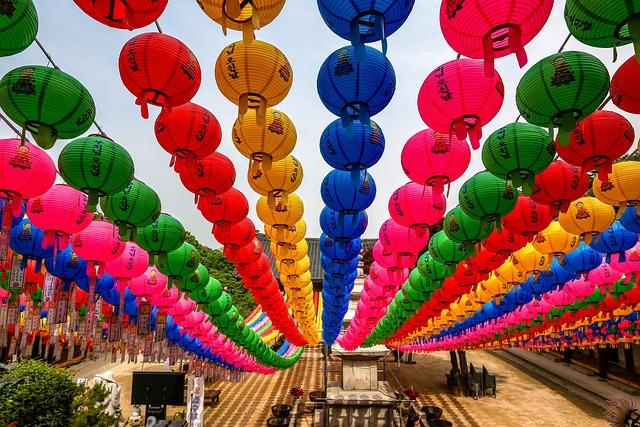
Each year, South Korea bursts into vibrant color and spiritual reflection as communities across the nation honor the birthday of Buddha, known locally as Seokga tansinil. This sacred day is marked by dazzling lantern festivals, where streets and temples glow with thousands of exquisitely crafted lotus-shaped lanterns, symbolizing enlightenment and peace. Beyond the visual spectacle, the celebrations feature traditional Buddhist rituals, cultural performances, and communal prayers that invite both locals and visitors to immerse themselves in a profound heritage that transcends generations.
The festivities showcase a remarkable blend of ancient customs and contemporary artistry, emphasizing South Korea’s dedication to preserving its cultural identity. Attendees can experience:
- Lantern parades winding through historic districts, illuminating the night sky.
- Temple ceremonies offering blessings and meditative sessions.
- Traditional music and dance performances that tell stories of Buddhist philosophy.
- Workshops and exhibitions highlighting the significance of Buddha’s teachings.
| Event | Location | Highlight |
|---|---|---|
| Lotus Lantern Festival | Jogyesa Temple, Seoul | Nighttime lantern parade |
| Buddhist Chanting Sessions | Haeinsa Temple, South Gyeongsang | Traditional monks’ rituals |
| Cultural Workshops | Various Community Centers | Lantern making and calligraphy |
Traditional Lantern Parades and Temple Rituals Draw Millions of Devotees
Each year, the vibrant streets of South Korea come alive with the mesmerizing glow of thousands of traditional lanterns as devotees gather to honor the birth of Buddha. These lantern parades, rich in culture and spirituality, light the path for believers and tourists alike, weaving through city avenues and temple courtyards. Attendees partake in serene rituals, including the ringing of ancient bells and the offering of lotus flowers, fostering a profound sense of community and reverence. The event’s signature lotus lanterns, crafted meticulously by artisans, symbolize enlightenment and hope, captivating all who witness the spectacle.
Temple rituals extend beyond visual grandeur to include chanting sessions, meditation circles, and ceremonial tea offerings, reflecting centuries-old traditions preserved by monastic communities. Key features of the celebrations include:
- Prayer ceremonies led by Buddhist monks
- Traditional music performances invoking spiritual harmony
- Interactive workshops on lantern making and Buddhist teachings
| Event | Location | Time |
|---|---|---|
| Grand Lantern Parade | Jongno District, Seoul | Evening (7 PM – 10 PM) |
| Temple Chanting Ceremony | Jogyesa Temple | Morning (6 AM – 8 AM) |
| Lantern Workshop | National Folk Museum | Afternoon (2 PM – 4 PM) |
Visitors are encouraged to immerse themselves in these sacred rituals and cultural activities, which together illuminate the spiritual significance behind the Buddha’s birth celebrations.
How Visitors Can Experience Authentic Festivities and Respect Local Customs
Immersing oneself in the vibrant celebrations of Buddha’s Birthday in South Korea offers an unparalleled glimpse into the nation’s rich spiritual tapestry. Visitors are encouraged to participate respectfully in temple lantern-lighting ceremonies, a highlight of the festivities, which symbolize the illumination of wisdom and compassion. Wearing modest clothing and removing shoes before entering temple grounds are essential gestures that honor local traditions. To fully appreciate the atmosphere, stroll through bustling streets adorned with colorful paper lanterns and enjoy traditional performances such as Beompae (Buddhist chanting) and folk dances, while keeping noise levels considerate to maintain the solemnity of the rituals.
Understanding and adhering to cultural etiquette enhances the overall experience while showing reverence for South Korean customs. Here are some helpful tips for visitors:
- Avoid touching sacred objects unless invited by temple staff.
- Photography is permitted in public areas but seek permission before capturing monks or rituals up close.
- Partake in temple food offerings with gratitude but refrain from eating inside prayer halls.
- Follow temple rules posted at entrances, especially regarding quiet zones and designated paths.
| Do | Don’t |
|---|---|
| Greet locals with a slight bow | Make loud noises near prayer areas |
| Remove shoes before entering temples | Wear revealing or flashy clothing |
| Carry cash for donations or purchases | Touch monks or their belongings without consent |
The Way Forward
As South Korea continues to honor Buddha’s Birthday with vibrant ceremonies and communal celebrations, the festival remains a profound reflection of the nation’s rich cultural heritage and spiritual traditions. From lantern-lit processions to temple rituals, this annual event not only brings communities together but also offers a moment of reflection and reverence. GazetteXtra will continue to provide in-depth coverage of this significant observance, capturing the enduring legacy of Buddhism in South Korea and its impact on contemporary society.