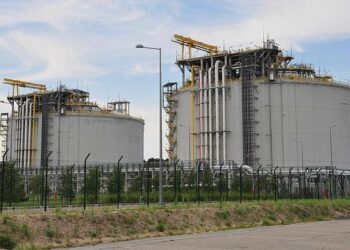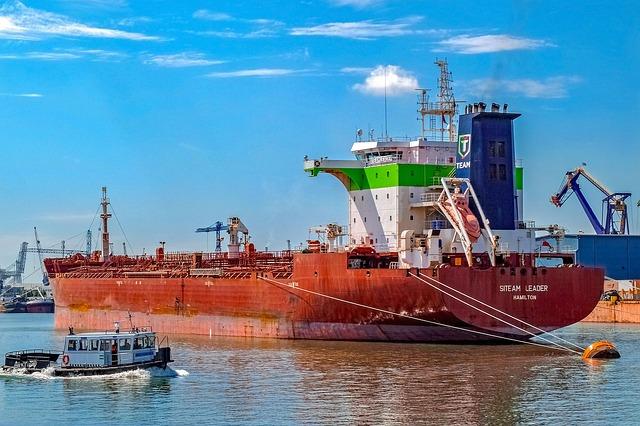
As global demand for liquefied natural gas (LNG) surges, a significant shift is underway in the international energy landscape. According to recent reports from Euronews.com, LNG shipments are increasingly being redirected towards Asia, leaving European markets grappling with tightening supplies. This realignment not only underscores Asia’s growing appetite for energy but also highlights the challenges Europe faces amid a changing geopolitical and economic environment. The evolving dynamics of LNG distribution raise critical questions about energy security and market stability across the continent.
LNG Demand Surge in Asia Strains Global Supply Chains
Asia’s rapid expansion in LNG consumption is creating unprecedented pressure on global supply chains. Countries such as China, India, and South Korea are aggressively securing LNG cargoes to fuel their industrial growth and meet rising domestic energy demands. This demand spike has prompted suppliers to divert shipments eastward, resulting in tighter availability and soaring prices in other regions. The logistical hurdles are further compounded by limited export capacity and evolving geopolitical tensions, which disrupt maritime routes and increase transit times.
Key challenges include:
- Port congestion at major Asian hubs, delaying unloading and redistribution
- Rising freight costs impacting overall supply chain economics
- Diminished stockpiles in European and American markets, heightening vulnerability to seasonal demand swings
Below is a snapshot comparing LNG demand growth rates across top regions in 2023 (% increase):
| Region | Demand Growth (%) |
|---|---|
| Asia-Pacific | 15.8% |
| Europe | 3.2% |
| North America | 2.5% |
Europe Faces Critical Energy Shortages Amid Shifting LNG Flows
Europe’s energy landscape is rapidly evolving as global liquefied natural gas (LNG) flows pivot towards the burgeoning Asian markets. With Asian economies such as China, South Korea, and India offering higher price premiums, LNG suppliers are redirecting shipments, leaving European nations scrambling to secure adequate supplies. This shift poses a significant challenge for European energy security ahead of the cold winter months, with storage levels notably below the five-year average. Governments are now exploring emergency measures, including increasing imports of alternative fuels and accelerating renewable energy projects to mitigate the looming shortages.
Key factors intensifying the supply crunch include:
- Higher LNG prices in Asia drawing cargoes away from Europe
- Reduced pipeline volumes from traditional sources due to geopolitical tensions
- Increased demand for gas in Asia exacerbated by economic recovery post-pandemic
| Region | 2023 LNG Imports (Million Tons) | Change YoY (%) |
|---|---|---|
| Asia | 110 | +12% |
| Europe | 80 | -9% |
| North America | 15 | +3% |
Strategic Policy Changes Urged to Mitigate Europe’s LNG Supply Crisis
As liquefied natural gas shipments increasingly shift towards Asia, European nations are grappling with dwindling supplies just as demand surges amid seasonal cold snaps. Industry experts emphasize the urgent need for targeted policy reforms aimed at diversifying import routes and boosting domestic infrastructure resilience. Without swift governmental intervention, the continent may face prolonged energy shortages, potentially disrupting industrial output and household heating.
Key strategic measures proposed include:
- Expanding LNG terminal capacity along southern and western European coasts to reduce dependence on traditional northern supply corridors.
- Strengthening energy storage systems to provide buffer during market volatility.
- Enhancing diplomatic efforts to secure long-term supply contracts with alternative exporters.
A comparative look at current LNG imports highlights the urgency:
| Region | Monthly LNG Imports (Bcm) | % Change YoY |
|---|---|---|
| Asia-Pacific | 12.4 | +18% |
| Europe | 8.1 | -11% |
Future Outlook
As Asia’s demand for liquefied natural gas continues to surge, Europe faces mounting challenges in securing stable supplies amid tightening global markets. The shifting LNG trade flows underscore the growing energy competition between regions and highlight the urgent need for Europe to diversify its energy sources and bolster domestic capacity. As geopolitical and economic factors evolve, the coming months will be critical in determining how Europe adapts to this new energy dynamic and ensures long-term stability for its consumers.