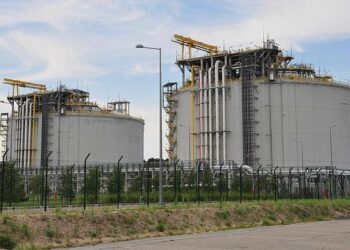

Qatar’s decision to temporarily halt liquefied natural gas (LNG) production has sent ripples through the global energy market, raising fresh concerns among Asian buyers heavily reliant on its supplies. As one of the world’s largest LNG exporters, Qatar’s pause comes amid shifting geopolitical and economic pressures, prompting industry analysts and importers to reevaluate supply strategies and contract commitments. This development underscores the fragile balance of energy security in Asia and highlights emerging challenges in meeting the region’s growing gas demand.
Qatar’s LNG Production Halt Raises Supply Security Concerns for Asian Markets
Asia’s robust demand for liquefied natural gas (LNG) faces fresh challenges as Qatar’s temporary suspension in production disrupts established supply chains. The Gulf state’s role as a top LNG exporter has been pivotal in balancing regional energy needs, particularly for countries like Japan, South Korea, and China, whose energy consumption heavily relies on consistent LNG inflows. Industry analysts warn that the pause threatens to tighten the market further amid already volatile global energy prices, prompting buyers to seek alternative suppliers or increase storage capacities to mitigate risks.
Key implications for Asian markets include:
- Heightened competition among importers for limited LNG cargoes
- Potential price surges impacting industrial and residential consumers
- Increased strategic urgency to diversify energy portfolios
| Country | Qatar LNG Imports (MT) | Alternative Suppliers |
|---|---|---|
| Japan | 20 | Australia, USA |
| South Korea | 15 | Malaysia, Russia |
| China | 25 | Indonesia, USA |
Implications for Energy Prices and Contractual Obligations Amidst Production Pause
The sudden halt in LNG production from Qatar, one of the world’s largest suppliers, is creating ripples across energy markets, especially in Asia where demand remains robust. Buyers are now bracing for potential price volatility as supply tightens amidst already elevated global gas prices. Contractual commitments that hinge on fixed volumes are under scrutiny, forcing companies to reassess risk management strategies and contingency plans. The interruption could catalyze a surge in spot market transactions, pushing prices higher and challenging buyers who traditionally rely on long-term agreements.
Industry analysts highlight several key concerns for Asian importers during this period:
- Price renegotiations: Buyers may seek to revisit contract clauses to address potential supply shortfalls.
- Force majeure claims: Questions arise whether the production pause qualifies for contractual relief.
- Supply diversification: A renewed push toward sourcing LNG from alternative suppliers is expected.
| Impact Area | Potential Outcome | Buyer Response |
|---|---|---|
| Contractual Volume | Reduction or delay in deliveries | Activate penalty or renegotiation clauses |
| Pricing | Increase due to supply scarcity | Shift towards spot market purchases |
| Supply Security | Heightened uncertainty | Explore alternative LNG hubs |
Strategic Recommendations for Asian Buyers to Mitigate Risks and Diversify Supply Sources
Asian buyers are urged to adopt a multi-faceted approach to shield themselves from supply disruptions caused by Qatar’s LNG production pause. Prioritizing diversification of supply by engaging with alternative LNG exporters such as Australia, the United States, and Russia can significantly reduce reliance on a single supplier. Additionally, incorporating long-term contract flexibility that allows for volume adjustments will enable buyers to better respond to market fluctuations without bearing excessive penalties. Strategic investment in spot market opportunities could also offer short-term relief, although prices tend to be more volatile.
Risk mitigation extends beyond sourcing to include logistical and storage capabilities. Enhanced infrastructure investment in LNG storage terminals across Asia can provide a buffer during supply interruptions, giving buyers more negotiating power on prices and delivery schedules. Moreover, collaboration between regional buyers to establish joint procurement frameworks could strengthen bargaining positions and stabilize regional energy prices. The table below outlines a comparative strategy matrix for Asian LNG buyers looking to balance price, flexibility, and security amid the evolving market landscape.
| Strategy | Benefit | Challenge |
|---|---|---|
| Multi-supplier Engagement | Supply security & diversity | Complex contract management |
| Flexible Long-term Contracts | Adaptability to market changes | Potential higher contract costs |
| Spot Market Purchasing | Immediate supply availability | Price volatility risk |
| Infrastructure Investment | Buffer against disruptions | High upfront capital requirement |
| Joint Regional Procurement | Stronger negotiation position | Coordination and governance hurdles |
To Wrap It Up
As Qatar’s temporary halt in LNG production unfolds, Asian buyers are now facing increased uncertainty amid tight energy markets. The pause highlights the region’s ongoing vulnerability to supply disruptions and raises critical questions about future diversification strategies. Stakeholders will be closely monitoring developments as Qatar’s actions continue to shape the dynamics of the global LNG landscape.