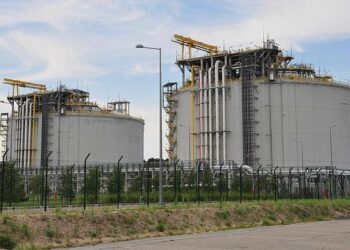

A recent bombing at a major gas terminal in Qatar is expected to have lasting repercussions on global energy markets, with experts warning of sustained price increases in the coming years. The attack, reported by Asia Times, targets one of the world’s key suppliers of liquefied natural gas (LNG), raising concerns over supply stability amid already volatile market conditions. This development is poised to impact not only regional but also international energy prices, underscoring the geopolitical risks facing the global energy sector.
Qatar Gas Terminal Attack Disrupts Global Supply Chains and Market Stability
The recent attack on the key LNG terminal in Qatar, one of the world’s largest natural gas exporters, has sent immediate shockwaves through international energy markets. The disruption has halted a significant portion of Qatar’s gas output, intensifying concerns over supply shortages at a time when global energy demand is already strained. Analysts warn that this incident could trigger prolonged price volatility, particularly impacting energy-importing nations in Asia, where dependency on Qatari gas is substantial. The ripple effect is expected to strain refining operations, exacerbate inflationary pressures, and challenge the stability of supply chains across multiple sectors.
Key consequences of the attack include:
- Sharp increase in LNG spot prices due to immediate supply deficits
- Disruption of regional energy security, prompting urgent search for alternate suppliers
- Heightened geopolitical tensions in the Gulf complicating swift recovery efforts
- Long-term contractual renegotiations as buyers brace for uncertainty
| Region | Dependency on Qatari LNG (%) | Short-term Price Impact |
|---|---|---|
| East Asia | 35% | +20% |
| Europe | 18% | +15% |
| South Asia | 22% | +18% |
Long-Term Price Surge Expected Amid Heightened Geopolitical Risks and Production Challenges
The recent attack on Qatar’s key gas terminal has sent shockwaves through global energy markets, underscoring persistent vulnerabilities amid a volatile geopolitical landscape. Analysts warn that the disruption in supply, combined with heightened tensions in the Middle East and ongoing production bottlenecks, will exert upward pressure on natural gas prices well into the coming years. Supply chains are strained as operators grapple with both physical infrastructure damages and the uncertainty of further escalations, which jeopardize stable output and contract fulfillment in one of the world’s most critical LNG hubs.
Market observers highlight several factors that are converging to create a perfect storm for sustained price hikes:
- Geopolitical instability: Regional conflicts and diplomatic strains raise the risk of further supply interruptions.
- Limited spare capacity: Aging infrastructure and regulatory delays hinder rapid recovery efforts.
- Inventory pressures: Reduced storage levels amplify price volatility amid demand surges.
- Global demand shifts: Asia’s growing energy appetite intensifies competition for scarce LNG supplies.
| Factor | Impact | Duration |
|---|---|---|
| Infrastructure Damage | Significant production cuts | 6-12 months |
| Geopolitical Tensions | Risk of further disruption | Ongoing |
| Market Demand | Pressure on prices | Long-term |
Experts Urge Strategic Energy Diversification and Enhanced Regional Security Measures
In the aftermath of the targeted attack on Qatar’s gas terminal, analysts warn that the global energy landscape faces considerable volatility. The incident has exposed the vulnerabilities inherent in the over-reliance on singular energy hubs, prompting calls for immediate diversification across suppliers and energy sources. Regional stakeholders emphasize the necessity of adopting a multipronged strategy that balances traditional fossil fuels with accelerated investments in renewables, ensuring both energy security and market stability amidst geopolitical tensions.
Security experts have also advocated for enhanced, coordinated defense mechanisms among Gulf states to safeguard critical infrastructure. Proposed measures include:
- Joint intelligence sharing to preempt and neutralize potential threats
- Deployment of advanced surveillance systems utilizing AI and satellite technology
- Implementation of rapid response task forces trained to handle sabotage and terrorist incidents
| Measure | Expected Benefit | Timeline |
|---|---|---|
| Joint Intelligence Sharing | Early threat detection | Immediate |
| AI Surveillance Systems | Continuous monitoring | 6-12 months |
| Rapid Response Task Forces | Quick containment | 3-6 months |
Future Outlook
As the ramifications of the Qatar gas terminal bombing unfold, energy markets brace for sustained volatility and upward pressure on prices. With Qatar playing a pivotal role in global liquefied natural gas supplies, disruptions at its infrastructure are set to reverberate across international markets for years to come. Stakeholders from policymakers to consumers will need to monitor developments closely as the region navigates the complex path toward stability and energy security.