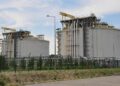

As the global energy landscape undergoes unprecedented upheaval, Asia’s largest economies are navigating a complex web of challenges to secure their energy futures. In the face of soaring prices, supply chain disruptions, and shifting geopolitical dynamics, nations like China, India, and Japan are deploying a range of strategies-from accelerating renewable investments to reconfiguring import dependencies-to mitigate the impact of the ongoing energy shock. This analysis explores how these key players are adapting to a volatile market and what their approaches reveal about the region’s evolving role in the global energy arena.
Asia’s Strategic Shifts Amid Global Energy Disruptions
Asia’s largest economies are recalibrating their energy strategies in response to volatile global markets, supply chain interruptions, and escalating geopolitical tensions. China, India, and Japan are investing heavily in diversifying energy sources to reduce reliance on traditional fossil fuels, accelerating the adoption of renewables such as solar, wind, and nuclear power. Simultaneously, energy efficiency and smart grid technologies are being prioritized to stabilize domestic demand and cut costs. Governments have also begun forging new alliances and trade agreements to secure stable energy imports, especially liquefied natural gas (LNG) and rare minerals essential for clean energy technologies.
Key moves across the region include:
- China: Expanding green technology infrastructure while maintaining controlled coal consumption to avoid shocks.
- India: Fast-tracking renewable capacity targets supported by international financing and local manufacturing boosts.
- Japan: Diversifying energy import partners and enhancing hydrogen development for industrial use.
| Country | Major Energy Focus | 2024 Investment ($B) | Renewable Target 2030 |
|---|---|---|---|
| China | Solar, Nuclear, Coal Stabilization | 120 | 40% |
| India | Solar, Wind, Manufacturing | 45 | 50% |
| Japan | Hydrogen, LNG Diversification | 30 | 35% |
China’s Push for Renewable Energy to Offset Supply Volatility
In response to the growing unpredictability of global energy markets, China is accelerating its investments in renewable energy infrastructure to stabilize its supply chains. The country’s strategy emphasizes not only expanding solar and wind capacity but also integrating advanced grid technologies to better manage energy dispatch and storage. This multifaceted approach aims to reduce dependency on fossil fuel imports, which have become increasingly volatile due to geopolitical tensions and supply disruptions.
Key initiatives underpinning Beijing’s renewable push include:
- Massive solar farm deployments in the western provinces, capitalizing on vast available land and sunlight.
- Offshore wind projects along the eastern coastline, designed to augment coastal industrial hubs.
- Smart grid innovations that enhance energy distribution efficiency and support peak load management.
- Energy storage systems, leveraging next-gen battery technologies to smooth out supply fluctuations.
| Renewable Sector | 2020 Capacity (GW) | 2030 Target (GW) | Annual Growth Rate (%) |
|---|---|---|---|
| Solar | 250 | 1200 | 14.5 |
| Wind (Onshore & Offshore) | 280 | 800 | 10.8 |
| Energy Storage | 20 | 150 | 18.0 |
India’s Policy Measures to Stabilize Energy Markets and Ensure Access
Facing the dual challenge of volatile global energy prices and growing domestic demand, India has implemented a range of policy measures designed to both stabilize the market and ensure affordable access to energy for its citizens. The government’s multi-pronged approach includes strategic fuel reserves, rationalizing subsidies, and accelerating renewable energy projects. Notably, India has boosted its crude oil strategic reserves to cushion supply shocks, while recalibrating fuel pricing to balance market realities and social affordability. These moves have mitigated sharp price fluctuations and helped maintain steady supplies despite global disruptions.
Additional initiatives focus on demand-side management and diversification, with a strong push toward clean energy alternatives. Incentives for solar and wind projects, expansion of electric vehicle infrastructure, and reforms in the electricity distribution sector form vital pillars of India’s energy security framework. These efforts are complemented by policy tools aimed at improving energy efficiency across industrial and residential sectors.
- Enhanced Strategic Petroleum Reserves: Increasing storage capacity to 11.33 million barrels
- Subsidy Rationalization: Streamlining fuel subsidies to target vulnerable groups
- Renewable Energy Acceleration: Targeting 500 GW of renewable capacity by 2030
- Energy Efficiency Programs: National Mission on Enhanced Energy Efficiency (NMEEE)
| Policy Focus | Key Initiative | Impact |
|---|---|---|
| Supply Stabilization | Strategic Crude Reserves | Smoothens import disruptions |
| Market Pricing | Fuel Subsidy Reforms | Controls fiscal burden, protects vulnerable |
| Clean Energy Expansion | Renewable Project Incentives | Reduces fossil fuel dependence |
| Demand Management | Energy Efficiency Standards | Lower consumption, cost savings |
To Wrap It Up
As Asia’s largest economies navigate the turbulent waters of the global energy crisis, their strategies offer a window into both resilience and adaptation amid uncertainty. While challenges persist, the region’s diversified approaches-from accelerating renewable investments to tweaking import dependencies-underscore a pragmatic pursuit of stability. How these nations balance short-term pressures with long-term energy security will remain critical to shaping not only their own futures but also the broader dynamics of the global energy landscape.