
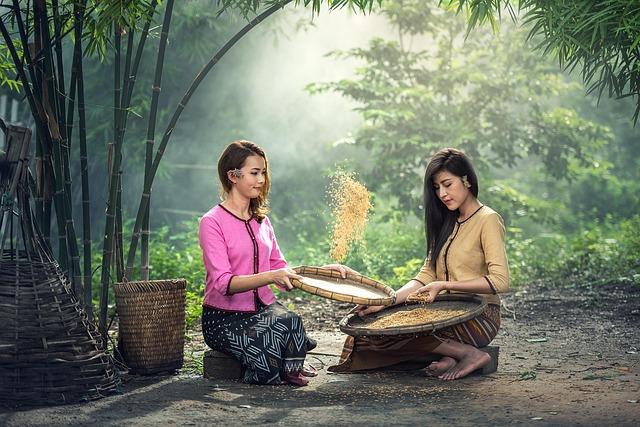
In Nepal’s rural heartlands, where communities live in close proximity to forests and wildlife, women are bearing the brunt of escalating human-wildlife conflicts. As incidents involving animals such as elephants, leopards, and wild boars rise, rural women-often responsible for collecting firewood, fetching water, and tending livestock-face increasing threats to their safety and livelihoods. This growing tension highlights a critical but overlooked dimension of Nepal’s conservation challenges, raising urgent questions about gender, vulnerability, and sustainable coexistence in the country’s biodiversity-rich regions.
Rural Women Face Growing Threats Amid Escalating Human-Wildlife Conflicts in Nepal
As human-wildlife conflicts surge across Nepal’s rural landscapes, women bear a disproportionate share of the burden. Often responsible for daily tasks such as collecting firewood, fetching water, and tending to crops, these women frequently encounter wild animals venturing from encroached habitats. Such encounters have led to alarming incidents of injuries and even fatalities. The risks are exacerbated by limited access to protective gear, inadequate community support systems, and the absence of early warning mechanisms tailored to rural settings.
Key challenges faced by rural women include:
- Increased frequency of crop raids by wild boars and elephants
- Heightened vulnerability during solitary tasks near forest fringes
- Disruption of traditional livelihoods and food security
- Psychological stress stemming from unpredictability of attacks
| Wildlife Species | Common Conflict Type | Impact on Women |
|---|---|---|
| Elephants | Crop destruction, property damage | Loss of income, increased workload |
| Leopards | Livestock predation, rare human attacks | Threat to domestic animals, safety fears |
| Wild boars | Crop raids | Food insecurity, labor intensification |
Daily Struggles and Safety Challenges Highlight the Gendered Impact of Wildlife Encroachment
In the remote villages of Nepal, women bear the brunt of escalating conflicts as wildlife increasingly encroaches on human habitats. Their daily routines, which often involve collecting firewood, fetching water, or tending to livestock, have become perilous tasks. Encounters with elephants, wild boars, and leopards are not uncommon, leading to injuries, loss of livestock, and heightened anxiety. Unlike men, who may have more freedom of movement or access to community support networks, women face these dangers largely alone, forcing many to alter travel routes or reduce essential activities, impacting household stability and food security.
Key safety challenges confronted by rural women include:
- Restricted access to safe pathways, especially after dusk
- Increased vulnerability to animal attacks during resource collection
- Limited emergency support or communication tools in isolated areas
- Heightened psychological stress due to repeated wildlife encounters
| Type of Wildlife | Reported Incidents | Common Impact on Women |
|---|---|---|
| Elephants | 45 | Crop destruction, physical injury |
| Wild Boars | 72 | Livestock loss, disrupted food collection |
| Leopards | 18 | Threat to personal safety, restricted mobility |
Calls for Community-Based Solutions and Enhanced Support to Protect Vulnerable Women in Rural Areas
Amid rising incidents of human-wildlife conflict in Nepal’s rural heartlands, local advocates and NGOs are urging for stronger, community-led strategies to safeguard vulnerable women who often bear the brunt of these encounters. Women in these regions frequently engage in daily activities such as collecting firewood, tending to livestock, and fetching water-tasks that expose them directly to wildlife threats. Calls are intensifying for tailored interventions that incorporate traditional knowledge and empower women as active protectors and decision-makers within their communities.
Key community-based initiatives proposed include:
- Establishing women-led patrol groups trained in wildlife deterrence techniques
- Creating safe corridors and designated resource retrieval zones away from high-risk wildlife habitats
- Implementing early warning systems using local communication networks for timely alerts
- Providing financial and psychological support to survivors of wildlife attacks
| Support Measure | Impact on Women | Community Role |
|---|---|---|
| Training Workshops | Improved safety awareness | Women trainers as leaders |
| Safe Resource Zones | Reduced wildlife encounters | Community mapping and monitoring |
| Emergency Alerts | Faster response times | Local communication networks |
To Conclude
As Nepal continues to grapple with the complex challenges posed by human-wildlife conflict, the increasing vulnerability of rural women stands out as a critical concern. Addressing this issue requires not only strengthened conservation strategies but also targeted interventions that empower women, improve their safety, and provide sustainable livelihood alternatives. Without such inclusive approaches, the human cost of coexistence with wildlife is likely to rise, underscoring the urgent need for policies that place rural women at the forefront of both risk mitigation and community resilience efforts.