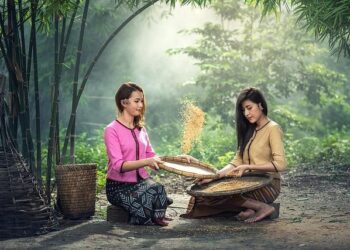

As Nepal continues to welcome international volunteers eager to make a difference, insights from those who have served on the ground prove invaluable. Drawing from the firsthand experiences of nine Peace Corps Volunteers, this article highlights practical tips and essential guidance for future volunteers preparing to live and work in the Himalayan nation. From cultural sensitivity to navigating remote communities, these expert perspectives offer a roadmap to meaningful service and successful integration in Nepal’s diverse and dynamic environment.
Navigating Cultural Sensitivities for Effective Community Engagement
Working effectively within Nepal’s diverse communities requires respect for deeply rooted traditions and local social norms. Volunteers emphasize the importance of active listening and observing before initiating conversations or projects, helping to build trust and avoid misunderstandings. Simple gestures-like using traditional greetings or showing patience with communication styles-can open doors that formal protocols might not. Many Peace Corps Volunteers also stress collaboration with local leaders, ensuring that community voices shape initiatives, which fosters a sense of ownership and long-term sustainability.
Understanding cultural frameworks also means navigating sensitive topics with care. Volunteers recommend approaching discussions around gender roles, caste, or religious beliefs with humility and discretion. The following practices have proven effective in maintaining respect while encouraging open dialogue:
- Engage elders and key influencers early to honor their role in decision-making.
- Adapt communication styles to best suit audience preferences, whether formal or informal.
- Recognize holiday and festival calendars to avoid scheduling conflicts and show cultural awareness.
| Cultural Aspect | Volunteer Tip | Impact |
|---|---|---|
| Respect for Elders | Seek guidance before launching programs | Builds trust and community support |
| Language Nuances | Learn basic phrases in Nepali or local dialects | Improves engagement and rapport |
| Religious Practices | Schedule activities around festivals | Avoids cultural insensitivity |
Building Sustainable Projects Through Local Collaboration
Success in Nepal’s diverse communities hinges on fostering genuine relationships with local partners. Volunteers emphasize the importance of listening first-understanding local needs and viewpoints before implementing solutions. Engaging community leaders, teachers, and neighbors not only builds trust but also ensures projects are culturally relevant and sustainable. By collaborating closely, volunteers can tailor their initiatives to complement existing resources, avoiding duplication and maximizing impact.
Flexibility and respect are crucial ingredients for enduring partnerships. Volunteers recommend:
- Co-creating goals with community members, empowering them to take ownership.
- Incorporating traditional knowledge alongside modern techniques.
- Establishing feedback loops to adapt projects based on community responses.
Such approaches cultivate resilience in projects, ensuring progress continues even after volunteers depart.
| Best Practice | Volunteer Insight |
|---|---|
| Community Engagement | “Attend local events to build rapport.” |
| Cultural Sensitivity | “Always ask before suggesting changes.” |
| Skill Sharing | “Train locals, then step back.” |
Overcoming Challenges in Remote Areas with Practical Solutions
Navigating life and work in Nepal’s remote regions requires adaptability and resourcefulness. Volunteers emphasize the importance of building strong local connections, which can unlock access to resources and community wisdom crucial for overcoming logistical barriers. Simple strategies, such as aligning project timelines with local festivals or weather patterns, help mitigate unpredictable challenges. Additionally, embracing technology creatively-whether it’s using solar chargers or offline mapping apps-has proven indispensable in areas with limited infrastructure.
Practical tools and habits can significantly improve daily living conditions. Volunteers recommend investing in durable, multi-functional gear and maintaining a careful balance between preparedness and flexibility. The following table illustrates common challenges encountered with reliable solutions suggested by experienced Peace Corps members:
| Challenge | Solution |
|---|---|
| Unreliable Electricity | Solar-powered equipment & portable battery packs |
| Language Barriers | Regular language practice & hiring local translators |
| Transportation Delays | Flexible scheduling & alternative travel routes |
| Limited Medical Access | Basic first-aid training & maintaining emergency contacts |
The Way Forward
As Peace Corps volunteers continue to embrace the challenges and rewards of serving in Nepal, these firsthand insights offer valuable guidance for future volunteers preparing for their journey. By drawing on the experiences of those who have already navigated the cultural, logistical, and social landscapes of Nepal, new volunteers can enter their service better equipped and more confident. With these tips in hand, they are well-positioned to make a meaningful impact while fostering lasting connections within Nepali communities.