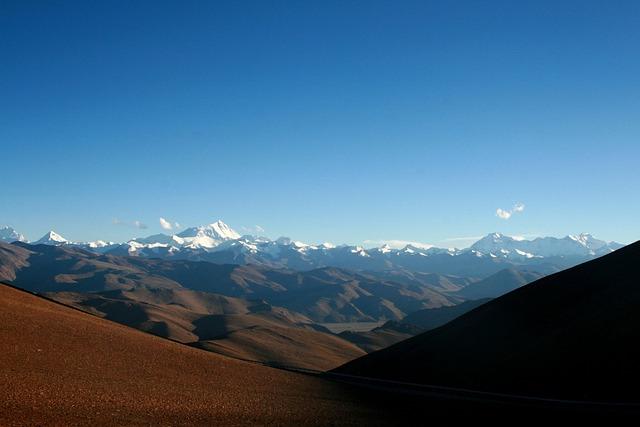
A record-breaking 274 climbers successfully reached the summit of Mount Everest via the Nepalese route in a single day, marking an unprecedented achievement in high-altitude mountaineering. This remarkable feat highlights both the growing popularity of Everest expeditions and the logistical challenges faced by climbers and authorities alike on the world’s tallest peak. The surge in summit attempts has sparked renewed discussions about safety, environmental impact, and regulation in the Himalayan mountaineering community.
Record Number of Climbers Reach Everest Summit Through Nepal Route
In a historic feat, climbers set a new record by summiting Mount Everest via the Nepal route, with an unprecedented 274 individuals reaching the peak within a single day. This surge highlights both the growing popularity of the expedition and the increasingly sophisticated logistics employed by climbing teams. Authorities attributed this milestone to improved weather forecasting, enhanced permit management, and coordinated efforts by Sherpa guides, allowing more climbers to safely navigate the perilous ascent.
Key factors contributing to the record climb include:
- Extended climbing windows due to favorable weather conditions
- Advanced acclimatization protocols employed by expedition groups
- Increased allocation of climbing permits by Nepal’s tourism department
- Robust support infrastructure, including fixed ropes and base camp medical facilities
| Aspect | 2023 Season | Previous Record |
|---|---|---|
| Climbers Reached Summit (One Day) | 274 | 212 |
| Permits Issued | 416 | 381 |
| Average Weather Window (Days) | 10 | 7 |
| Number of Sherpa Guides | 450 | 410 |
Challenges and Risks Faced During the Record-Breaking Ascent
Scaling Everest even once demands physical endurance and mental resilience, but confronting the challenges of a record-breaking summit influx amplifies these pressures exponentially. The unprecedented crowding on narrow, icy ridges increased the risk of accidents and delays, which can prove fatal in sub-zero temperatures. Climbers faced intensified queue times at critical bottlenecks, such as the Hillary Step, resulting in extended exposure to harsh elements and depleted oxygen supplies. Additionally, unpredictable weather patterns compounded the dangers, forcing expeditions to make split-second decisions amid dwindling daylight hours. The strain on Sherpa guides and rescue teams also escalated, stretching resources thin and highlighting the hazards tied to mass ascents in the Himalayas.
Key factors that heightened risks during the ascent included:
- Traffic congestion: Over 200 climbers attempting the summit within 24 hours.
- Oxygen shortages: Prolonged waits leading to critical depletion of bottled oxygen.
- Weather volatility: Sudden storms and high winds disrupting timing and safety.
- Altitude-related illnesses: Increased cases of acute mountain sickness due to extended exposure.
| Risk Factor | Impact | Mitigation Efforts |
|---|---|---|
| Crowding | Delayed summit times, increased falls | Staggered ascent schedules |
| Oxygen Depletion | Hypoxia, fatigue | Additional oxygen tanks, sharing protocols |
| Weather | Exposure, frostbite | Real-time monitoring, rapid descent plans |
| Health Issues | AMS, dehydration | Medical teams on standby, acclimatization protocols |
Recommendations for Managing Everest Traffic and Ensuring Climber Safety
Mitigating the congestion on Everest’s slopes is critical to preserving climbers’ safety and the mountain’s fragile environment. Authorities and expedition organizers must collaborate to enforce stricter permit regulations, limiting the number of daily summit attempts. Introducing staggered summit schedules and mandatory climber briefings could reduce bottlenecks at critical points like the Hillary Step and South Col. Additionally, employing advanced communication technologies to monitor climber locations in real-time will help coordinate ascending teams more efficiently and respond promptly to emergencies.
Furthermore, emphasizing climber preparedness through rigorous training and acclimatization guidelines must be prioritized. Expedition teams should be encouraged to hire experienced guides and Sherpas, ensuring proper support throughout the ascent. To enhance transparency and accountability, implementing a permit fee structure that incentivizes responsible climbing, coupled with detailed record-keeping, will enable better management of seasonal traffic flow and improve overall safety standards.
- Limit daily summit permits to reduce overcrowding
- Establish staggered departure windows
- Mandatory pre-climb safety workshops
- Utilize GPS and communication tools for traffic monitoring
- Focus on climber acclimatization and fitness programs
| Recommendation | Expected Benefit |
|---|---|
| Permit Cap Enforcement | Reduced Climbing Crowds |
| Summit Schedule Staggering | Smoother Traffic Flow |
| Pre-Climb Workshops | Improved Climber Preparedness |
| Real-Time Monitoring | Faster Emergency Response |
| Acclimatization Guidelines | Lower Altitude Sickness Cases |
To Wrap It Up
The unprecedented achievement of 274 climbers reaching Everest’s summit via the Nepal route in a single day underscores both the growing popularity and increasing challenges of high-altitude mountaineering. While this record highlights advancements in logistics and acclimatization strategies, it also raises questions about environmental impact and climber safety on the world’s highest peak. As Everest continues to draw adventurers from around the globe, the balance between human ambition and sustainable practices remains a critical focus for Nepalese authorities and the international climbing community.