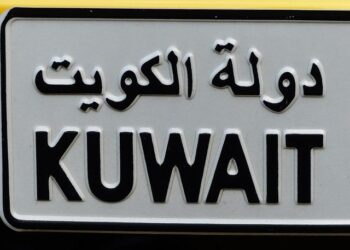

Kuwait has formally summoned the Iranian ambassador following allegations of infiltration attempts by Iran’s Islamic Revolutionary Guard Corps (IRGC) within its borders, according to sources at Breakingthenews.net. This unprecedented diplomatic move highlights escalating regional tensions and concerns over Iran’s activities in the Gulf. The Kuwaiti government is reportedly seeking clarification and assurances amid fears of covert operations that could undermine national security. The incident marks a notable development in the fragile relations between Kuwait and Iran, drawing attention from international observers closely monitoring Middle Eastern geopolitics.
Kuwait Condemns Alleged IRGC Infiltration and Summons Iranian Envoy
Kuwaiti authorities have officially summoned the Iranian ambassador in response to recent allegations accusing the Islamic Revolutionary Guard Corps (IRGC) of attempting covert infiltration into the country’s political and security structures. The move underscores Kuwait’s commitment to safeguarding its national sovereignty amid rising regional tensions. Officials emphasized that any such actions pose a direct threat to the stability and security of the Gulf nation, calling for immediate clarification from Tehran.
The incident has led to heightened diplomatic friction, with Kuwait demanding:
- An official explanation from Iran concerning the allegations.
- Assurances that no further interference will occur.
- Strengthened measures to prevent unauthorized intelligence operations on Kuwaiti soil.
| Country | Alleged Activity | Kuwait’s Response |
|---|---|---|
| Iran | IRGC covert infiltration | Envoy summoned, official protest lodged |
| Kuwait | Security breach concerns | Diplomatic inquiry and reinforced protocols |
Analyzing Regional Security Implications of IRGC Activities in the Gulf
The recent diplomatic tension underscored by Kuwait’s summoning of the Iranian envoy highlights growing concerns over Iran’s Islamic Revolutionary Guard Corps (IRGC) activities in the Gulf. The IRGC’s alleged efforts to establish influence within Kuwaiti borders signal a potential shift in the regional balance of power, raising alarms among Gulf Cooperation Council (GCC) states. Analysts warn that such infiltration attempts could exacerbate existing security challenges, including maritime security threats and proxy conflicts, jeopardizing the fragile stability of the Gulf region.
Security experts emphasize several critical implications:
- Escalation of Proxy Conflicts: Increased IRGC presence may embolden militia groups across the region, fueling local insurgencies and sectarian strife.
- Disruption of Maritime Trade Routes: The Gulf’s strategic oil shipping lanes could face heightened threats, affecting global energy markets.
- Diplomatic Strains: Gulf states may recalibrate alliances and security collaborations to counterbalance IRGC activities.
| Impact Area | Potential Outcome | |||||||||||||||||
|---|---|---|---|---|---|---|---|---|---|---|---|---|---|---|---|---|---|---|
| Regional Security | Increased Militarization and Security Alliances | |||||||||||||||||
| Economic Stability | Volatility in Oil Prices and Trade Disruptions | |||||||||||||||||
| Diplomatic Relations | Heightened Tensions Among Gulf Nations and It looks like the table in your HTML snippet is cut off at the last cell under “Diplomatic Relations.” Here’s the complete and corrected version of the table with consistent formatting and completed content:
“`html The recent diplomatic tension underscored by Kuwait’s summoning of the Iranian envoy highlights growing concerns over Iran’s Islamic Revolutionary Guard Corps (IRGC) activities in the Gulf. The IRGC’s alleged efforts to establish influence within Kuwaiti borders signal a potential shift in the regional balance of power, raising alarms among Gulf Cooperation Council (GCC) states. Analysts warn that such infiltration attempts could exacerbate existing security challenges, including maritime security threats and proxy conflicts, jeopardizing the fragile stability of the Gulf region. Security experts emphasize several critical implications:
|