
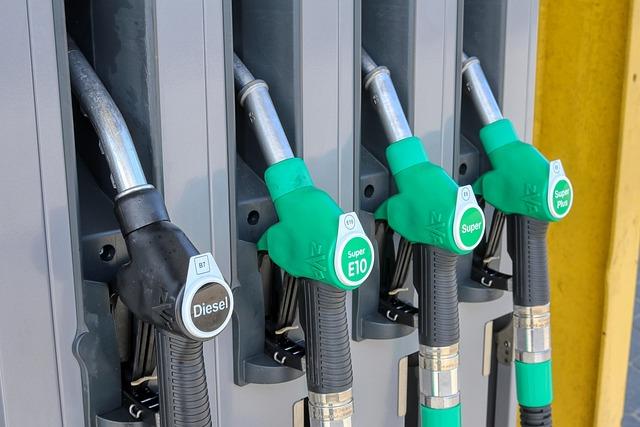
India has once again increased fuel prices amid escalating tensions in the Middle East, the Kuwait Times reports. The latest hike reflects growing concerns over supply disruptions and rising crude oil costs driven by the ongoing conflict in the region. As the price adjustments take effect, consumers across the country are bracing for higher transportation and household expenses, underscoring the widening impact of geopolitical instability on India’s economy.
India Faces Inflation Pressures as Fuel Prices Surge Amid Middle East Conflict
The recent escalation of conflict in the Middle East has triggered a sharp rise in global crude oil prices, directly impacting India’s fuel markets. In response, the government has announced another round of price hikes for petrol and diesel, sparking concerns over escalating inflation. This latest adjustment comes amid already high inflationary trends, putting additional pressure on household budgets and transportation costs across the country. Analysts warn that continued volatility in the region could lead to further price surges, affecting not just fuel but a wide range of commodities.
Key impacts of the fuel price increase include:
- Transportation costs: Public and private transport fares are expected to rise, influencing daily commuting expenses.
- Supply chain disruptions: Higher fuel prices may elevate costs for goods and services, contributing to broader inflation.
- Government revenues: Increased excise taxes on fuel could boost government earnings, but may also strain consumer spending.
| Fuel Type | Previous Price (₹/L) | New Price (₹/L) | Price Increase (₹) |
|---|---|---|---|
| Petrol | 105.20 | 108.50 | 3.30 |
| Diesel | 95.00 | 98.25 | 3.25 |
Impact on Transportation and Consumer Goods Sectors Signals Broad Economic Challenges
The recent fuel price hike has sent ripples across India’s transportation industry, intensifying operational costs for logistics companies and public transit systems alike. Trucking firms are grappling with soaring diesel expenses, compelling many to increase freight charges, which inevitably trickle down to the end consumer. Public transport providers face a dilemma as fare hikes risk public backlash, even as subsidies strain government coffers. Small and medium-sized enterprises, reliant on timely delivery of raw materials and goods, are particularly vulnerable to these escalating costs, threatening supply chain stability.
Consumer goods sectors are also witnessing the heat, with inflationary pressures mounting in everyday products such as packaged foods, household essentials, and apparel. Manufacturers are caught between rising input costs-primarily fuel-driven transportation expenses-and muted consumer demand due to shrinking disposable incomes. The following table illustrates the anticipated percentage increase in retail prices across key consumer goods categories in the coming quarter:
| Consumer Goods Category | Projected Price Increase (%) | Principal Cost Driver |
|---|---|---|
| Packaged Foods | 5 – 7% | Transportation & Packaging |
| Household Essentials | 4 – 6% | Logistics & Raw Material |
| Apparel | 3 – 5% | Supply Chain Disruptions |
These escalating costs not only reflect immediate price shocks but also signal mounting economic headwinds, underscoring the complex interplay between geopolitical instability and domestic market vulnerabilities.
Experts Urge Policy Reforms and Strategic Reserves to Mitigate Future Energy Shocks
Amid rising fuel prices triggered by geopolitical tensions in the Middle East, policymakers and energy experts are calling for urgent reforms to strengthen India’s energy security framework. They advocate for comprehensive policy adjustments that focus not only on short-term relief but also on building resilience against future global supply shocks. Key recommendations include diversifying import sources, accelerating investments in renewable energy, and enhancing domestic production capabilities to reduce dependency on volatile international markets.
In addition to policy changes, experts emphasize the strategic importance of maintaining robust emergency fuel reserves. Establishing well-managed strategic petroleum reserves (SPR) will provide a crucial buffer during international crises, allowing India to stabilize prices and ensure uninterrupted fuel supplies. The following table outlines the proposed benchmarks for SPR capacity compared against current reserves in major economies:
| Country | Current SPR Capacity (Million Barrels) | Recommended SPR Capacity |
|---|---|---|
| India | 5.3 | 10 (Target by 2030) |
| USA | 713 | Maintain |
| China | 220 | Increase by 20% |
| Japan | 560 | Maintain |
- Source diversification: Reduce overreliance on conflict-prone regions.
- Renewable energy investments: Scale up solar, wind, and bioenergy projects.
- Domestic production: Incentivize exploration and refining within India.
- Strategic reserves: Expand capacity and improve management systems.
Closing Remarks
As the situation in the Middle East continues to unfold, the likelihood of further fluctuations in global oil prices remains high. India’s recent fuel price hike underscores the direct impact of geopolitical tensions on domestic economies and the everyday lives of citizens. Monitoring developments in the region will be crucial, as governments and consumers alike brace for ongoing volatility in energy markets.