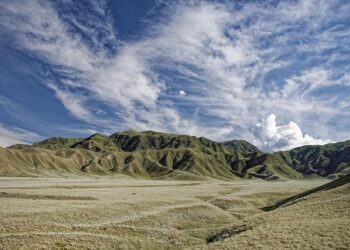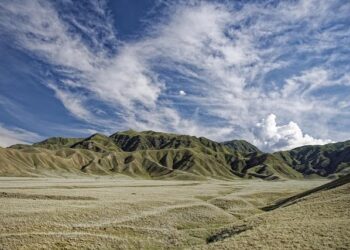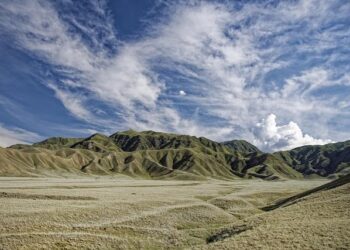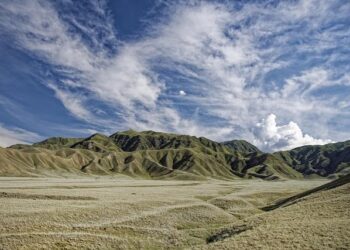
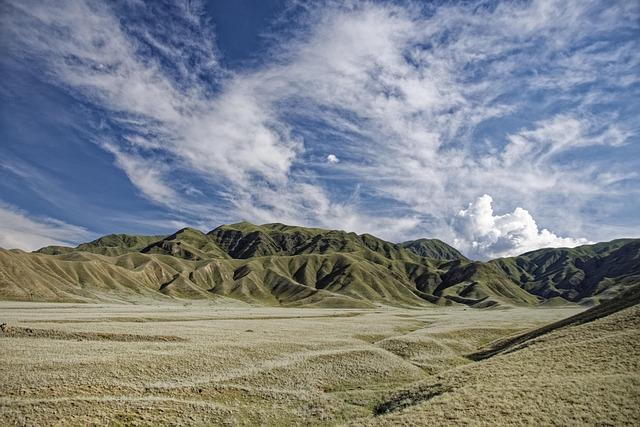
Kyrgyzstan is taking significant strides to bolster its climate resilience by focusing on the restoration of its forests and pastures, according to a recent report by the Food and Agriculture Organization (FAO). Facing increasing threats from climate change, including land degradation and extreme weather events, the Central Asian nation is implementing sustainable land management practices aimed at preserving biodiversity, improving livelihoods, and securing natural resources for future generations. This concerted effort highlights Kyrgyzstan’s commitment to environmental stewardship and sustainable development in a region vulnerable to climate impacts.
Kyrgyzstan Boosts Climate Resilience with Forest Regeneration Initiatives
Kyrgyzstan is actively implementing forest and pasture restoration projects aimed at enhancing its ability to adapt to climate change. These efforts, supported by the Food and Agriculture Organization, focus on regenerating degraded landscapes that help stabilize local ecosystems and improve water retention. By planting native tree species and rehabilitating pasturelands, communities benefit from increased biodiversity while reducing the risk of soil erosion and desertification. The initiative also empowers local populations by promoting sustainable land management practices and creating green job opportunities.
Key elements driving the success of these initiatives include:
- Community-led afforestation and reforestation campaigns
- Improved pasture management techniques to prevent overgrazing
- Integration of traditional ecological knowledge with modern climate adaptation strategies
- Monitoring and evaluation systems to track ecosystem health
| Restoration Metric | 2022 Achievement | Target for 2025 |
|---|---|---|
| Hectares Reforested | 1,200 ha | 3,500 ha |
| Pasture Lands Restored | 950 ha | 2,500 ha |
| Local Participants Trained | 300 | 1,000 |
Restoration of Pastures Strengthens Food Security and Livelihoods in Rural Communities
Rural communities in Kyrgyzstan are witnessing a transformation as degraded pastures are being revitalized, ensuring both environmental sustainability and enhanced food security. By adopting holistic restoration practices, local farmers are now able to increase the availability of nutritious fodder, which directly supports livestock health and productivity. This not only stabilizes household incomes but also reduces reliance on imported animal feed, fostering greater self-sufficiency amidst climate uncertainties. Collaborative efforts involving community members, government agencies, and international partners have been crucial in introducing sustainable grazing management and soil conservation techniques that safeguard pasturelands from further erosion and degradation.
Key outcomes of the restoration initiatives include:
- Improved pasture biomass by up to 40%, leading to increased livestock carrying capacity
- Enhanced water retention in soils, supporting drought resilience
- Generation of alternative income sources such as beekeeping and medicinal plant gathering
- Strengthened community governance structures to oversee pasture use and preservation
| Restoration Impact | Before Intervention | After Intervention |
|---|---|---|
| Pasture Coverage | 55% | 82% |
| Livestock Health Index | 60/100 | 85/100 |
| Average Household Income ($) | 450 | 680 |
| Community Participation Rate | 40% | 75% |
Experts Urge Integrated Approaches to Sustain Long-Term Environmental and Economic Benefits
Specialists stress that addressing climate challenges in Kyrgyzstan requires a holistic strategy intertwining forest and pasture restoration with socioeconomic development. By fostering collaboration among local communities, government agencies, and international partners, the country aims to create resilient ecosystems that simultaneously boost livelihoods. Such integrative methods not only curb land degradation but also promote sustainable agriculture and biodiversity, unlocking economic opportunities rooted in ecological stability.
Key elements of this integrated approach include:
- Community-led reforestation and sustainable grazing management
- Capacity building for adaptive agricultural practices
- Policy support aligning environmental protection with economic goals
- Monitoring systems to track ecosystem and socioeconomic impacts
| Indicator | 2018 Baseline | 2023 Progress | 2030 Target |
|---|---|---|---|
| Forest Cover (%) | 12.5 | 14.8 | 18.0 |
| Pasture Productivity (kg/ha) | 1,100 | 1,350 | 1,600 |
| Household Income from Sustainable Practices (KGS) | 35,000 | 48,000 | 65,000 |
To Wrap It Up
As Kyrgyzstan continues to prioritize forest and pasture restoration, these efforts not only bolster the country’s climate resilience but also set a precedent for sustainable land management in Central Asia. Supported by the Food and Agriculture Organization, such initiatives demonstrate the critical role of ecosystem restoration in combating climate change and securing livelihoods. Moving forward, Kyrgyzstan’s commitment serves as a model for integrating environmental conservation with community well-being, underscoring the importance of collective action in the face of global climate challenges.