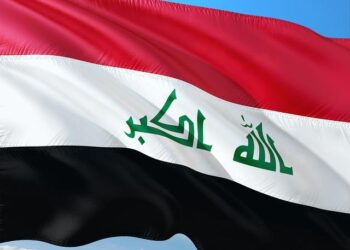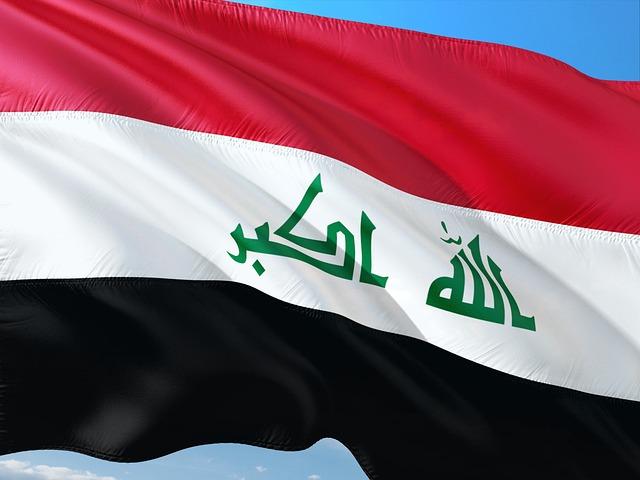
Iraq’s power sector is confronting significant challenges as a sharp decline in natural gas supplies from neighboring Iran threatens to exacerbate the country’s chronic electricity shortages. According to recent reports from Shafaq News, Iran’s gas output has fallen by one-third, disrupting the steady flow of fuel critical to Iraq’s power generation. This development risks deepening the energy crisis in Iraq, where demand continues to outpace supply amid growing economic and social pressures.
Iraq Power Sector Vulnerable as Iran Gas Supply Drops Sharply
Iraq’s electricity generation is facing increasing strain as the supply of natural gas from Iran has plummeted by approximately one-third. This sharp decline threatens to disrupt power distribution, particularly during peak demand periods when millions rely on steady electricity. Power plants heavily dependent on Iranian gas are scrambling to find alternative fuel sources, leading to growing concerns over blackouts and reduced operational efficiency in key urban centers. Energy officials have described the situation as precarious, emphasizing the urgency for rapid intervention and diversification of fuel imports.
Compounding the challenge, the national grid’s limited infrastructure and aging power plants leave little room for maneuver. The immediate effects include:
- Reduced electricity output by up to 25%
- Heightened pressure on costly diesel generators
- Increased load shedding affecting residential and industrial consumers
Authorities are exploring emergency measures, including ramping up domestic gas production and negotiating with alternative suppliers. Below is a snapshot of key power sector metrics impacted by the gas shortage:
| Metric | January 2024 | March 2024 (Post-Reduction) | Change |
|---|---|---|---|
| Gas Supply (MMCFD) | 900 | 600 | -33% |
| Electricity Generation (MW) | 15,000 | 11,250 | -25% |
| Load Shedding (% of demand) | 5% | 15% | +10pp |
Consequences of Iran’s Reduced Gas Output on Iraq’s Energy Stability
Iraq’s energy infrastructure is facing increasing pressure as a result of the significant reduction in gas imports from Iran, which has curtailed its output by approximately one-third. This shortfall exacerbates the already fragile power generation landscape in Iraq, where gas supplies are critical for fueling thermal power plants. The immediate implications include frequent power outages and reduced electricity generation capacity, especially during peak demand times. Local utilities are grappling with the challenge of balancing supply and demand, which risks undermining social stability and economic productivity across the country.
The ripple effects of Iran’s decreased gas exports extend beyond mere supply issues, impacting operational costs and maintenance schedules within Iraq’s power sector. Without alternative sources or adequate storage, the following challenges have emerged:
- Increased reliance on costly fuel oil alternatives, leading to higher generation expenses.
- Delays in infrastructure projects aimed at expanding domestic gas production capacity.
- Heightened risk of load shedding, particularly in vulnerable provinces.
| Impact Area | Effect on Iraq’s Energy Sector |
|---|---|
| Gas Supply | Reduction by ~33%, squeezing power plant inputs |
| Electricity Output | Loss of up to 1,500 MW during high-demand periods |
| Energy Costs | Increase by up to 20% due to alternative fuels |
Strategic Recommendations to Mitigate Iraq’s Power Shortfall Risks
To address the acute power deficits triggered by the significant drop in Iranian gas supplies, Iraq must accelerate diversification of its energy mix. Investing in renewable energy sources such as solar and wind is critical, with the added benefit of reducing long-term dependency on imported fuels. Enhancing infrastructure to support these alternatives, alongside modernizing existing power plants to improve efficiency, would provide a more resilient and sustainable energy framework. Additionally, fostering public-private partnerships can mobilize the necessary funding and technology transfer to fast-track these initiatives.
Equally important is strengthening regional cooperation to stabilize gas imports by exploring new contracts with alternative suppliers and negotiating more reliable cross-border energy agreements. The government should also prioritize expanding domestic gas production capabilities through incentives for exploration and production companies. Implementing stringent demand-side management policies-including grid modernization and reducing technical losses-will optimize consumption patterns. The table below outlines key strategic levers and their expected impact on Iraq’s power security:
| Strategic Lever | Short-term Impact | Long-term Benefit |
|---|---|---|
| Renewable Energy Expansion | Reduce peak load pressure | Energy independence & sustainability |
| Regional Supply Diversification | Immediate fuel availability | Stable, diversified supply chain |
| Domestic Gas Production | Lower import reliance | Enhanced self-sufficiency |
| Demand-side Management | Reduced wastage | Optimized grid efficiency |
The Way Forward
As Iran’s gas production experiences a significant decline, dropping by one-third, Iraq’s power sector confronts mounting challenges amid an already fragile energy landscape. The reduction in Iranian gas supplies threatens to exacerbate electricity shortages and disrupt vital services across the country. Stakeholders and policymakers will need to explore alternative energy sources and accelerate infrastructure improvements to mitigate the risks and ensure a stable power supply for Iraq’s growing population. The unfolding situation underscores the broader regional interdependencies and the urgent need for strategic energy planning.