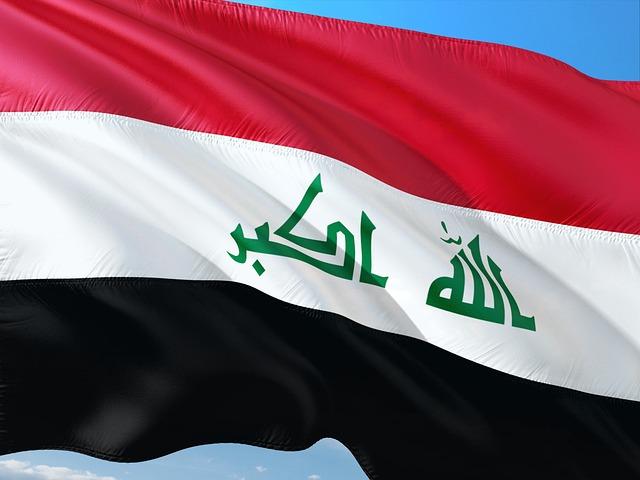
Iraq finds itself increasingly entangled in the escalating tensions between the United States and Iran, as the two regional powers confront each other through proxy conflicts on Iraqi soil. Once a battleground for direct military engagement, Iraq is now navigating a complex and volatile landscape where political instability, armed militias, and foreign influence collide. This article examines how Iraq’s sovereignty and security are being compromised amid the deepening U.S.-Iran rivalry, shedding light on the broader implications for regional stability and international diplomacy.
Iraq Faces Rising Security Challenges Amid Escalation Between US and Iran
Iraq’s fragile security landscape is increasingly strained as tensions between the United States and Iran intensify, pushing Baghdad into a precarious position between two powerful adversaries. The surge in cross-border attacks, coupled with retaliatory airstrikes, has escalated violence across several provinces, undermining efforts to stabilize the country after years of conflict. Iraqi security forces face the dual challenge of defending sovereignty while avoiding being drawn deeper into a proxy conflict that threatens civilian safety and political cohesion.
Key security implications include:
- Increased militia activity: Iranian-backed groups are expanding operations, complicating national security responses.
- Heightened US military presence: Reinforcements and drone surveillance missions have been stepped up to counter Iranian influence.
- Instability in border regions: Areas along the Iraqi-Iranian frontier have become hotspots for clashes and illicit smuggling.
| Impact | Details |
|---|---|
| Political Pressure | Government faces criticism from all sides for handling crisis |
| Civilian Casualties | Rising numbers due to crossfire and indirect attacks |
| Economic Disruption | Trade routes and oil exports affected by insecurity |
The Geopolitical Implications of Iraq’s Position in the US-Iran Conflict
Strategically sandwiched between two regional powers locked in escalating tensions, Iraq has transformed into a critical theater for geopolitical maneuvering. Its complex sectarian landscape and porous borders make it both a battleground and a bargaining chip in the wider U.S.-Iran confrontation. For Baghdad, navigating this precarious position involves balancing alliances while managing internal dissent fueled by foreign influence. The convergence of American military presence and Iranian-backed militias amplifies risks of inadvertent clashes, threatening Iraq’s fragile sovereignty and destabilizing its political fabric.
Key geopolitical factors shaping Iraq’s role include:
- Its position as a corridor for Iranian influence into the Levant and Gulf.
- The presence of U.S. forces ostensibly aimed at counterterrorism but perceived by Tehran as encirclement.
- The dual pressure on Iraqi leadership from pro-Iranian factions and nationalist groups demanding sovereignty.
| Stakeholder | Primary Interest | Geopolitical Challenge |
|---|---|---|
| United States | Contain Iranian regional power | Balancing military intervention without full occupation |
| Iran | Maintain influence via militias and political allies | Avoid provocation leading to open conflict |
| Iraq | Preserve stability and sovereignty | Managing internal factions with external backers |
Strategic Recommendations for Stabilizing Iraq and Mitigating Regional Tensions
To effectively address the persistent instability in Iraq and ease the heightened tensions between the U.S. and Iran, a multi-faceted approach is essential. Prioritizing national sovereignty through inclusive dialogue among Iraq’s diverse ethnic and political factions can pave the way for internal cohesion. Additionally, recalibrating foreign policy to balance relations with both Washington and Tehran without compromising Iraq’s autonomy remains critical. Key measures include:
- Establishment of a neutral mediation platform facilitated by regional actors like the Arab League and the Gulf Cooperation Council.
- Strengthening Iraq’s security apparatus with an emphasis on building a unified national army free from external loyalties.
- Implementing transparent mechanisms to monitor and restrict foreign military presence and proxy activities on Iraqi soil.
Regional stabilization further demands coordinated economic and infrastructural initiatives aimed at diminishing Iraq’s reliance on external powers. Investment in energy diversification and cross-border trade can serve as incentives for cooperative relations rather than conflict. The table below outlines targeted actions along with their potential impact on regional dynamics:
| Action | Description | Regional Impact |
|---|---|---|
| Economic Integration | Boost cross-border trade with neighbors | Reduces dependency, fosters cooperation |
| Security Reforms | Strengthen national defense forces | Limits militias, enhances stability |
| Action | Description | Regional Impact |
| Economic Integration | Boost cross-border trade with neighbors | Reduces dependency, fosters cooperation |
| Security Reforms | Strengthen national defense forces | Limits militias, enhances stability |
| Neutral Mediation Platform | Engage Arab League and GCC in dialogue facilitation | De-escalates tensions, promotes inclusive dialogue |
| Foreign Military Oversight | Implement transparent monitoring of foreign forces and proxies | Reduces external influence, strengthens sovereignty |
If you want me to help further with styling, expanding the table, or integrating this into your webpage content, just let me know!
The Way Forward
As Iraq remains entangled in the escalating tensions between the United States and Iran, the country faces mounting political instability and security challenges that threaten its fragile sovereignty. The Soufan Center’s analysis underscores the complexities of Iraq’s position-a battleground where regional rivalries and global power struggles intersect, often at the expense of Iraqi stability and civilian safety. Moving forward, the international community’s approach to de-escalation and support for Iraq’s sovereignty will be critical in preventing further deterioration and fostering long-term peace in the region.