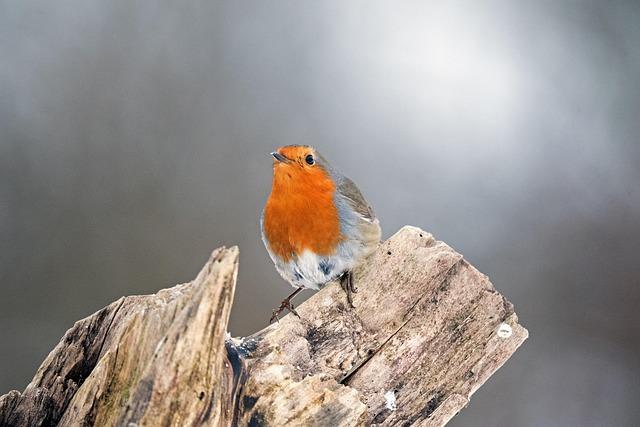
Birdlife is making a remarkable comeback in the Kouklia wetlands, signaling a positive milestone in Cyprus’s ongoing environmental restoration efforts. Once degraded by human activity, this vital ecosystem has been successfully revived, attracting a diverse array of bird species and reaffirming the island’s commitment to preserving its natural heritage. As Cyprus celebrates this significant nature comeback, the Kouklia wetlands stand as a testament to effective conservation and sustainable management practices.
Birdlife Flourishes in Kouklia Wetlands Following Restoration Efforts
After years of dedicated environmental restoration, the Kouklia wetlands are witnessing a remarkable resurgence in avian biodiversity. The rejuvenated habitats, featuring revitalized water channels and native vegetation, have attracted a wide array of bird species, turning the area into a flourishing sanctuary. Observers report sightings of both resident and migratory birds, including several rare species that had been absent for decades. Conservationists attribute this positive trend to sustained efforts involving habitat rehabilitation, pollution control, and community engagement.
Key species returning to Kouklia Wetlands include:
- Little Egret (Egretta garzetta)
- Purple Heron (Ardea purpurea)
- Marsh Harrier (Circus aeruginosus)
- Common Kingfisher (Alcedo atthis)
| Species | Population Increase (%) | Last Recorded |
|---|---|---|
| Little Egret | +45% | 2023 |
| Purple Heron | +30% | 2023 |
| Marsh Harrier | +25% | 2022 |
| Common Kingfisher | +40% | 2023 |
Ecological Impact of Wetland Revival on Cyprus Biodiversity
The resurgence of the Kouklia wetlands has marked a significant milestone in Cyprus’s environmental conservation efforts, showcasing a remarkable turnaround in the island’s ecosystem health. Once degraded by extensive agricultural drainage and urban encroachment, this rejuvenated habitat now supports a thriving community of bird species, many of which had all but vanished from the area. Notably, migratory birds such as the Greater Flamingo and Squacco Heron have been observed returning in substantial numbers, indicating improved water quality and vegetation restoration. This revival not only enhances local biodiversity but also strengthens ecosystem services such as water purification and flood regulation.
The ecological benefits of the wetland recovery extend beyond avian diversity, impacting amphibians, insects, and plant communities vital to the wetland’s food web. Conservationists attribute this success to targeted reforestation, sustainable water management, and community engagement programs. The following table summarizes the key biodiversity indicators pre- and post-revival at Kouklia wetlands:
| Indicator | Before Revival | After Revival |
|---|---|---|
| Bird Species Diversity | 15 | 42 |
| Endangered Species Sightings | 2 | 9 |
| Native Plant Coverage (%) | 30% | 75% |
| Water Quality Index | Moderate (55) | Good (85) |
- Improved habitat connectivity facilitating species migration
- Enhanced breeding grounds for waterfowl and amphibians
- Increased carbon sequestration through restored vegetation layers
Recommendations for Sustained Conservation and Community Engagement
To ensure the long-term success of the Kouklia wetlands restoration, it is crucial to implement a multi-faceted approach that prioritizes ecological integrity while actively involving local communities. Continuous monitoring programs should be established to track bird population trends and habitat quality, employing cutting-edge technology such as drone surveillance and acoustic sensors. Equally important is fostering partnerships between conservation authorities, environmental NGOs, and educational institutions, allowing for shared expertise and resources that can amplify conservation outcomes.
Engagement with the local population remains a cornerstone for sustaining the wetlands’ revival. Initiatives such as community workshops, citizen science projects, and eco-tourism development can cultivate a sense of ownership and pride among residents. Offering hands-on experiences, like guided birdwatching tours and habitat restoration days, invites people to participate directly in conservation efforts. Below is a streamlined approach to community engagement activities that can be scaled or adapted to other biodiversity projects:
| Activity | Target Group | Expected Outcome |
|---|---|---|
| Birdwatching Workshops | Tourists & Locals | Increased awareness & responsible visitation |
| Citizen Science Monitoring | School Students | Educational engagement & real-time data collection |
| Eco-Tourism Partnerships | Local Businesses | Economic incentives aligned with conservation |
| Restoration Volunteer Days | Community Volunteers | Enhanced habitat quality & community bonding |
Concluding Remarks
The successful revival of the Kouklia wetlands marks a significant milestone in Cyprus’s ongoing efforts to restore its natural habitats and protect biodiversity. As birdlife returns to this once-degraded area, conservationists and local communities alike celebrate a hopeful example of environmental recovery. The Kouklia wetlands stand as a testament to the positive impact of targeted restoration projects, underscoring the importance of continued commitment to preserving the island’s rich natural heritage.