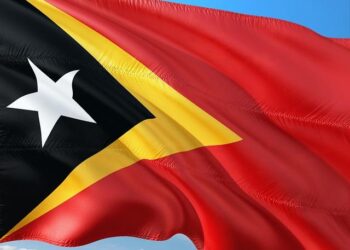
DILI, East Timor – In a nation shaped by decades of conflict and hardship, the Catholic faith has emerged as a powerful force for reconciliation and healing. East Timor, the world’s youngest predominantly Catholic country, has turned to its religious traditions to foster forgiveness and unity following years of occupation and civil strife. This article explores how the Catholic Church’s teachings and community efforts have played a pivotal role in helping East Timorese overcome deep-seated divisions and build a foundation of peace.
The Role of Catholic Teachings in Fostering National Reconciliation
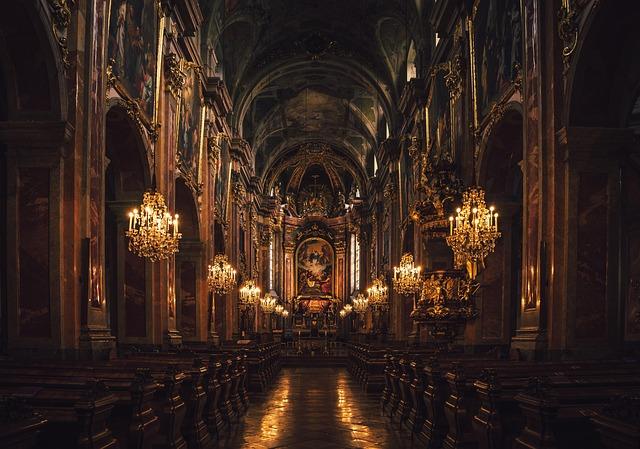
In the aftermath of conflict, East Timor’s path toward healing has been deeply influenced by Catholic teachings that emphasize forgiveness, compassion, and communal unity. The Church, with its longstanding presence in the region, became a beacon of hope, encouraging both victims and perpetrators to engage in a process of reconciliation guided by the principles of mercy. Catholic leaders advocated for restorative justice rather than retributive measures, fostering an environment where dialogue could replace division. This spiritual framework was essential in cultivating national harmony, urging citizens to see beyond personal grievances and to embrace a collective future.
Several key elements of Catholic doctrine have been instrumental in this transformative journey, including:
- Confession and Repentance: Encouraging acknowledgment of wrongdoings as a first step toward healing.
- Community Support: Emphasizing the role of parish communities in offering solidarity and assistance.
- Peacebuilding Rituals: Utilizing Mass and prayer services to symbolize renewal and reconciliation.
| Catholic Teaching | Impact on Reconciliation |
|---|---|
| Forgiveness | Facilitated emotional healing and broke cycles of retaliation. |
| Communal Prayer | Unified diverse groups under shared spiritual values. |
| Moral Accountability | Encouraged personal responsibility in rebuilding social trust. |
The accompanying table summarizes specific Catholic teachings and their reconciliation impacts:
| Catholic Teaching | Impact on Reconciliation |
|---|---|
| Forgiveness | Facilitated emotional healing and broke cycles of retaliation. |
| Communal Prayer | Unified diverse groups under shared spiritual values. |
| Moral Accountability | Encouraged personal responsibility in rebuilding social trust. |
Overall, Catholic doctrine provided both ethical guidance and practical frameworks essential for East Timor’s healing and peaceful rebuilding after conflict.
How Church-Led Initiatives Promote Healing and Forgiveness in East Timor
In the wake of decades marked by conflict and hardship, the Catholic Church in East Timor has emerged as a pivotal force in fostering community healing and reconciliation. Through its unwavering commitment to Christian values, church-led initiatives have encouraged victims and perpetrators alike to embrace forgiveness as a path forward. Parish gatherings, faith-based counseling, and open dialogue forums have created safe spaces for storytelling and emotional release, helping to rebuild trust among fractured communities. These efforts are deeply rooted in Catholic teachings that emphasize compassion, redemption, and the power of mercy as essential components for personal and societal recovery.
The Church’s influence is further reflected in structured programs that combine spiritual guidance with practical support. For instance:
- Peace-building workshops aimed at youth encourage understanding and mutual respect across ethnic lines.
- Healing retreats offer victims of violence opportunities for prayer and reflection.
- Community service initiatives help mend divisions by promoting collaboration on shared projects.
These multifaceted approaches contribute to East Timor’s ongoing journey toward reconciliation – a process documented in recent studies highlighting the Church’s unique role as both a moral compass and a facilitator of social cohesion.
| Program Type | Main Focus | Impact |
|---|---|---|
| Peace Workshops | Youth Education | Reduced ethnic tensions |
| Healing Retreats | Spiritual Recovery | Emotional catharsis for victims |
| Service Projects | Community Cooperation | Rebuilt social bonds |
Recommendations for Strengthening Faith-Based Peacebuilding Efforts in Post-Conflict Communities
Faith-based peacebuilding in East Timor has demonstrated that community healing requires more than just political agreements-it demands a deep, shared commitment to forgiveness inspired by religious teachings. To bolster these initiatives, it is vital to strengthen collaboration between local churches and civil society organizations, ensuring that reconciliation efforts resonate at the grassroots level. Additionally, investing in training programs for faith leaders can empower them to navigate complex post-conflict dynamics while upholding the principles of compassion and justice central to the Catholic tradition.
Equally important is promoting inclusive dialogue that respects diverse community experiences and acknowledges past traumas. Support mechanisms such as counseling and trauma healing workshops, integrated within parish activities, can help survivors rebuild trust and foster sustainable peace. Below is a summary of key strategies that can enhance faith-based peacebuilding efforts across post-conflict settings:
| Strategy | Focus Area | Expected Outcome |
|---|---|---|
| Interfaith & Community Partnerships | Collaboration and Networking | Broader Peace Impact |
| Trauma-Informed Faith Leadership | Capacity Building | Empowered Religious Leaders |
| Inclusive Reconciliation Dialogues | Community Engagement | Deepened Social Cohesion |
| Integrating Healing Services | Pastoral Care | Enhanced Emotional Recovery |
To Conclude
As East Timor continues to rebuild and reconcile after decades of conflict, the Catholic faith remains a unifying force in the nation’s journey toward forgiveness and healing. Rooted deeply in the country’s culture and identity, the Church’s emphasis on compassion, reconciliation, and hope has helped guide communities through pain and division. While challenges remain, East Timor’s experience underscores the powerful role that faith can play in fostering peace and restoring social harmony in the aftermath of conflict.