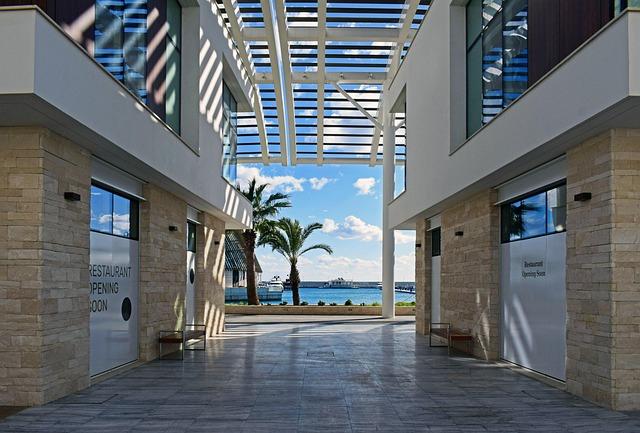
Cyprus’s Interior Minister has emphasized the need for the country to prioritize quality and intelligence in its construction sector rather than merely accelerating development. Speaking to the Cyprus Mail, the minister highlighted that sustainable growth and modern infrastructure require strategic planning and innovation, warning against the risks of hasty building practices. This stance comes amid ongoing debates about urban expansion and environmental preservation on the island.
Interior Minister Emphasizes Quality Over Speed in Cyprus Construction Projects
The Interior Minister has underscored the importance of prioritizing quality in the ongoing and upcoming construction projects across Cyprus. Emphasizing the long-term impact of building standards on the environment, public safety, and urban aesthetics, the Minister called for a shift away from merely accelerating construction timelines. Instead, government plans will focus on sustainable materials, innovative design, and stricter oversight to ensure infrastructures meet both current and future needs. This vision aims to foster developments that contribute positively to communities and maintain Cyprus’ cultural heritage.
Key priorities outlined include:
- Enhanced regulatory frameworks to guarantee compliance with international building codes.
- Investment in green technologies to reduce carbon footprints of new projects.
- Community engagement initiatives to incorporate local insights and concerns.
- Training and certification programs for builders and contractors to elevate craftsmanship and safety standards.
| Focus Area | Expected Outcome |
|---|---|
| Quality Control | Long-lasting structures |
| Sustainable Practices | Lower environmental impact |
| Regulatory Compliance | Improved public safety |
| Community Involvement | Projects aligned with local needs |
Call for Sustainable Urban Planning to Address Long-Term Housing Needs
Cyprus faces a critical juncture in addressing its expanding housing demands, with the Interior Minister emphasizing the urgency of adopting sustainable, intelligent urban planning strategies. Rather than focusing solely on rapid construction, the government aims to incorporate environmentally responsible designs that prioritize long-term community wellbeing. This approach intends to balance economic growth with preservation of natural landscapes and infrastructure resilience, ensuring that future developments are both livable and adaptable.
Key elements being promoted include:
- Integration of green spaces to improve urban biodiversity and residents’ quality of life
- Energy-efficient building standards to reduce carbon footprints and operational costs
- Enhanced public transportation links to decrease dependence on private vehicles and alleviate congestion
- Community-focused layouts that encourage social interaction and accessibility
| Urban Planning Aspect | Benefit |
|---|---|
| Smart Zoning | Optimizes land use and prevents urban sprawl |
| Renewable Energy Integration | Reduces reliance on fossil fuels |
| Water Management Systems | Ensures sustainable supply and reduces waste |
| Mixed-Use Developments | Creates vibrant, multifunctional neighbourhoods |
Recommendations Focus on Integrating Technology and Environmental Standards in Building Practices
In a strategic pivot, policymakers are emphasizing the critical role of advanced technology and stringent environmental criteria in the future of Cypriot construction. The move aims to ensure that new developments not only accelerate project timelines but also incorporate sustainable materials, smart energy systems, and eco-friendly design principles. Key initiatives include:
- Integration of IoT devices for real-time monitoring of energy consumption and building health.
- Adoption of green building certifications such as LEED and BREEAM to benchmark environmental performance.
- Implementation of renewable energy solutions, including solar panels and geothermal heating.
- Use of recycled and locally sourced materials to reduce carbon footprint.
To support these efforts, a framework has been proposed to evaluate construction projects based on technology adoption and environmental impact. The table below summarizes projected benefits across various metrics:
| Metric | Current Standard | Recommended Standard | Expected Improvement |
|---|---|---|---|
| Energy Efficiency | 50% | 85% | +35% |
| Water Usage | 120 L/person/day | 70 L/person/day | -42% |
| Material Waste | 15% | 5% | -66% |
| Construction Time | 12 months | 9 months | -25% |
Closing Remarks
As Cyprus faces increasing pressures from rapid urbanization and population growth, the Interior Minister’s call to prioritize smarter development over mere speed underscores the need for sustainable planning. Balancing growth with environmental concerns and quality of life will be crucial as the island charts its future. The coming months will reveal how policymakers translate these ambitions into concrete actions shaping Cyprus’s urban landscape.