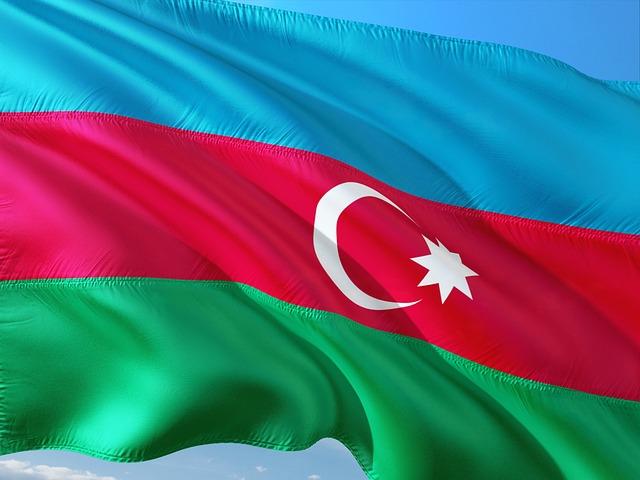
Baku has summoned the European Union’s envoy following mounting tensions over the treatment of ethnic Armenians in the Nagorno-Karabakh region. The diplomatic move underscores the escalating dispute between Azerbaijan and international actors concerned about the humanitarian situation amid ongoing political and security challenges in the aftermath of the recent conflict. This latest development highlights the fragile state of regional relations and the complexities surrounding the protection of minority populations in the South Caucasus.
Azerbaijan Summons EU Envoy Over Concerns on Humanitarian Treatment in Karabakh
Azerbaijan has officially summoned the European Union’s ambassador amid escalating tensions regarding the welfare of ethnic Armenians residing in the Karabakh region. Azerbaijani officials expressed serious concerns over what they claim to be misinformation and biased reporting on the humanitarian situation. The diplomatic move highlights the fragile post-conflict environment and ongoing disputes about the treatment of displaced populations and detainees following the 2020 Nagorno-Karabakh war.
The EU envoy was urged to engage in a constructive dialogue to ensure a fair assessment of conditions on the ground. Azerbaijani representatives emphasized the following key points during the meeting:
- Commitment to international humanitarian law and protection of civilians
- Disclosure of accurate information regarding access to basic services for Karabakh Armenians
- Encouragement of cooperation with relevant international organizations to monitor the situation
| Aspect | Azerbaijan’s Stance | EU’s Response |
|---|---|---|
| Humanitarian Access | Open and unimpeded | Calls for independent verification |
| Rights of Displaced Persons | Safeguarded in accordance with law | Requests detailed reports and transparency |
| Collaborative Monitoring | Welcomed with mutual cooperation | Conditional on impartiality and neutrality |
Diplomatic Tensions Rise as EU Calls for Access and Protection of Ethnic Armenians
Tensions between Azerbaijan and the European Union escalated sharply after Baku summoned the EU envoy in response to calls for unhindered access to the Karabakh region. The EU has urged Azerbaijani authorities to ensure the safety and protection of ethnic Armenians residing in the area, highlighting concerns over alleged human rights violations and restrictions imposed on humanitarian organizations. Azerbaijan, however, rejected accusations of mistreatment, accusing the EU of interference in its sovereign affairs and stressing its commitment to the security of all citizens within its borders.
The dispute highlights several critical issues raised by the EU, including:
- Unrestricted humanitarian access to ethnic Armenian populations
- Guarantees against demographic changes that could threaten minority rights
- Transparent investigations into reports of harassment and displacement
These demands come amid growing international scrutiny of the fragile post-conflict environment, where fears of renewed violence linger. Azerbaijani officials have pledged to uphold stability but maintain their stance that external actors should respect Azerbaijan’s territorial integrity and domestic policies.
| Party | Position | Key Demand |
|---|---|---|
| Azerbaijan | Rejects interference | Respect sovereignty |
| European Union | Calls for protection | Access and safety for Armenians |
| Armenian Representatives | Concerned for minority rights | International monitoring |
Experts Urge Enhanced International Monitoring and Dialogue to Prevent Escalation
Specialists emphasize the urgent need for robust international mechanisms to oversee the delicate situation between Azerbaijan and the Armenian population in Karabakh. With tensions mounting, the consensus is clear: only through transparent monitoring and sustained diplomatic engagement can the risk of further escalation be mitigated. They call on global powers and regional organizations to deploy impartial observers and to facilitate ongoing communication channels that reconcile competing narratives and foster trust.
Key recommendations highlighted by experts include:
- Establishment of a joint monitoring commission comprising representatives from affected parties and neutral international stakeholders.
- Regular dialogue forums to address human rights concerns and security assurances.
- Rapid response teams equipped to mediate in case of emerging conflicts or humanitarian crises.
| Priority Area | Proposed Action | Expected Outcome |
|---|---|---|
| Security Monitoring | Deploy neutral observers along sensitive borders | Early detection of violations |
| Human Rights | Document and report treatment of ethnic minorities | Increased accountability |
| Conflict Resolution | Facilitate continuous dialogue between parties | Reduction in misunderstandings |
In Summary
The ongoing diplomatic tensions between Azerbaijan and the European Union underscore the fragile security dynamics in the South Caucasus region. As Baku summons the EU envoy to express its concerns over statements related to the treatment of Karabakh Armenians, the episode highlights the complexities surrounding human rights issues amid a backdrop of deep-seated political and ethnic disputes. How both parties navigate this dispute will be closely watched by international observers, as it may have broader implications for regional stability and future peace efforts.

![Azerbaijan and China discuss expanding strategic partnership [PHOTOS] – AzerNews](https://azia.news/wp-content/uploads/2026/05/214631-azerbaijan-and-china-discuss-expanding-strategic-partnership-photos-azernews-350x250.jpg)

![Azerbaijan’s Turkic strategy expands beyond culture into hard power [ANALYSIS] – AzerNews](https://azia.news/wp-content/uploads/2026/05/214032-azerbaijans-turkic-strategy-expands-beyond-culture-into-hard-power-analysis-azernews-350x250.jpg)