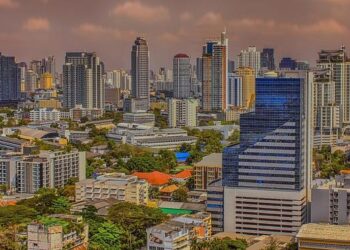
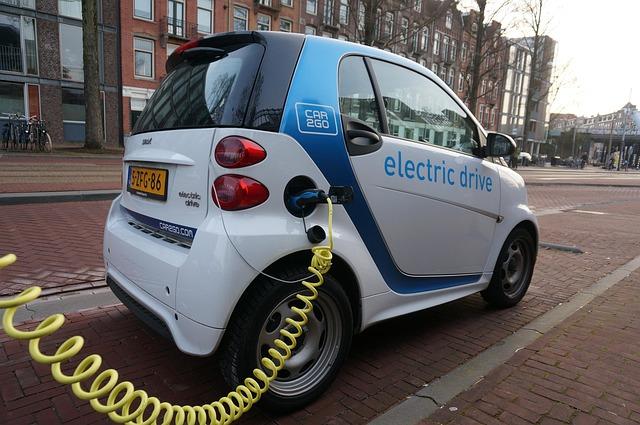
In the wake of recent territorial restorations, Azerbaijan is charting a forward-looking path by integrating smart city technologies with green energy initiatives to rebuild its liberated regions. As the country embarks on this ambitious reconstruction journey, cutting-edge urban planning and sustainable energy solutions are at the forefront, promising not only to restore but also to modernize these areas. This article examines the latest developments in Azerbaijan’s efforts to transform its reclaimed territories into hubs of innovation and ecological responsibility, highlighting key projects and government strategies driving this rapid transformation.
Smart City Initiatives Drive Sustainable Reconstruction in Azerbaijan’s Liberated Territories
Azerbaijan’s commitment to integrating smart city technologies into the reconstruction of its liberated territories marks a transformative step toward sustainable urban development. By harnessing advanced digital infrastructure, IoT devices, and data-driven governance, the country is ensuring efficient resource management and improved quality of life for residents. Key deployments include intelligent traffic systems, automated waste management, and renewable energy-powered public facilities, all designed to promote environmental protection alongside economic revival. These initiatives are not only revitalizing war-affected areas but also setting benchmarks for future urban projects across the region.
The strategic embrace of green energy solutions underscores Azerbaijan’s ambition to reduce its carbon footprint significantly. Solar farms, wind turbines, and smart grids are being integrated into the urban fabric, making the rebuilding process both eco-friendly and resilient. Below is a snapshot of prominent projects underway that illustrate this synergy:
| Project | Location | Key Feature | Status |
|---|---|---|---|
| Green Horizon Solar Park | Jabrayil | 50 MW Solar Power | Under Construction |
| Smart Traffic Network | Fuzuli | AI-Optimized Signals | Operational |
| EcoSmart Waste System | Zangilan | IoT Sensors & Recycling | Pilot Phase |
Harnessing Green Energy Solutions to Power Economic Growth and Environmental Resilience
Azerbaijan’s commitment to integrating renewable energy into the reconstruction of its liberated territories signals a transformational shift in both economic development and environmental stewardship. The deployment of solar farms and wind power plants is not only reducing dependency on fossil fuels but also creating new job markets, attracting investment, and fostering technological innovation. Authorities have emphasized energy diversification as a pillar for sustainable growth, ensuring that the rebuilding process bolsters resilience against climate change and global energy volatility. This forward-thinking approach is seen as a pivotal step to modernize infrastructure while respecting the unique ecological landscape of the region.
Key strategies driving this green revolution include:
- Implementation of smart grids for efficient energy distribution
- Deployment of energy storage systems to enhance grid reliability
- Promotion of local manufacturing of renewable technology components
- Community engagement programs to encourage sustainable practices
These efforts are supported by a multi-sector collaboration between government agencies, international partners, and private enterprises, turning Azerbaijan’s liberated lands into a testing ground for innovative green solutions that could serve as a model for other post-conflict regions worldwide.
| Green Energy Initiative | Target Capacity | Projected Jobs Created | Environmental Impact |
|---|---|---|---|
| Solar Power Plants | 150 MW | 1,200 | Reduction of 80,000 tons CO2/year |
| Wind Farms | 200 MW | 1,500 | Reduction of 100,000 tons CO2/year |
| Energy Storage Systems | 50 MW capacity | 300 | Stabilizes energy supply, reduces waste |
Policy Recommendations for Integrating Technology and Renewable Resources in Post-Conflict Development
To accelerate sustainable growth in Azerbaijan’s liberated territories, policymakers should focus on crafting frameworks that seamlessly merge advanced technologies with renewable energy initiatives. Prioritizing public-private partnerships will leverage innovation and investment, unlocking resources crucial for smart infrastructure development. Implementing regulatory incentives such as tax credits and streamlined approval processes can stimulate the deployment of solar and wind power projects, while ensuring energy grids remain resilient and adaptable through digital monitoring systems. Furthermore, capacity-building programs aimed at training local workforces in both IoT applications and green technology maintenance will foster long-term autonomy and economic inclusion.
Key strategic actions include:
- Facilitating open data platforms to enhance transparency and citizen engagement in urban planning.
- Introducing tailored subsidies for small-scale renewable installations in residential and commercial sectors.
- Establishing innovation hubs within liberated zones to incubate green tech startups.
Below is a summary of critical policy tools suggested for effective integration:
| Policy Tool | Purpose | Expected Outcome | |
|---|---|---|---|
| Financial Incentives | Encourage investments in renewables | Higher adoption rates, reduced costs | |
| Smart Grid Implementation | Enhance energy distribution efficiency | Improved reliability, lower emissions | |
| Workforce Development | Workforce Development | Train local workforce in green tech and IoT | Increased employment, sustainable maintenance |
By implementing these policy tools, Azerbaijan can ensure a resilient and sustainable development trajectory for its liberated territories, fostering innovation, economic growth, and energy independence.
If you would like me to assist you further with formatting, expanding, or summarizing this content, please let me know!
Concluding Remarks
As Azerbaijan continues its ambitious efforts to rebuild its liberated territories, the integration of smart city technologies and green energy solutions stands at the forefront of this transformative journey. By embracing innovation and sustainability, the country is not only restoring infrastructure but also laying the groundwork for a more resilient and environmentally responsible future. These developments underscore Azerbaijan’s commitment to modernizing the region while promoting economic growth and improving the quality of life for its residents. As rebuilding progresses, the world will be watching closely to see how these initiatives shape the new landscape of Azerbaijan’s liberated zones.

![Azerbaijan and China discuss expanding strategic partnership [PHOTOS] – AzerNews](https://azia.news/wp-content/uploads/2026/05/214631-azerbaijan-and-china-discuss-expanding-strategic-partnership-photos-azernews-350x250.jpg)

![Azerbaijan’s Turkic strategy expands beyond culture into hard power [ANALYSIS] – AzerNews](https://azia.news/wp-content/uploads/2026/05/214032-azerbaijans-turkic-strategy-expands-beyond-culture-into-hard-power-analysis-azernews-350x250.jpg)