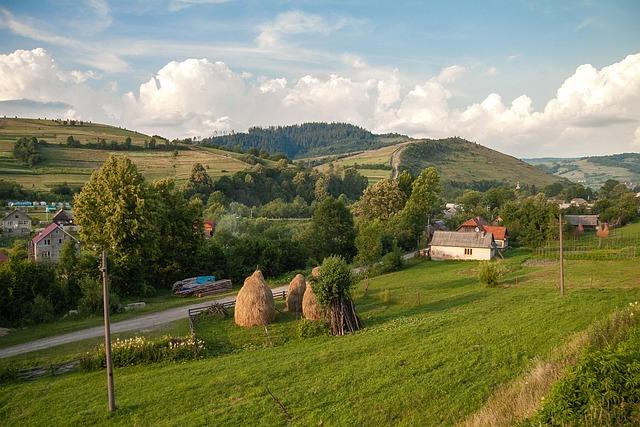
In a recent analysis published by the Carnegie Endowment for International Peace, experts emphasize that Europe’s path to influence and partnership in Armenia is far from straightforward. Despite growing geopolitical interest, the report underscores that meaningful engagement requires sustained commitment, nuanced diplomacy, and acknowledgment of Armenia’s complex regional realities. This insight challenges any expectations of quick gains or simplified strategies for European actors seeking a foothold in the South Caucasus.
Europe’s Strategic Interests in Armenia Amid Regional Challenges
Europe’s engagement with Armenia has increasingly become a test of its strategic resolve amidst the unpredictable Caucasus landscape. As regional players recalibrate their alliances, Brussels recognizes that Armenia is more than just a foothold; it is a gateway to broader Eurasian dynamics. The European Union’s approach combines diplomatic finesse with cautious pragmatism, seeking to balance stability with influence without provoking further tensions from neighboring powers. This delicate calculus unfolds against a backdrop of unresolved conflicts, shifting energy routes, and growing security concerns that demand a nuanced, long-term commitment rather than quick fixes.
Policymakers in Europe understand that fostering stronger ties with Armenia involves navigating multiple challenges simultaneously:
- Security cooperation: Addressing border vulnerabilities and promoting peace initiatives.
- Economic integration: Supporting sustainable development while mitigating dependency on external powers.
- Political reforms: Encouraging democratic governance to enhance Armenia’s resilience.
Without emphasizing a comprehensive strategy that incorporates these elements, Europe’s ambitions risk falling short, underscoring the premise that in Armenia, patience and persistence are indispensable.
| Interest Area | Objective | Challenge |
|---|---|---|
| Energy Security | Diversify supply routes | Geopolitical pressure from Russia |
| Conflict Resolution | Support ceasefire stability | Entrenched territorial disputes |
| Economic Development | Boost trade & investment | Limited infrastructure |
The Complex Path to Deepening EU-Armenia Cooperation
Efforts to intensify collaboration between the European Union and Armenia confront a labyrinth of political, economic, and social challenges that refuse quick fixes. Despite shared democratic aspirations and strategic interests, deepening ties demand sustained commitment from both sides. Armenia’s geopolitical reality, shaped heavily by regional conflicts and Russian influence, complicates Brussels’ ambitions, necessitating a nuanced approach that balances ambition with pragmatism. Key hurdles include:
- Armenia’s delicate balancing act between the EU and Eurasian Economic Union
- Persistent security concerns alongside the unresolved Nagorno-Karabakh conflict
- Domestic political volatility impacting reform continuity
Moreover, economic integration efforts face structural constraints, especially given Armenia’s limited infrastructure and dependency on remittances and foreign support. The EU’s approach favors gradual capacity-building, prioritizing governance reforms and civil society empowerment over rapid institutional overhauls. This cautious, iterative process aims to foster organic growth in EU-Armenia relations rather than force convergence through top-down mandates.
| Challenge | EU Focus | Armenian Priority |
|---|---|---|
| Security | Conflict resolution support | Border stability and sovereignty |
| Political Reform | Democratic institution strengthening | Maintaining political consensus |
| Economic Development | Trade facilitation & infrastructure aid | Job creation & investment attraction |
Policy Recommendations for Sustainable Engagement and Regional Stability
To foster a resilient and constructive presence in Armenia, European policymakers must prioritize long-term commitment over quick fixes. This approach entails actively supporting inclusive economic development, strengthening democratic institutions, and encouraging dialogue among all regional stakeholders. By leveraging diplomatic channels and offering targeted financial assistance, Europe can help Armenia navigate its complex geopolitical landscape while promoting stability and prosperity. Key strategies include:
- Enhancing regional cooperation frameworks to bridge divides and integrate Armenia more deeply into European and Eurasian markets.
- Investing in civil society and media freedom, facilitating transparency and public accountability essential for sustainable governance.
- Addressing security concerns through joint initiatives that mitigate tensions and prevent escalation in contested areas.
Moreover, a nuanced, calibrated policy is essential to balance competing interests in the South Caucasus. Europe’s engagement should avoid unilateral actions that might exacerbate rivalries or alienate key regional actors. Below is a concise overview of priority actions and expected outcomes to guide strategic implementation:
| Policy Focus | Expected Outcome | Timeline |
|---|---|---|
| Economic Diversification Programs | Reduced dependency on singular markets | 3-5 years |
| Support for Judicial Reforms | Increased rule of law and investor confidence | 2-4 years |
| Cross-border Dialogue Platforms | Improved regional trust and conflict resolution | Ongoing |
To Wrap It Up
As Armenia continues to navigate the complex terrain of regional geopolitics and domestic reform, the path to closer integration with Europe remains challenging and without easy shortcuts. The Carnegie Endowment’s analysis underscores that sustained commitment, strategic patience, and realistic expectations are essential for both Armenia and European partners. While the prospects for deeper ties are promising, they will require careful diplomacy and internal transformation rather than swift fixes. The coming years will be critical in determining whether Armenia can leverage its unique position to build a lasting partnership with Europe grounded in mutual interests and resilience.