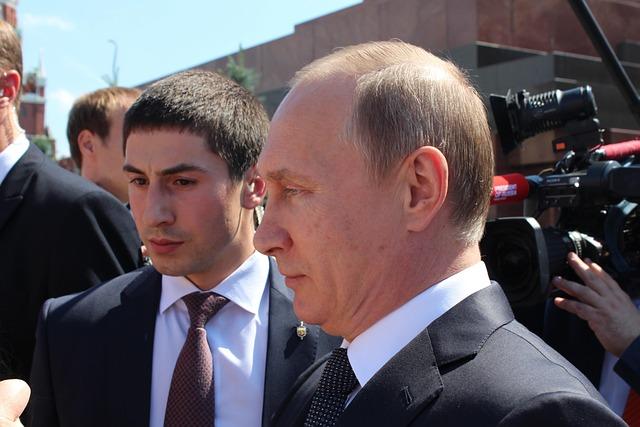
Tensions between Russia and Armenia have sharply intensified as Moscow announced the unprecedented recall of its ambassador from Yerevan. The diplomatic move highlights the deepening rift between Russian President Vladimir Putin and Armenian Prime Minister Nikol Pashinyan, signaling a significant deterioration in bilateral relations. This escalation comes amid ongoing political and regional disputes, raising concerns about the stability of Armenia’s ties with its long-standing ally, Russia.
Putin Pashinyan Tensions Deepen as Russia Withdraws Ambassador from Armenia
The diplomatic rift between Moscow and Yerevan has reached an unprecedented level following Russia’s decision to withdraw its ambassador from Armenia. This move underscores the increasing strain between the Kremlin and Prime Minister Nikol Pashinyan’s government, which has been marked by diverging political interests and security concerns in the South Caucasus region. Analysts suggest that this withdrawal not only signals a sharp deterioration in bilateral relations but also hints at Russia recalibrating its influence amidst Armenia’s pursuit of closer ties with Western powers.
Key factors contributing to the escalation include:
- Disputes over the Nagorno-Karabakh conflict and ceasefire enforcement
- Armenia’s increasing engagement with NATO and the European Union
- Russia’s dissatisfaction with Armenia’s domestic reforms and geopolitical orientation
| Aspect | Russia’s Position | Armenia’s Stance |
|---|---|---|
| Security Cooperation | Maintain traditional ties | Seek diversified partnerships |
| Diplomatic Engagement | Control regional influence | Enhance Western relations |
| Conflict Resolution | Foster ceasefire stability | Demand political autonomy |
Analyzing the Diplomatic Fallout and Regional Security Implications
The unexpected recall of the Russian ambassador from Armenia signals a significant deterioration in Moscow-Yerevan relations, underscoring the deepening rift between Vladimir Putin and Nikol Pashinyan. This diplomatic move not only reflects Russia’s discontent with Armenia’s recent political stance but also raises questions about Armenia’s alignment within the regional power dynamics. The withdrawal is perceived as a strategic warning, aiming to pressure Yerevan into reconsidering its policies without severing ties entirely. In the broader context, Armenia’s pivot away from traditional Russian influence could embolden other neighboring nations to re-evaluate their own foreign policies, potentially shifting longstanding alliances.
Regional security implications are becoming increasingly complex as tensions mount. The South Caucasus, already fragile due to unresolved conflicts and overlapping interests among major powers, faces heightened instability. Key concerns include:
- Potential reduction in Russian peacekeeping influence in contested zones
- Increased military posturing by neighboring countries sensing strategic vacuums
- A rise in nationalist rhetoric heightening the risk of localized skirmishes
| Factor | Impact Level | Potential Outcome |
|---|---|---|
| Diplomatic Strain | High | Reduced bilateral cooperation |
| Security Vacuum | Medium | Increased regional competition |
| Military Alignments | High | Possible new alliances or conflicts |
Strategies for De-escalation and Restoring Bilateral Relations Between Moscow and Yerevan
To ease tensions between Moscow and Yerevan, both parties must prioritize open dialogue and mutual respect. Initiatives such as high-level diplomatic meetings and establishing a joint committee for conflict resolution could serve as foundations for rebuilding trust. Furthermore, engaging in third-party mediation through neutral international organizations might foster a constructive environment for addressing grievances and misunderstanding that have fueled the recent escalation.
Concrete confidence-building measures include:
- Resuming cultural and economic exchanges to maintain people-to-people contact.
- Dialogues focusing on border security cooperation to prevent incidents that could further inflame tensions.
- Transparent communication channels to quickly defuse emerging conflicts before they escalate.
| De-escalation Step | Expected Outcome |
|---|---|
| Joint Security Dialogues | Reduced border incidents |
| Cultural Exchange Programs | Restored public trust |
| Third-party Mediation | Impartial conflict assessment |
Concluding Remarks
As tensions continue to rise between Moscow and Yerevan, the recent recall of Russia’s ambassador marks a significant escalation in the ongoing conflict between Putin and Pashinyan. The developments underscore the fragile state of Armenian-Russian relations and hint at deeper geopolitical repercussions in the region. Observers will be closely monitoring the situation as both sides navigate this diplomatic standoff, with potential impacts extending beyond bilateral ties to influence broader regional stability.