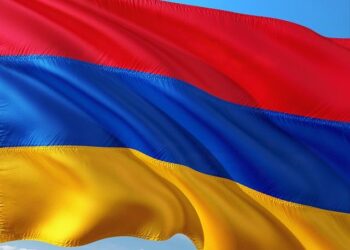
Armenians gathered to commemorate the centenary of the World War I massacres, a somber occasion marked by deep grievances and a firm rejection of recent diplomatic efforts aimed at warming ties with Turkey. While Turkey and Armenia have shown tentative signs of rapprochement after decades of hostility, many Armenians remain critical, viewing the thaw as premature and overlooking the enduring pain caused by the atrocities. The commemorations underscore the ongoing tensions surrounding historical memory and political reconciliation between the two nations.
Armenian Communities Commemorate World War One Massacres Amid Continuing Historical Grievances
Communities across the Armenian diaspora gathered this week to commemorate the centenary of the World War One massacres that led to the death of an estimated 1.5 million Armenians. Despite recent diplomatic initiatives aimed at improving relations with Turkey, many attendees expressed strong reservations, emphasizing that acknowledgment and justice remain elusive. The events featured memorial services, public forums, and cultural exhibitions, underscoring a persistent demand for full recognition of the atrocities as genocide. Activists and historians alike warn that without sincere reconciliatory efforts, any political thaw risks being perceived as a superficial gesture undermining the depth of historical wounds.
Voices from Armenian communities highlighted the following concerns regarding the ongoing dialogue with Turkey:
- Lack of official recognition: Turkey’s continued refusal to officially classify the events as genocide fuels distrust.
- Historical revisionism: Educational and media narratives in Turkey often downplay or distort the facts.
- Legal and reparative measures: Absence of any meaningful steps towards compensation or reconciliation.
- The political climate: Recent geopolitical shifts have raised fears that economic and strategic interests may override ethical imperatives.
| Community | Events Held | Key Message |
|---|---|---|
| Los Angeles | Memorial service, panel discussion | Justice before diplomacy |
| Paris | Art exhibition, candlelight vigil | Recognition is essential |
| Yerevan | Official speeches, historic tours | Remember and demand truth |
Criticism Mounts Over Efforts to Normalize Relations Between Armenia and Turkey
Armenian communities and survivors’ groups have voiced strong opposition to recent diplomatic efforts aimed at normalizing ties with Turkey. The move, coinciding with commemorations of the World War I massacres, has been seen by many as premature and insensitive. Critics argue that without a formal acknowledgment and apology from Turkey regarding the atrocities committed during the Armenian genocide, any diplomatic thaw risks undermining historical justice and the memories of those lost.
Several advocacy groups have called for transparency and meaningful reconciliation steps beyond mere political chamberlaincy. Key points of contention include:
- Recognition of historical facts surrounding the massacres
- Establishment of joint truth commissions
- Protection of Armenian cultural heritage sites within Turkey
- Guarantees against denialism and historical revisionism
| Concern | Expected Outcome |
|---|---|
| Acknowledgment of atrocities | Official recognition and apology |
| Historical narrative | Joint educational initiatives |
| Political normalization | Conditional on reparative steps |
Calls for Comprehensive Recognition and Justice as Foundation for Genuine Peace Talks
Demanding full acknowledgement of the atrocities committed during World War I, community leaders and activists emphasize that any dialogue with Turkey must rest on a foundation of historical truth and justice. They argue that without formal recognition and reparations, peace talks risk becoming superficial gestures rather than genuine reconciliations. The silence or denial surrounding the massacres has left deep wounds, fueling mistrust and skepticism towards diplomatic initiatives that sideline these fundamental issues.
Advocates have outlined several key prerequisites that should shape future negotiations:
- Official recognition of the events as genocide by all parties involved
- Implementation of educational programs highlighting the historical facts
- Legal and moral reparations to descendants and survivors
- Joint historical commissions to establish an unbiased record
| Key Demands | Purpose |
|---|---|
| Recognition of Genocide | Achieve historical justice |
| Educational Initiatives | Prevent denial and distortion |
| Reparations | Address past harms materially |
| Joint Historical Commissions | Foster mutual understanding |
In Summary
As Armenians around the world continue to commemorate the centenary of the World War I massacres, many remain skeptical of recent diplomatic overtures between Armenia and Turkey. For numerous survivors and their descendants, recognition and accountability remain paramount, overshadowing political efforts at reconciliation. The complex legacy of history ensures that the scars of the past still shape present-day relations, highlighting the ongoing challenges in achieving genuine healing between the two nations.