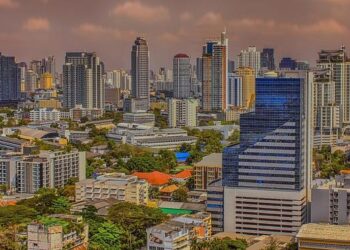

South Korea is strengthening its ties with Southeast Asia by providing cutting-edge AI-based smart city technologies to six cities across the ASEAN region. This initiative aims to enhance urban management, improve public services, and drive sustainable development through the integration of advanced artificial intelligence solutions. The collaboration highlights South Korea’s growing role in promoting digital innovation and smart infrastructure beyond its borders, positioning itself as a key partner in the region’s ongoing smart city transformation efforts.
South Korea Collaborates with ASEAN Cities to Deploy Advanced AI Smart City Solutions
South Korean technology firms and urban planners have embarked on a transformative partnership with six major ASEAN cities, aiming to revolutionize urban living through cutting-edge AI-driven smart city infrastructures. This collaboration leverages South Korea’s expertise in artificial intelligence, big data analytics, and Internet of Things (IoT) platforms to deliver scalable solutions tailored to the unique challenges faced by these rapidly growing metropolitan areas. The initiative focuses on addressing traffic congestion, energy management, public safety, and environmental sustainability by integrating real-time monitoring systems and predictive analytics into the cities’ infrastructure.
Key features of the AI smart city solutions include:
- Intelligent traffic flow optimization to reduce commute times and emissions
- AI-powered energy grids for efficient resource distribution and reduced wastage
- Advanced public safety monitoring using AI-enabled cameras and drone surveillance
- Environmental sensors for air quality measurement and pollution control
- Citizen engagement platforms using AI chatbots and feedback analysis
| City | AI Focus Area | Expected Impact |
|---|---|---|
| Jakarta | Traffic Management | 30% reduction in congestion |
| Manila | Energy Efficiency | 20% lower energy consumption |
| Bangkok | Public Safety | Enhanced crime detection |
| Hanoi | Environmental Monitoring | Improved air quality index |
| Kuala Lumpur | Citizen Engagement | Higher public participation |
| Ho Chi Minh City | Smart Waste Management | Optimized waste collection routes |
Enhancing Urban Infrastructure and Sustainability Through Innovative Technology
South Korea’s strategic deployment of AI-driven technologies in six ASEAN cities marks a significant leap towards smarter, more resilient urban environments. By integrating advanced data analytics, IoT sensors, and AI algorithms, these pilot projects aim to optimize traffic flow, enhance public safety, and improve energy management across diverse metropolitan areas. This collaborative initiative not only offers scalable solutions to urban challenges but also fosters regional partnerships focused on sustainable growth. The AI systems actively monitor environmental conditions, predict maintenance needs, and automate resource allocation, thereby reducing waste and carbon footprints in real time.
The program highlights several key technological innovations setting a new benchmark for urban infrastructure:
- Real-time traffic congestion prediction using AI to minimize commute times
- Smart grids that adapt energy distribution based on consumption patterns
- Intelligent public safety systems equipped with facial recognition and emergency response analytics
- Waste management automation through sensor-enabled bins and collection scheduling
| City | Tech Focus | Expected Impact |
|---|---|---|
| Jakarta | Traffic AI | 35% reduction in congestion |
| Bangkok | Smart Grids | 20% energy savings |
| Ho Chi Minh City | Public Safety AI | Enhanced crime detection |
| Manila | Waste Management | 30% efficiency in collection |
| Phnom Penh | Environmental Sensors | Improved air quality monitoring |
| Yangon | Infrastructure Health AI | Proactive maintenance alerts |
Recommendations for Maximizing AI Integration in Southeast Asian Urban Development
To fully harness the potential of AI in urban development across Southeast Asia, local governments and stakeholders must prioritize collaborative platforms that facilitate real-time data sharing and decision-making. Emphasizing partnerships between public agencies, tech innovators, and communities ensures that AI solutions are tailored to address region-specific challenges, from traffic congestion to environmental sustainability. Furthermore, investing in capacity-building initiatives can empower municipal workers and residents alike, fostering digital literacy and encouraging grassroots participation in smart city programs.
Equally important is the establishment of transparent regulatory frameworks that balance innovation with data privacy and security. By adopting clear guidelines around AI deployment, ASEAN cities can build public trust and attract further international support. Below is a concise overview of key focus areas to streamline AI integration effectively:
- Interoperability: Ensuring systems work seamlessly across platforms and cities
- Scalability: Designing AI tools that can expand with urban growth
- Community Engagement: Involving citizens in planning and feedback loops
- Ethical AI Use: Prioritizing fairness and mitigating biases
| Focus Area | Benefit | Example |
|---|---|---|
| Interoperability | Seamless data exchange | Cross-city traffic monitoring |
| Scalability | Support for population growth | Expandable sensor networks |
| Community Engagement | Inclusive policymaking | Public feedback apps |
| Ethical AI Use | Reduced bias in algorithms | Fair housing allocation |
Wrapping Up
As South Korea extends its expertise in AI-driven smart city technologies to six ASEAN cities, this collaboration marks a significant step toward regional innovation and urban development. By leveraging advanced solutions, these cities aim to enhance infrastructure efficiency, improve public services, and foster sustainable growth. This partnership not only exemplifies the growing influence of AI in shaping future urban landscapes but also underscores the strengthening ties between South Korea and Southeast Asia in the digital era.