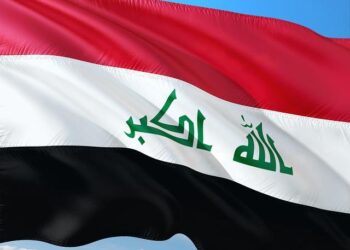
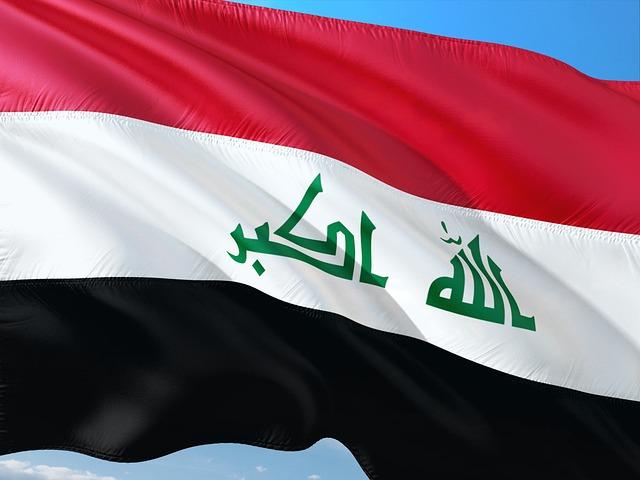
Iraq has announced a September deadline for the integration of various armed groups into the state security apparatus, signaling a crucial move toward consolidating national stability and reducing militia influence. The government’s directive comes amid ongoing efforts to unify military forces and strengthen centralized control, underscoring Baghdad’s commitment to restoring order after years of conflict and fragmentation. This decision, reported by Hürriyet Daily News, marks a significant step in Iraq’s post-conflict reconstruction and security sector reform.
Iraq’s September Deadline Aims to Unify Armed Factions and Stabilize Security
The Iraqi government has announced a stringent September deadline to bring a sweeping integration of various armed factions under a unified national command. This ambitious push aims to dismantle the fragmented militia landscape that has long challenged the country’s internal security and governance. Officials emphasize that unifying these groups is crucial for enhancing coordination and accountability within the security apparatus, ultimately leading to improved stability across volatile regions.
Key components of the initiative include:
- Comprehensive vetting processes to ensure loyalty to the state
- Standardized training and operational protocols
- Integration into official Iraqi security forces, including the army and police
- Establishment of a centralized command structure
The government has also outlined a phased roadmap, prioritizing the most influential factions initially to create momentum. Below is a snapshot of the expected milestones leading up to September:
| Milestone | Target Date | Status |
|---|---|---|
| Initial Assessment and Faction Listings | April 30 | Completed |
| Begin Vetting and Training Programs | June 15 | In Progress |
| Formal Integration Ceremony | ||
| Formal Integration Ceremony | August 30 | Planned |
| Full Operational Command Established | September 15 | Scheduled |
| Key Political Actors | Position on Integration | Regional Influence |
|---|---|---|
| Popular Mobilization Forces (PMF) | Ambivalent, protecting autonomy | Various provinces |
| Kurdish Peshmerga | Supportive but cautious | Kurdistan Region |
| Sunni Tribal Militias | Often resistant | Nineveh, Anbar |
| Federal Government | Strongly pro-integration | National |
Strategies for Successful Integration Emphasize Inclusive Dialogue and International Support
The roadmap for the integration of armed groups in Iraq heavily relies on fostering open channels of communication between all stakeholders. Inclusive dialogue not only bridges deep-seated mistrust but also paves the way for building consensus on security priorities and political representation. Experts emphasize that this process must involve local communities, tribal leaders, and representatives from various factions to ensure a transparent transition and sustainable peace. Without such comprehensive engagement, efforts risk being undermined by fragmented loyalties and unresolved grievances.
International support remains a critical pillar underpinning the success of this initiative. Several countries and global organizations have pledged technical assistance, capacity-building programs, and financial backing aimed at promoting disarmament, demobilization, and reintegration (DDR) processes. The table below highlights some key areas receiving targeted international aid:
| Support Area | Key International Partners | Purpose |
|---|---|---|
| Security Sector Reform | UN, EU, USA | Building professional, inclusive forces |
| Community Reconciliation | Norway, Germany | Mediating tribal and sectarian divides |
| Economic Reintegration | World Bank, IMF | Job creation for ex-combatants |
<
The roadmap for the integration of armed groups in Iraq heavily relies on fostering open channels of communication between all stakeholders. Inclusive dialogue not only bridges deep-seated mistrust but also paves the way for building consensus on security priorities and political representation. Experts emphasize that this process must involve local communities, tribal leaders, and representatives from various factions to ensure a transparent transition and sustainable peace. Without such comprehensive engagement, efforts risk being undermined by fragmented loyalties and unresolved grievances. International support remains a critical pillar underpinning the success of this initiative. Several countries and global organizations have pledged technical assistance, capacity-building programs, and financial backing aimed at promoting disarmament, demobilization, and reintegration (DDR) processes. The table below highlights some key areas receiving targeted international aid: <
As Iraq approaches its September deadline for the integration of armed groups, the coming months will be critical in determining the success of efforts to unify the country’s security apparatus. While the government aims to solidify state authority and curb militia influence, challenges remain in balancing diverse political interests and ensuring stability. Observers will be closely monitoring how these developments unfold and what they mean for Iraq’s path toward lasting peace and governance. Thai Princess Ubolratana Mahidol has passed away at the age of 47, following several years in a coma, the Royal...
Support Area
Key International Partners
Purpose
Security Sector Reform
UN, EU, USA
Building professional, inclusive forces
Community Reconciliation
Norway, Germany
Mediating tribal and sectarian divides
Economic Reintegration
World Bank, IMF
Job creation for ex-combatants
In Retrospect
Denial of responsibility! asia-news.biz is an automatic aggregator around the
global media. All the content are available free on Internet. We have just
arranged it in one platform for educational purpose only. In each content,
the hyperlink to the primary source is specified. All trademarks belong to
their rightful owners, all materials to their authors. If you are the owner
of the content and do not want us to publish your materials on our website,
please contact us by email – [email protected].. The content will be deleted within 24 hours.Related Posts
Thai Princess Passes Away at 47 After Years in Coma, Palace Confirms