
As the geopolitical landscape in the Middle East shifts,the alliance between Israel and the United States remains a pivotal element in global politics,particularly regarding Iran. Historically, both nations have shared concerns about Tehran’s nuclear ambitions and its regional influence. However, recent events indicate a potential divergence in their strategies and priorities. This article delves into the intricacies of U.S.-Israel relations amidst evolving political dynamics, examining how this possible rift could affect stability in the Middle East and international policies toward Iran. With each country facing its own domestic challenges alongside regional threats, one pressing question arises: will Israel and the United States maintain their alignment or are they on the verge of meaningful divergence?

Israel’s View on Iran’s Nuclear Ambitions
From Israel’s perspective, Iran’s pursuit of nuclear capabilities is seen as an existential threat shaped by historical grievances and geopolitical realities. The possibility of a nuclear-armed Iran considerably influences Israel’s national security strategy, prompting it to adopt a proactive approach that prioritizes military preparedness and intelligence operations.Israeli leaders consistently emphasize the urgency of preventing Iran from acquiring nuclear weapons,fearing that such capabilities would enhance Tehran’s regional aspirations and empower its proxies throughout the Middle East. This commitment manifests in operational doctrines that include potential preemptive strikes against Iranian facilities while maintaining an advanced missile defense system to counteract threats posed by Iranian missiles.
In crafting its strategic response to these challenges, Israel focuses on bolstering ties with Washington while also preparing for scenarios where American policies may diverge from its own interests. Key strategies include:
- Diplomatic Alliances: Strengthening partnerships with Gulf states and other nations opposed to Iranian influence.
- Military Enhancements: Investing in cutting-edge weaponry and autonomous defense technologies.
- Intelligence Collaboration: Working closely with U.S. intelligence agencies to track Iranian activities effectively.
Additonally, Israel remains cautious about international negotiations that might legitimize Iran’s nuclear program. While U.S.policy has occasionally leaned towards diplomatic engagement with Tehran, Israeli officials argue that any agreement failing to address all aspects of Iranian threats could ultimately heighten security risks for them.
The following table outlines key concerns illustrating this nuanced perspective:
| Concern | Israeli Perspective | U.S. Stance |
|---|---|---|
| Nuclear Capability Timeline | An immediate threat necessitating swift action | A preference for gradual engagement |
| Iranian Regional Influence | A direct challenge to Israeli security interests | Sustainable through alliances |
| Efficacy of Sanctions |

U.S Diplomatic Strategy Toward Iran: A Balance Between Sanctions And Engagements
The diplomatic approach adopted by Washington concerning Tehran has often fluctuated between imposing strict sanctions aimed at curtailing Iranian ambitions while exploring avenues for dialogue when feasible.
This balancing act is crucial as it seeks not only to limit Tehran’s nuclear pursuits but also aims at avoiding full-scale military conflict.The use of sanctions has been central;,targeting various sectors like oil exports or financial transactions designed specifically to isolate Iran economically.
However,< strong >engagement efforts have also played a role; past negotiations aimed at extensive agreements illustrate this duality.Navigating these measures without alienating allies or escalating tensions within an already volatile region presents ongoing challenges.
The complexity deepens as Washington finds itself entangled in a relationship with Jerusalem—where perceptions regarding threats differ markedly based on immediate security needs.
For instance:
- < strong >Preemptive Military Actions: Advocating aggressive options as deterrents against potential aggression from Tehran .
- < strong >Regional Partnerships : Strengthening cooperation among Gulf Arab states aiming at countering Iranian dominance .
- < strong >Military Preparedness : Ensuring readiness among armed forces should independent action become necessary .
< / ul >Ultimately , reconciling approaches between sanctions versus engagement while aligning them with Israeli priorities poses significant hurdles for U.S policymakers .
The risk associated with diverging strategies necessitates careful diplomatic navigation ensuring both countries can effectively confront shared dangers without compromising their unique security frameworks .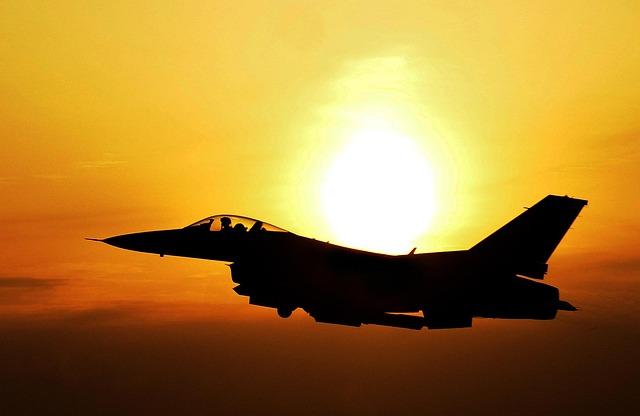
Implications Of Military Options : A Comparative Analysis
The military options available concerning both countries’ responses towardsIran carry significant implications warranting thorough examination .
Each nation ’s approach reflects not just strategic priorities but broader geopolitical contexts .
WhileIsrael tends toward immediate responses favoring surgical strikes or preemptive actions ,theUnitedStates historically weighs interventions more cautiously often considering diplomacy alongside global commitments .Such divergences can lead tensions affecting cooperative efforts including intelligence sharing since unilateral actions pursued by one party may lack endorsement from another.Key ramifications stemming from differing military strategies extend beyond tactical considerations tapping into deeper dilemmas :
- < strong >Regional Stability :This could escalate conflicts ifIsraeli strikes provoke neighboring states .
- < Strong >U S Influence :A contrasting strategy might undermine credibility within regional partnerships .
- < Strong >Global Alliances :Diverging tactics complicate relationships amongst allies interpreting actions through national lenses .
< / ul >To illustrate these complexities further ,the following table summarizes key differences observed across military strategies employed by both parties regardingIran :
Aspect Israel UnitedStates < / th > M ilitary Strategy < / td >< td>P reemptive Strikes < / td >< t d>diplomatic & Military Alternatives < / t d > 
“Domestic Political Pressures Influencing Relations Between US And ISRAEL “
The political environments surrounding both nations significantly shape bilateral relations particularly concerningIran.
InIsrael,the current administration faces mounting criticism over handlingTehran ’snuclear ambitions leadingto increased urgencyfor adoptingaggressive stances drivenby several factors:- ;
- S ecurity Concerns : The perceptionof imminent threatfromnuclear-capableIran dominatesIsraeli politics.< li style=“margin-bottom:.25em”;">C oalition Politics : Fragilitywithin rulingcoalition necessitates hardlineapproachesmaintaining supportfrom right-wing factions.< li style=“margin-bottom:.25em”;">P ublic Sentiment : Risinganxietyoverregionalinfluenceandmilitarycapabilities drives callsfor decisiveaction.< li style=“margin-bottom:.25em”;">
Simultaneously occurring,inAmerica,theBidenadministration contendswithitsowninternalpressuresasitstrivesforbalancebetweenengagementandnationalsecurityinterests.TheCongressisdividedontheissuewithkeyDemocraticandRepublicanlawmakersadvocatingdifferentsolutionscomplicatingforeignpolicyapproaches.Primaryinfluencesinclude:
- ;
- P artisan Divisions: Disparate viewsonthehandlingofIran,somefavorrenewedsanctionswhileotherssupportdiplomacy.< li style=”list-style-type:square” ;="">I nfluenceofInterestGroups: Pro-Israellobbyistsandanti-Iranfactionsplaycriticalrolesinshapingcongressionalattitudes.< li style=”list-style-type:square” ;="">E lectionCycleDynamics: Upcomingelectionspressurelawmakersadoptingpositionsresonantwithvoterbasesregardingforeignpolicyinitiatives.< li>
“The Role Of Regional Allies In Shaping An Integrated Strategy “
Regional partners play vital roles influencingstrategicapproachesbothcountriesadoptregardingTehran.Theiruniquegeopoliticalpositionsalongsidehistoricalrelationshipsallowthemactingasintermediariesorpressurepointsnegotiationsmilitarystategies.Forinstance,countrieslikeSaudiArabia,UAE,andJordanprovidevaluableintelligenceandsupportshapingregionaldynamicsaroundIranianinfluence.ThesealliesarenotonlycrucialgatherersbutalsohelppresentunitedfrontcounterpotentialthreatsposedbyTehran ’snuclearambitionsproxyactivitiesMiddleEast.
Toeffectivelycounterbalanceiranianaspirations,bothWashingtonJerusalemmustcoordinateeffortswithregionalpartnersvariousmeans:
- ;
Equallyimportantunderstandingalliancesarenotmonolithicvaryinginterestdegreescommitment.AsurveyprioritiesamongkeyplayersrevealsdivergingapproachestowardsI ranwhichcouldcomplicatecollaborativeefforts:
Future Scenarios: Collaboration Or Confrontation Amidst Threats From Teheran
- ;
EnhancedIntelligenceSharingStrengtheningcollaborativeintelligencemeasuresleadmoreeffectiveplanningexecutioncountermeasures.JointMilitaryExercisesIncreasingfrequencyjointoperationsimprovereadinessdemonstrateunity.DiplomaticEngagementPursuingchannelsaddressconcernsaboutnucleardevelopmentsmaypreventescalationwhilemaintainingfocusdeterrence.
Conversely,differentiatedstrategiessparkconfrontation.Differencespriority—directactionversusinternalissues—couldcreatefissureswithinUS-Israelpartnership.Criticalfactorstoexamineinclude:
E conomicSanctions;;Divergentviewsimpactresponsesoverallregionalsecurity;
P ublicOpinion;;PoliticalclimatechangesforceevaluationsstancesregardingI ran.
‘Way Forward’ ‘EvolvingdynamicsbetweenUS-IsraelrelationspertainingtoI ranpresentcomplexlandscapeimpactregionalsecurityinternationalrelationsyearscome.Asbothnavigateinterests—israelsfocusimmediateconcernsUSbroaderengagementpotentialdivergenceapparent.ShiftsaltertacticalcollaborationaffectgeopoliticalbalanceMiddleEast.Monitoringsignificantdevelopmentsimperativeimplicationsextendbilateralrelationshipsaffectalliancesadversarialtiesacrossregion.Commingmonthscriticaldeterminingwhethertheyreconcilecontrastingpoliciesorchartdistinctpathsseekingnationalgoals.Strategicdialogueunderstandingremainessentialpreventescalationpromotepeacevolatilearea.’
Denial of responsibility! asia-news.biz is an automatic aggregator around the global media. All the content are available free on Internet. We have just arranged it in one platform for educational purpose only. In each content, the hyperlink to the primary source is specified. All trademarks belong to their rightful owners, all materials to their authors. If you are the owner of the content and do not want us to publish your materials on our website, please contact us by email – [email protected].. The content will be deleted within 24 hours.ADVERTISEMENTRelated Posts
Thailand Hosts Parliamentary Seminar on Groundbreaking Anti-SLAPP Reform
Thailand proudly co-hosted a dynamic parliamentary seminar on anti-SLAPP reform alongside the International Commission of Jurists (ICJ), driving forward stronger...
Read moreDetails