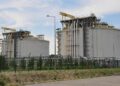

As global tensions disrupt energy supplies and send oil prices soaring, a stark divide is emerging on the economic front. While many nations grapple with inflation and energy shortages, a select group of oil-producing countries is reaping substantial financial gains from the crisis. The New York Times explores how the war-driven oil shock is reshaping the global economic landscape-benefiting producers while leaving importers to bear the brunt of the fallout.
Countries Benefiting from Surging Oil Prices Amid Global Conflict
Amid the ongoing global conflict disrupting energy markets, certain nations have emerged as clear beneficiaries of skyrocketing oil prices. Major oil-producing countries such as Saudi Arabia, Russia, and United Arab Emirates have seen a significant boost in their revenues, leveraging the surge to strengthen national budgets and increase geopolitical influence. These nations are capitalizing on constrained supply chains and heightened demand to negotiate better terms in international trade agreements and expand their strategic reserves.
Meanwhile, emerging oil exporters in Africa and South America are experiencing newfound fiscal breathing room, allowing them to allocate resources toward domestic development and social programs. The following table outlines a comparison of average monthly revenue increases among notable oil exporters since the onset of the crisis:
| Country | Monthly Revenue Increase (Billion USD) | Notable Uses of Increased Revenue |
|---|---|---|
| Saudi Arabia | 10.7 | Military modernization, infrastructure |
| Russia | 9.3 | State subsidies, foreign reserves |
| UAE | 4.1 | Renewable energy investments |
| Nigeria | 1.2 | Healthcare, education |
| Brazil | 0.9 | Debt reduction, social welfare |
- Strategic reinvestment: These countries are prioritizing oil revenues to mitigate future shocks.
- Enhanced leverage: Increased cash flow grants them stronger diplomatic standing in global forums.
- Economic diversification: Elevated earnings facilitate investments outside of oil sectors as a buffer against volatility.
Economic Strain and Energy Insecurity Plague Import-Dependent Nations
Across the globe, nations heavily reliant on energy imports are grappling with unprecedented economic challenges. Spiraling oil prices, exacerbated by ongoing geopolitical tensions, have triggered inflationary pressures that stifle growth and erode purchasing power. For many, paying the soaring costs at the pump translates directly into higher expenses for households and industries alike, deepening fiscal deficits and forcing governments to reconsider subsidy programs. This energy dependency has made these countries particularly vulnerable, leaving them exposed to volatile international markets and supply disruptions.
The impacts ripple beyond finances:
- Increased energy poverty: Millions struggle to afford basic heating and electricity.
- Industrial slowdowns: Manufacturing sectors face rising operational costs, risking layoffs.
- Currency pressure: Surging import bills strain foreign exchange reserves, depreciating local currencies.
| Country | Import Dependency (%) | Energy Inflation Rate (YoY) | Fiscal Impact (Billion USD) |
|---|---|---|---|
| Kenya | 85 | 24% | 1.2 |
| Bangladesh | 78 | 19% | 2.5 |
| Turkey | 72 | 28% | 5.7 |
| Philippines | 69 | 22% | 3.1 |
Strategic Policy Moves to Mitigate Impact and Foster Energy Resilience
Governments around the globe are rapidly recalibrating their energy policies to cushion the blow from volatile oil markets while simultaneously strengthening future energy independence. Key moves include accelerating investments in renewable infrastructure, incentivizing energy diversification, and revising strategic reserves protocols. By adopting these proactive strategies, countries aim not only to shield their economies from external shocks but also to position themselves advantageously in a shifting global energy order.
Several nations have outlined clear priorities to balance immediate relief with long-term sustainability. These include:
- Subsidies and tax breaks to promote solar and wind energy projects, reducing reliance on imported fossil fuels.
- Establishing regional energy alliances to secure more stable supply chains and share technological innovations.
- Boosting energy efficiency standards across industries and residential sectors to lower overall consumption.
- Updating legal frameworks to encourage private sector participation in green energy initiatives.
| Policy Area | Countries Leading | Key Initiative |
|---|---|---|
| Renewables Investment | Germany, China, India | Massive subsidy programs for solar power |
| Energy Alliances | European Union, ASEAN | Cross-border grid interconnections |
| Efficiency Standards | Japan, South Korea | Stringent new building codes |
| Legal Reforms | USA, Canada | Incentives for private clean energy firms |
In Summary
As the global energy landscape continues to shift amid the ongoing war-induced oil shock, the divergent fortunes of oil-producing and oil-importing nations underscore the complex economic ripple effects at play. While some countries have capitalized on soaring oil prices to bolster revenues and geopolitical influence, others face mounting economic challenges and inflationary pressures. The evolving dynamics highlight how conflicts far beyond national borders can reshape global markets, reinforcing the interconnected nature of today’s international economy.