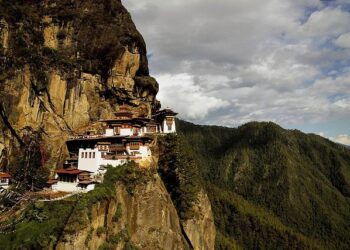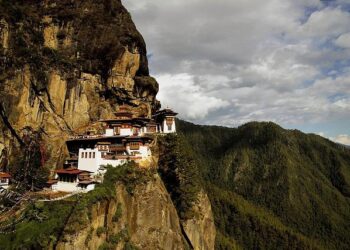
In a significant stride towards preserving the rich cultural tapestry of South Asia, Bhutan and Nepal have recently intensified their heritage site management efforts under the guidance of UNESCO. These initiatives, aimed at safeguarding centuries-old monuments and landscapes, reflect a growing commitment to both conservation and sustainable tourism. As these Himalayan nations navigate the challenges of modernization and environmental pressures, their collaboration with UNESCO underscores the importance of protecting heritage sites that hold not only historical and spiritual value but also contribute to local livelihoods and regional identity. This article explores the latest developments in heritage management across Bhutan and Nepal, highlighting key projects, community involvement, and international support shaping the future of South Asia’s invaluable cultural landmarks.
Challenges in Preserving Bhutan and Nepal’s Heritage Sites Amidst Rising Tourism
Bhutan and Nepal face mounting pressure on their rich cultural landscapes as tourism inflows surge. The delicate balance between enhancing visitor experiences and preserving the integrity of heritage sites is increasingly tested. Key issues include overcrowding, environmental degradation, and the strain on local infrastructure. Additionally, the commercialization driven by tourism threatens to dilute the authenticity that makes these sites unique. Authorities grapple with enforcing regulations that can sometimes conflict with local economic interests dependent on tourist revenue.
Effective management strategies are being explored, emphasizing sustainable tourism models and community engagement. The challenge lies not only in protecting physical structures but also in safeguarding intangible cultural expressions from fading under mass tourism. Below is an overview of primary challenges and corresponding management priorities identified in recent UNESCO assessments:
| Major Challenges | Management Priorities |
|---|---|
| Visitor Overcapacity | Implementing visitor caps and reservation systems |
| Environmental Impact | Promoting eco-friendly travel and waste management |
| Infrastructure Strain | Upgrading local facilities without compromising heritage |
| Cultural Dilution | Empowering local communities to preserve traditions |
- Collaborative governance: Multi-stakeholder partnerships including governments, UNESCO, and local groups.
- Innovative funding: Leveraging tourism revenue for conservation projects.
- Education & Awareness: Enhancing visitor understanding of cultural significance.
UNESCO’s Role in Strengthening Cultural Conservation and Community Engagement
UNESCO has been pivotal in advancing preservation efforts across Bhutan and Nepal, targeting both tangible and intangible heritage. Their approach integrates modern conservation science with traditional knowledge systems to ensure the longevity of historical sites while respecting local customs. Through technical assistance and capacity building, UNESCO supports sustainable site management practices that empower local communities and heritage professionals alike.
Community engagement forms the cornerstone of these initiatives. UNESCO facilitates inclusive dialogues that bring together diverse stakeholders, including indigenous groups, artisans, and youth, strengthening their roles as custodians of their shared heritage. Critical strategies implemented include:
- Training programs on heritage management tailored for locals
- Development of community-led cultural tourism models
- Promotion of traditional craftsmanship through workshops and exhibitions
- Digital documentation to safeguard endangered practices and oral histories
| Key Heritage Site | Focus Area | Community Role | |||||||||||||||||||||||||||||||||||
|---|---|---|---|---|---|---|---|---|---|---|---|---|---|---|---|---|---|---|---|---|---|---|---|---|---|---|---|---|---|---|---|---|---|---|---|---|---|
| Bhaktapur Durbar Square | Architectural restoration | Local artisans’ training and involvement | |||||||||||||||||||||||||||||||||||
| Punakha Dzong | Fortress conservation | Caretaker families and monks collaboration | |||||||||||||||||||||||||||||||||||
| Changu Narayan Temple | Cultural
The text you provided is cut off at the end. Here’s a completion and summary based on the content you shared: UNESCO’s Role in Preserving Heritage in Bhutan and Nepal UNESCO has been instrumental in promoting the preservation of tangible and intangible heritage in Bhutan and Nepal by combining modern conservation techniques with traditional knowledge. Their efforts focus on:
Key Heritage Sites and Community Roles
Note: The row for Changu Narayan Temple ends abruptly in your snippet. Typically, its focus would involve cultural heritage preservation with community roles centered on local custodians and temple caretakers.* If you want me to help finish or expand this content, including the parts on Changu Narayan Temple or any other heritage sites, feel free to provide the missing information or let me know! Strategic Recommendations for Sustainable Heritage Management in South AsiaRecognizing the delicate balance between preservation and modern development, heritage management authorities in Bhutan and Nepal emphasize the adoption of community-driven conservation models. Empowering local stakeholders through education and sustainable tourism initiatives has shown promising results in maintaining cultural authenticity while boosting economic resilience. Integrating traditional knowledge systems with contemporary conservation technologies stands at the forefront of these initiatives, ensuring adaptive management that respects both heritage and ecological contexts. Furthermore, establishing clear regulatory frameworks supported by consistent funding mechanisms remains crucial. Key strategic actions include:
|