
Bhutan, often celebrated for its unique approach to development and environmental stewardship, presents a fascinating demographic profile that continues to evolve in the 21st century. As the Himalayan kingdom navigates the challenges of population growth, urbanization, and social change, understanding its population dynamics offers crucial insights into its future trajectory. This country profile, drawn from the latest data compiled by Our World in Data, provides an in-depth look at Bhutan’s population size, age structure, fertility rates, and migration trends, highlighting the key factors shaping the nation’s demographic landscape today.
Bhutan’s Population Trends Reveal Unique Demographic Challenges
Bhutan’s demographic landscape is marked by a steady urban migration juxtaposed against a predominantly rural population, which poses distinctive challenges for policymakers. While the overall population growth rate remains moderate, the concentration of younger generations in urban centers such as Thimphu is accelerating. This shift strains infrastructure and public services, demanding urgent investment in housing, healthcare, and education facilities. Meanwhile, rural areas face gradual depopulation, risking the erosion of traditional lifestyles and agricultural productivity that have long been the backbone of Bhutanese culture and economy.
Key demographic trends shaping Bhutan’s future include:
- Declining fertility rates leading to an aging population profile.
- Increasing life expectancy reaching over 70 years.
- Gender imbalance in certain age cohorts due to migration patterns.
- Emerging youth unemployment despite educational gains.
| Demographic Indicator | 2010 | 2020 | Projected 2030 |
|---|---|---|---|
| Population (millions) | 0.72 | 0.77 | 0.79 |
| Urban Population (%) | 24% | 33% | 42% |
| Median Age (years) | 26.5 | 29.1 | 32.7 |
| Fertility Rate (children per woman) | 2.5 | 1.9 | 1.7 |
Analyzing Urbanization and Migration Patterns in Bhutan
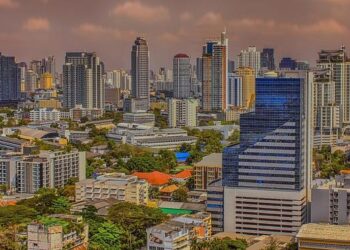
Bhutan has experienced a marked shift from rural to urban living over the past two decades, driven by both internal migration and development policies aimed at decentralization. The rise of urban centers such as Thimphu and Phuentsholing reflects broader socioeconomic transformations, including increased employment opportunities and better access to education and healthcare facilities. These urban hubs have become magnets for younger populations seeking improved living standards, resulting in a demographic tilt towards a more urbanized Bhutan.
Key drivers of migration include:
- Economic incentives linked to government and private sector jobs in urban areas
- Educational aspirations prompting youth relocations to cities with higher education institutions
- Infrastructure improvements facilitating easier mobility between rural and urban zones
| Year | Urban Population (%) | Rural Population (%) | Net Migration (thousands) | ||||
|---|---|---|---|---|---|---|---|
| 2000 | 17% | 83% | -2.1 | ||||
| 2010 | 23% | 77% |
| Year |
Urban Population (%) |
Rural Population (%) |
Net Migration (thousands) |
|
| 2000 | 17% | 83% | -2.1 | ||||
| 2010 | 23% | 77% | 0.9 | ||||
| 2020 | 32% | 68% | 3.4 |
### Summary:
– From 2000 to 2020, Bhutan’s urban population increased from 17% to 32%.
– Correspondingly, rural population declined from 83% to 68%.
– Net migration shifted from a net loss (-2.1 thousand in 2000) to positive
Policy Recommendations to Support Sustainable Population Growth
To foster a balanced demographic trajectory for Bhutan, several policy measures are essential. Encouraging family-friendly workplace policies such as flexible hours and parental leave can empower couples to confidently plan for children without sacrificing economic participation. Additionally, improving access to comprehensive reproductive health services and education is crucial to ensure informed family planning decisions, particularly in rural communities where healthcare infrastructure remains limited. These initiatives not only support population growth but also promote gender equality and better health outcomes.
Economic incentives can also play a significant role in shaping sustainable demographic trends. Targeted subsidies for childcare, housing support for young families, and investments in education infrastructure can alleviate the financial pressures associated with child-rearing. Below is a snapshot of proposed incentives aimed at sustaining population growth, designed to complement Bhutan’s unique socio-cultural context:
| Policy Intervention | Expected Impact |
|---|---|
| Childcare Subsidy Program | Increased workforce participation among parents |
| Affordable Housing Schemes | Higher rates of family formation and stability |
| Reproductive Health Outreach | Informed fertility choices & reduced health disparities |
| Education Expansion in Rural Areas | Long-term demographic resilience and skill development |
Final Thoughts
In conclusion, Bhutan’s unique demographic profile reflects its distinctive cultural heritage and development trajectory. As the country continues to navigate modernization while preserving its traditional values, understanding its population dynamics remains crucial for policymakers and researchers alike. Tracking trends in Bhutan’s population growth, age structure, and urbanization offers valuable insights into the challenges and opportunities that lie ahead. Our World in Data will continue to monitor these shifts, providing up-to-date information to shed light on Bhutan’s evolving demographic landscape.