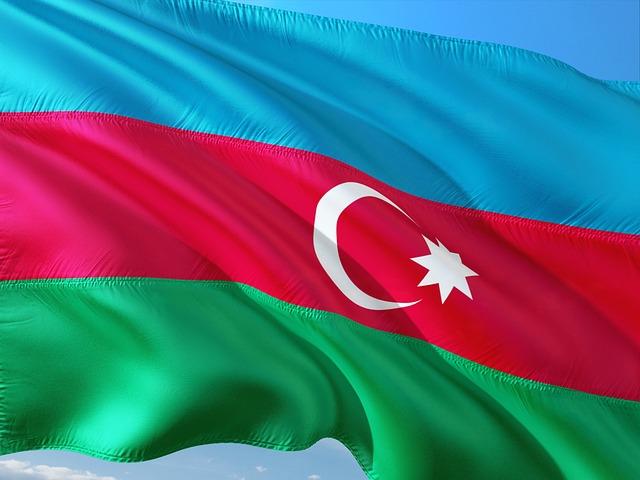
In a surprising turn in regional dynamics, Azerbaijan and Iran have noticeably stepped back from what once appeared to be an escalating confrontation. This shift marks a significant development in the South Caucasus, where historical tensions and geopolitical rivalry have frequently sparked friction. Analysts suggest that a combination of economic interests, strategic recalibrations, and external pressures has prompted both countries to pursue a more cautious and measured approach. This article explores the underlying factors that have steered Azerbaijan and Iran away from open hostility, highlighting the broader implications for regional stability and international diplomacy.
Azerbaijan and Iran Find Common Ground Amid Regional Tensions
In a region often marred by geopolitical discord, recent developments between Azerbaijan and Iran reveal a strategic pivot from confrontation toward collaboration. Both nations have recognized that enduring tension only exacerbates instability in the South Caucasus and beyond. Key economic interests, shared cultural ties, and mutual security concerns have emerged as compelling reasons for a recalibrated approach, emphasizing dialogue over discord. Notably, energy cooperation and cross-border trade have become focal points, fostering a pragmatic partnership that benefits both countries amidst a volatile regional environment.
Several factors underpin this thaw in relations, including:
- Economic interdependence: Expansion of bilateral trade and joint infrastructure projects bolster mutual growth.
- Security alignment: Coordinated efforts to combat regional extremism and smuggling enhance border stability.
- Cultural diplomacy: Continued engagement in cultural exchanges and people-to-people contacts build trust.
| Area | Recent Developments | Impact |
|---|---|---|
| Trade Volume | Increased by 15% in past year | Strengthens economies |
| Border Security | Joint patrol initiatives launched | Reduces illicit activities |
| Energy Cooperation | New gas pipeline negotiations | Enhances energy security |
Economic and Security Incentives Drive Diplomatic Thaw
The recent diplomatic thaw between Azerbaijan and Iran emerges largely from pragmatic assessments of mutual benefits in both economic and security arenas. Both nations, historically at odds, have recognized the increasing value in strengthened trade relations, energy cooperation, and enhanced regional stability. Azerbaijan’s expanding energy exports and Iran’s strategic location create complementary opportunities, encouraging cross-border investments and infrastructure projects. This evolution isn’t merely bilateral; it aligns with broader regional shifts where economic resilience is prioritized over conflict. Joint ventures in sectors such as transportation, natural gas pipelines, and border trade are becoming catalysts for reducing tensions.
Security concerns equally drive this rapprochement, as both countries face complex threats from extremist groups and external interference. Improved intelligence sharing and border management initiatives have been initiated to counteract smuggling, human trafficking, and militant transit. This cooperation symbolizes a shift toward coordinated security frameworks that enhance national interests while diminishing historical distrust. Below is a snapshot of the key economic and security incentives shaping this new chapter:
| Incentive Category | Description |
|---|---|
| Energy Collaboration | Development of shared pipelines and export routes |
| Trade Expansion | Facilitation of cross-border commerce and infrastructure |
| Security Coordination | Joint border patrols and intelligence exchange |
| Regional Stability | Reduction of proxy conflicts and external interference |
Strategies for Sustaining Long-term Cooperation and Stability
Achieving lasting peace between Azerbaijan and Iran hinges on a multifaceted approach centered around dialogue, mutual economic benefit, and cultural diplomacy. Both nations have recognized that long-term stability requires institutionalized communication channels that prevent misunderstandings from escalating into conflict. These frameworks not only facilitate swift conflict resolution but also promote transparency in border security and trade regulations. Moreover, joint economic projects – particularly in energy and transportation sectors – serve as tangible incentives for cooperation, weaving interdependency into the fabric of bilateral relations.
Beyond statecraft, fostering goodwill among peoples plays a crucial role in underpinning diplomatic progress. Cultural exchanges and grassroots initiatives have emerged as powerful tools to build trust, especially in regions where historical grievances persist. Key strategies include:
- Establishing cross-border cultural festivals to highlight shared heritage and diversity
- Encouraging academic collaboration between universities and think tanks
- Deploying community-driven economic zones to stimulate local development
| Strategy | Key Benefit | Potential Challenge |
|---|---|---|
| Regular Diplomatic Summits | Ensures ongoing dialogue | Political fluctuations |
| Joint Infrastructure Projects | Economic interdependence | Funding disparities |
| People-to-People Exchanges | Builds cultural understanding | Historical mistrust |
Concluding Remarks
In stepping back from the brink of confrontation, Azerbaijan and Iran have underscored a shared interest in regional stability amid complex geopolitical pressures. While underlying tensions remain, recent developments suggest a cautious recalibration aimed at avoiding escalating conflict. As both nations navigate a delicate balance between rivalry and cooperation, the international community will continue to watch closely, recognizing that sustained dialogue and strategic restraint are critical to maintaining peace in this volatile region.

![Azerbaijan and China discuss expanding strategic partnership [PHOTOS] – AzerNews](https://azia.news/wp-content/uploads/2026/05/214631-azerbaijan-and-china-discuss-expanding-strategic-partnership-photos-azernews-350x250.jpg)

![Azerbaijan’s Turkic strategy expands beyond culture into hard power [ANALYSIS] – AzerNews](https://azia.news/wp-content/uploads/2026/05/214032-azerbaijans-turkic-strategy-expands-beyond-culture-into-hard-power-analysis-azernews-350x250.jpg)