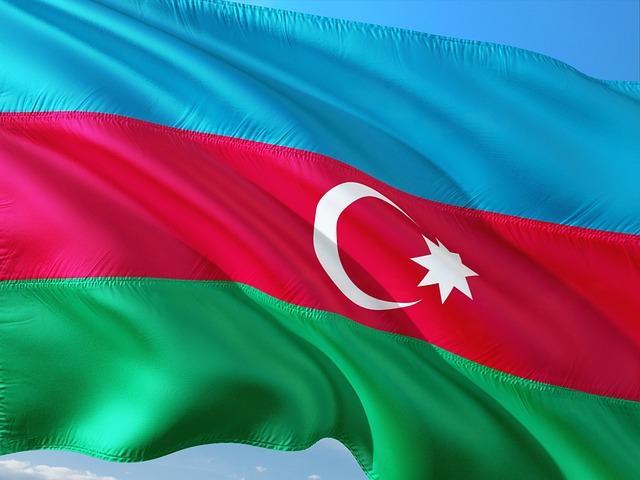
In a recent and deeply troubling development, Azerbaijan has reportedly demolished the Armenian Holy Mother of God Church located in Artsakh, according to a report by Hyperallergic. The destruction of this historic religious site not only marks a significant cultural loss but also exacerbates longstanding tensions in the region. This incident sheds light on the continuing challenges surrounding heritage preservation amid the complex geopolitical conflict between Armenia and Azerbaijan.
Azerbaijan Destroys Armenian Holy Mother of God Church in Artsakh Impact on Cultural Heritage and Regional Tensions
The recent demolition of the Holy Mother of God Church in Artsakh marks a significant loss for Armenian cultural heritage. This sacred site, a centuries-old symbol of Armenian identity and faith, was a repository of invaluable religious artifacts and intricate architectural craftsmanship. Its destruction not only erases a vital piece of history but also deepens the cultural divide within the already volatile region. Experts warn that such acts contribute to the irreversible erasure of minority heritage, undermining efforts to promote coexistence and mutual respect between Armenian and Azerbaijani communities.
Beyond the cultural ramifications, this event has exacerbated regional tensions, fueling distrust and hostility. Human rights organizations have condemned the act as a deliberate attempt to undermine Armenian presence in Artsakh, which may destabilize ongoing peace negotiations. The following table highlights key impacts associated with the church’s destruction:
| Impact Area | Details |
|---|---|
| Cultural Loss | Irretrievable destruction of Armenian religious heritage |
| Political Tension | Increased friction between Armenia and Azerbaijan authorities |
| Community Impact | Heightened fears among local Armenian populations |
| International Response | Calls for accountability and cultural protection measures |
- Preservation advocates stress the immediate need for international cultural safeguarding.
- Political analysts warn that destroying heritage sites fuels cycles of retaliation.
- Local Armenians view the act as an assault on their identity and history.
International Reactions and Calls for Preservation of Religious Sites in Conflict Zones
The destruction of the Holy Mother of God Church in Artsakh has drawn immediate and widespread condemnation from international organizations and religious communities alike. UNESCO, the United Nations, and various human rights groups have issued statements urging Azerbaijan to respect and protect cultural heritage sites, emphasizing that such acts not only erase physical landmarks but also devastate the cultural and spiritual identity of communities. Several countries have called for urgent inspections by neutral observers to assess the damage and prevent further irreparable losses.
Global religious leaders have also voiced profound concern, urging preservation and dialogue to safeguard sacred sites in active conflict zones. The following urgent measures have been proposed by advocacy groups:
- Establishment of international heritage protection zones around vulnerable religious sites.
- Deployment of unbiased peacekeepers or cultural preservation experts to monitor the condition of monuments.
- Creation of diplomatic channels specifically designed to negotiate preservation during periods of armed conflict.
| Organization | Statement | Recommended Action |
|---|---|---|
| UNESCO | Condemned destruction, highlights cultural loss | Call for immediate protection measures |
| UN Human Rights Council | Expressed concern over ethnic and cultural violence | Deploy monitoring missions |
| World Council of Churches | Called for interfaith dialogue and reconciliation | Support cultural preservation initiatives |
Strategies for Protecting Endangered Monuments Amid Ongoing Regional Disputes
International collaboration remains a cornerstone in safeguarding vulnerable cultural landmarks caught in the crossfire of regional conflicts. UNESCO and other heritage organizations must intensify monitoring and pressure on parties involved in such disputes, ensuring that destruction of monuments is recognized not merely as collateral damage but as a deliberate cultural erasure. Establishing buffer zones around heritage sites and deploying expert observers can help deter attacks. Furthermore, digital archiving and 3D modeling offer an innovative layer of protection, preserving the physical and artistic details of endangered structures for future restoration, law enforcement, and historical record keeping.
Effective preservation strategies also demand the inclusion of local communities and civil society in decision-making processes. Empowering these groups through education and access to resources fosters a stronger sense of ownership and responsibility toward endangered monuments. Additionally, enforcing legal frameworks across borders can be enhanced by building a shared database of at-risk cultural sites. The table below outlines some critical tactical approaches currently employed or recommended by experts in the field:
| Strategy | Description | Key Benefit |
|---|---|---|
| International Treaty Enforcement | Strengthening legal agreements to protect cultural heritage | Accountability for intentional damage |
| Community Engagement | Local stewardship and awareness campaigns | Sustainable, grassroots protection |
| Technological Documentation | 3D scanning and archival databases | Digital preservation & restoration aid |
| Conflict-Sensitive Zoning | Designating protected zones with international oversight | Physical buffer against armed actions |
Insights and Conclusions
The destruction of the Holy Mother of God Church in Artsakh marks a significant cultural and historical loss amid the ongoing conflict between Azerbaijan and Armenia. This act not only deepens the humanitarian and political crisis in the region but also raises urgent concerns over the protection of cultural heritage in conflict zones. As international observers call for accountability and preservation efforts, the destruction underscores the fragile state of peace and the enduring impact of the conflict on both communities.

![Azerbaijan and China discuss expanding strategic partnership [PHOTOS] – AzerNews](https://azia.news/wp-content/uploads/2026/05/214631-azerbaijan-and-china-discuss-expanding-strategic-partnership-photos-azernews-350x250.jpg)

![Azerbaijan’s Turkic strategy expands beyond culture into hard power [ANALYSIS] – AzerNews](https://azia.news/wp-content/uploads/2026/05/214032-azerbaijans-turkic-strategy-expands-beyond-culture-into-hard-power-analysis-azernews-350x250.jpg)