• About Us
  • Our Authors
  • Contact
  • Legal Pages
    • Privacy Policy
    • Terms of Use
    • DMCA
    • Cookie Privacy Policy
    • California Consumer Privacy Act (CCPA)
No Result
View All Result
Friday, June 5, 2026
Asia News
ADVERTISEMENT
  • Afghanistan
  • Armenia
  • Azerbaijan
  • Bahrain
  • Bangladesh
  • Bhutan
  • Brunei Darussalam
  • Cambodia
  • China
  • Cyprus
  • East Timor
  • Georgia
  • India
  • Indonesia
  • Iran
  • Iraq
  • Israel
  • Japan
  • Jordan
  • Kazakhstan
  • Kuwait
  • Kyrgyzstan
  • Lao PDR
  • Lebanon
  • Malaysia
  • Maldives
  • Mongolia
  • Myanmar
  • Nepal
  • North Korea
  • Oman
  • Pakistan
  • Philippines
  • Qatar
  • Saudi Arabia
  • Singapore
  • South Korea
  • Sri Lanka
  • State of Palestine
  • Syria
  • Taiwan
  • Tajikistan
  • Thailand
  • Turkey
  • Turkmenistan
  • United Arab Emirates
  • Uzbekistan
  • Vietnam
  • Yemen
No Result
View All Result
Asia News
No Result
View All Result

Inside the U.S. War in Afghanistan: A Deep Dive into Its Impact and Legacy

by Victoria Jones
May 16, 2026
in Afghanistan
The U.S. War in Afghanistan – Council on Foreign Relations
Share on FacebookShare on Twitter
ADVERTISEMENT

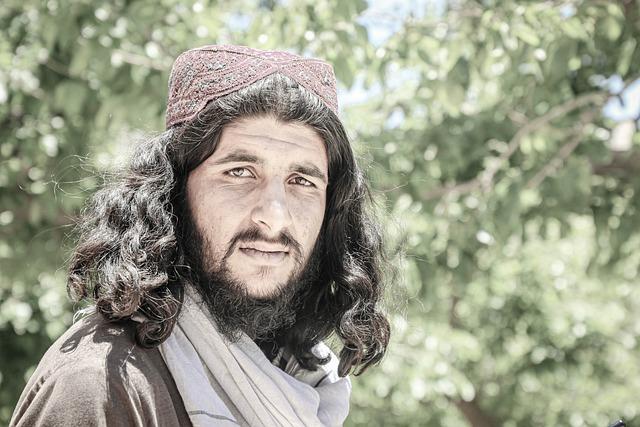
The U.S. war in Afghanistan, spanning two decades from 2001 to 2021, remains one of the longest and most complex conflicts in American history. Initiated in the aftermath of the September 11 attacks, the military intervention aimed to dismantle al-Qaeda and oust the Taliban from power. Despite significant investments in troops, resources, and nation-building efforts, the war’s outcomes have been widely debated. This article, informed by analysis from the Council on Foreign Relations, explores the key phases of the conflict, its strategic challenges, and the implications of the U.S. withdrawal for regional stability and global security.

Table of Contents

Toggle
  • Background and Strategic Objectives of the U.S. War in Afghanistan
  • Challenges and Outcomes of Two Decades of Military Engagement
  • Policy Recommendations for Future U.S. Involvement in Afghanistan
  • In Conclusion

Background and Strategic Objectives of the U.S. War in Afghanistan

The U.S. intervention in Afghanistan began as a direct response to the September 11, 2001 terrorist attacks orchestrated by al-Qaeda, which was harbored by the Taliban regime. The primary mission was to dismantle terrorist networks and prevent Afghanistan from serving as a safe haven for extremist groups. Over time, the scope of the operation expanded beyond counterterrorism, aiming to stabilize the country politically and build institutions capable of supporting democracy and growth. The complexity of Afghanistan’s tribal dynamics, coupled with regional geopolitics, shaped a protracted conflict marked by shifting alliances and persistent insurgency.

Key strategic objectives defined the mission throughout its duration:

  • Eliminate al-Qaeda’s presence and leadership within Afghanistan
  • Remove the Taliban from power to disrupt terror safe havens
  • Support the establishment of a legitimate Afghan government
  • Promote security sector reforms and counterinsurgency capabilities
  • Foster economic development and infrastructure reconstruction
Year Strategic Focus Milestone
2001-2003 Initial invasion & Taliban ousting Fall of Kabul
2004-2008 Reconstruction & governance New Afghan constitution
2009-2014 Troop surge & counterinsurgency Kunduz offensive
2015-2021 Transition & withdrawal planning Bagram airbase handover

Challenges and Outcomes of Two Decades of Military Engagement

Two decades of U.S. military involvement in Afghanistan presented a complex web of challenges that proved difficult to surmount. Among these obstacles were the difficult terrain and the elusive nature of insurgent groups, which leveraged local knowledge to their advantage. The U.S. faced persistent issues such as:

  • Fragmented political alliances within Afghanistan’s government
  • Resilient Taliban insurgency supported by cross-border sanctuaries
  • Complications from regional geopolitical dynamics involving Pakistan and Iran
  • Persistent civilian casualties that eroded local support and fueled anti-American sentiment

These factors combined to make establishing lasting security and governance a Sisyphean task for coalition forces.

Despite these formidable challenges, the two decades yielded measurable outcomes, though often mixed in nature. The initiative succeeded in dismantling Al-Qaeda’s Afghanistan base and bolstered the country’s institutional frameworks, including sectoral reforms in education and women’s rights. However, the rapidly changing security landscape by 2021 highlighted the fragility of many gains. The table below summarizes key indicators reflecting the progression and setbacks during the engagement:

Indicator 2001 2021 Remarks
U.S. Troop Levels ~0 ~2,500 Peak presence in 2011 exceeded 100,000
Girls in School < 1 million ~3.5 million Significant progress despite ongoing conflict
Taliban Controlled Territory Majority ~45% Regained strength post-2014 drawdown
Annual Civilian Casualties Data sparse ~10,000+ High toll impacting public opinion

Policy Recommendations for Future U.S. Involvement in Afghanistan

Moving forward, U.S. engagement in Afghanistan should prioritize sustainable diplomacy over direct military intervention. Emphasizing robust partnerships with regional actors and multilateral organizations can help stabilize the region while limiting American troop deployments. This approach requires enhancing intelligence-sharing frameworks and increasing humanitarian aid targeted at infrastructure and education, especially for women and marginalized communities.

Additionally, adopting a flexible policy framework will be essential to respond dynamically to developments on the ground. Key recommendations include:

  • Conditional economic support: Tie financial aid to measurable progress in governance and human rights improvements.
  • Counterterrorism focus: Maintain a limited footprint aimed exclusively at preventing extremist resurgence without deep nation-building efforts.
  • Expanded diplomatic channels: Engage in inclusive peace talks that involve local power brokers, tribal leaders, and civil society representatives.
  • Regional security cooperation: Strengthen ties with Pakistan, Iran, and Central Asian states to create a comprehensive security architecture.
Policy Element Primary Goal Expected Outcome
Conditional Economic Support Promote Governance Reforms Improved Transparency & Accountability
Counterterrorism Operations Prevent Terror Group Resurgence Enhanced Regional Security
Diplomatic Engagement Inclusive Peace Process Reduced Internal Conflict
Regional Security Cooperation Collaborative Border Management Decreased Cross-Border Militancy

In Conclusion

The U.S. war in Afghanistan remains one of the most complex and consequential conflicts in recent American history. As the nation continues to grapple with its legacy, questions about the effectiveness of military intervention, nation-building efforts, and the long-term implications for U.S. foreign policy persist. The Council on Foreign Relations’ comprehensive analysis provides crucial insights into the strategic challenges and lessons learned from nearly two decades of engagement, underscoring the importance of informed debate as the United States redefines its role on the global stage.


Tags: Afghan conflictAfghanistanAfghanistan ConflictAfghanistan WarCouncil on Foreign RelationscounterterrorismDefense PolicyForeign Policyinternational relationsMiddle EastMilitary ConflictMilitary Interventionpeace processSouth AsiaTalibanU.S. governmentU.S. MilitaryU.S. War in Afghanistanwar impactwar legacywar on terror

Denial of responsibility! asia-news.biz is an automatic aggregator around the global media. All the content are available free on Internet. We have just arranged it in one platform for educational purpose only. In each content, the hyperlink to the primary source is specified. All trademarks belong to their rightful owners, all materials to their authors. If you are the owner of the content and do not want us to publish your materials on our website, please contact us by email – [email protected].. The content will be deleted within 24 hours.
ADVERTISEMENT
Previous Post

Climate Change Threatens Hundreds of Millions with Intensifying Pre-Monsoon Heatwaves in South Asia

Next Post

Canada to Send Election Observers to Armenia Amid Concerns Over Democratic Backslide

Victoria Jones

A science journalist who makes complex topics accessible.

Related Posts

Marine Officer Built AI Trust Tool After Deadly Insider Attack in Afghanistan – Military.com
Afghanistan

How a Marine Officer Created an AI Trust Tool Following a Deadly Insider Attack in Afghanistan

June 3, 2026
China won battle for key UN Afghanistan role, report finds – Amu TV
Afghanistan

China Secures Crucial Victory for Key UN Role in Afghanistan, Report Reveals

May 31, 2026
Afghanistan War | History, Casualties, Combatants, Facts, & Timeline – Britannica
Afghanistan

Inside the Afghanistan War: Key Facts, Timeline, Combatants, and Casualties Revealed

May 27, 2026
Firoza Ibrahimkhel Nijrabi: Hasht-e Subh is part of the collective memory of the people – Hasht-e Subh Daily
Afghanistan

Firoza Ibrahimkhel Nijrabi: Hasht-e Subh Lives On in the Collective Memory of the People

May 23, 2026
Pakistan says military operation against Afghanistan-based ‘terrorist’ proxies ongoing – Arab News PK
Afghanistan

Pakistan Confirms Ongoing Military Operation Against Afghanistan-Based ‘Terrorist’ Proxies

May 19, 2026
UNAMA: 372 Civilians Killed and 397 Injured in Pakistani Attacks on Afghanistan – Hasht-e Subh Daily
Afghanistan

Devastating Toll: 372 Civilians Killed and 397 Injured in Pakistani Attacks on Afghanistan

May 12, 2026
ADVERTISEMENT
Thailand: ICJ Co-Hosts Parliamentary Seminar on Anti-SLAPP Reform – The International Commission of Jurists – ICJ
Thailand

Thailand Hosts Parliamentary Seminar on Groundbreaking Anti-SLAPP Reform

by Caleb Wilson
June 3, 2026
0

Thailand proudly co-hosted a dynamic parliamentary seminar on anti-SLAPP reform alongside the International Commission of Jurists (ICJ), driving forward stronger...

Read moreDetails
How Taiwan’s Asus plans to export its AI blueprint to the world – Euronews

How Taiwan’s Asus Aims to Share Its AI Blueprint with the World

June 3, 2026
Atef Najib faces at least 10 charges in landmark Syria trial – Al Jazeera

Atef Najib Faces Over 10 Charges in Groundbreaking Syria Trial

June 3, 2026
Singapore will oppose any steps by Israel to undermine two-state solution; to reconsider Palestine position if situation deteriorates – CNA

Singapore Vows to Oppose Moves Undermining Two-State Solution, May Reconsider Palestine Stance if Situation Worsens

June 3, 2026
Sri Lanka stuns with 100-bp rate hike as Iran war rattles currency, fuels inflation – Reuters

Sri Lanka Shocks Markets with 100 Basis Point Rate Hike Amid Iran Conflict and Surging Inflation

June 3, 2026
South Korea ruling party sweeps most seats in local elections but faces losing Seoul – Reuters

South Korea’s Ruling Party Dominates Local Elections but Risks Losing Seoul

June 3, 2026
Singapore: RIMAS partners with IRM to strengthen risk management – Asia Insurance Review

Singapore’s RIMAS Joins Forces with IRM to Boost Risk Management Excellence

June 3, 2026
First Wild Onager Birth Recorded in Saudi Arabia in 100 Years – cairoscene.com

After a Century, Saudi Arabia Celebrates the First Wild Onager Birth

June 3, 2026
This Is What Happens When the Gas Runs Out – The New York Times

Here’s What Really Happens When the Gas Runs Out

June 3, 2026
The basketball-crazed Philippines will have a champion when these NBA Finals are over – The Killeen Daily Herald

The Basketball-Crazed Philippines Is Set to Celebrate a New NBA Champion After the Finals

June 3, 2026

Categories

Archives

June 2026
M T W T F S S
1234567
891011121314
15161718192021
22232425262728
2930  
« May    

Tags

Asia (1717) AsiaNews (1071) Asia Pacific (435) bilateral relations (374) Central Asia (740) China (685) Conflict (498) Conflict Resolution (459) diplomacy (1511) diplomatic relations (381) economic development (596) Economic Growth (351) economic impact (309) Foreign Policy (948) geopolitical tensions (308) Geopolitics (1192) governance (359) human rights (802) India (504) international relations (3238) international trade (400) investment (505) Iran (361) Israel (464) Japan (355) Middle East (1323) news (740) Pakistan (338) Politics (380) Regional Cooperation (326) Regional Security (353) regional stability (517) Reuters (384) security (433) South Asia (459) Southeast Asia (1163) South Korea (310) sports (371) sports news (605) sustainable development (338) Thailand (321) tourism (468) trade relations (356) travel (447) Trump (314)
  • About Us
  • Best Asian Daily Information Website
  • Blog
  • California Consumer Privacy Act (CCPA)
  • Contact
  • Cookie Privacy Policy
  • DMCA
  • Our Authors
  • Privacy Policy
  • SiteMap
  • Terms of Use

© 2024 https://azia.news/

No Result
View All Result
  • About Us
  • Best Asian Daily Information Website
  • Blog
  • California Consumer Privacy Act (CCPA)
  • Contact
  • Cookie Privacy Policy
  • DMCA
  • Our Authors
  • Privacy Policy
  • SiteMap
  • Terms of Use

© 2024 https://azia.news/

No Result
View All Result
  • About Us
  • Best Asian Daily Information Website
  • Blog
  • California Consumer Privacy Act (CCPA)
  • Contact
  • Cookie Privacy Policy
  • DMCA
  • Our Authors
  • Privacy Policy
  • SiteMap
  • Terms of Use

© 2024 https://azia.news/

This website uses cookies. By continuing to use this website you are giving consent to cookies being used. Visit our Privacy and Cookie Policy.
Go to mobile version

1 - 2 - 3 - 4 - 5 - 6 - 7 - 8