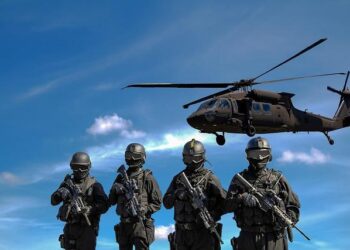
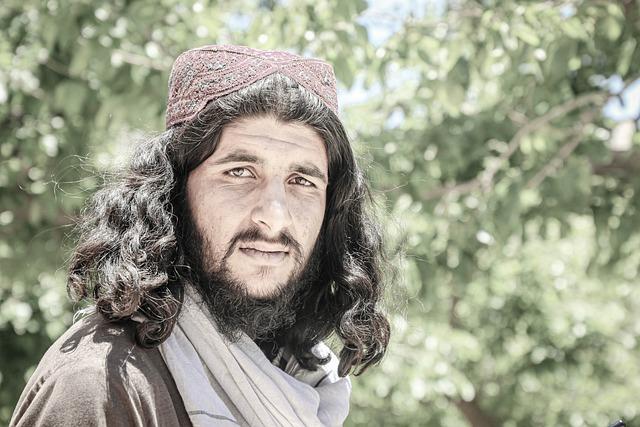
The Afghanistan War, a prolonged and complex conflict that has reshaped global geopolitics, remains a focal point of international discussion and analysis. Spanning over two decades, this war involved a multitude of combatants, significant casualties, and a series of pivotal events that collectively influenced the course of modern history. In this article, we delve into the comprehensive history of the Afghanistan War, examining the key combatants, the human toll, critical facts, and a detailed timeline of major developments. Drawing on authoritative sources, including Britannica, we aim to provide a clear and insightful overview of one of the most consequential conflicts of the 21st century.
Afghanistan War Origins and Key Combatants Explored
The protracted conflict in Afghanistan traces back to the late 1970s, triggered by the Soviet Union’s invasion in 1979. This incursion aimed to support the communist government against growing insurgent resistance but instead ignited a decade-long guerrilla war. Various Afghan factions united under the Mujahideen banner, receiving substantial support from the United States, Pakistan, and Saudi Arabia. The collapse of Soviet forces in 1989 did not end instability; it instead paved the way for a brutal civil war among competing warlords. By 1996, the Taliban, an Islamist militant group, seized control of Kabul, establishing a regime with strict religious law enforcement.
Key combatants involved over the decades included a complex array of actors:
- Soviet Armed Forces: Engaged from 1979 to 1989 attempting to sustain a pro-communist government.
- Mujahideen Groups: Various factions receiving external aid to resist Soviet occupation.
- Taliban Movement: Emerged in the 1990s, enforcing harsh Sharia law until the 2001 U.S-led invasion.
- U.S. and NATO Allies: Launched military operations post-9/11 targeting Al-Qaeda and Taliban forces.
- Afghan Government and Security Forces: Supported by international partners for stabilization efforts.
| Combatant | Role | Period of Involvement | |||||||||||||||||||||||
|---|---|---|---|---|---|---|---|---|---|---|---|---|---|---|---|---|---|---|---|---|---|---|---|---|---|
| Soviet Union | Invaders supporting communist regime | 1979-1989 | |||||||||||||||||||||||
| Analyzing Casualty Figures and Humanitarian Impact
The Afghanistan conflict resulted in a staggering loss of life and widespread humanitarian suffering. Estimates suggest that over 100,000 civilians lost their lives during the course of hostilities, many caught in crossfire or targeted in attacks. The toll on combatants was equally severe, with combined military and insurgent fatalities estimated at over 50,000. Beyond the immediate casualties, millions were displaced internally or forced to flee as refugees, creating one of the largest humanitarian crises of the 21st century. Infrastructure destruction severely impeded access to basic services such as healthcare, clean water, and education, aggravating the vulnerability of affected populations. Several factors contributed to the complex humanitarian situation:
Lessons Learned and Strategic Recommendations for Future EngagementsThe conflict in Afghanistan revealed critical insights into the complexities of prolonged foreign military engagement in asymmetric warfare environments. One key lesson underscored the necessity of understanding local socio-political dynamics and cultural nuances before and during intervention. Success relied heavily on diplomatic channels and alliances with indigenous forces rather than mere military presence. Additionally, the war demonstrated that technological superiority alone could not secure lasting peace or political stability. Strategies focusing on counterinsurgency needed to be complemented by robust nation-building efforts, including governance reforms, economic development, and social cohesion initiatives. Future military and diplomatic engagements must prioritize comprehensive planning informed by past experience. Recommendations include:
In SummaryThe Afghanistan War remains one of the most complex and consequential conflicts of the early 21st century, marked by shifting alliances, prolonged combat, and significant human cost. As the world reflects on its history, casualties, and key events, the lessons learned from this war continue to influence international policy and military strategy. Understanding the full scope of the Afghanistan conflict is essential to grasping its impact on global relations and the ongoing quest for stability in the region. Denial of responsibility! asia-news.biz is an automatic aggregator around the global media. All the content are available free on Internet. We have just arranged it in one platform for educational purpose only. In each content, the hyperlink to the primary source is specified. All trademarks belong to their rightful owners, all materials to their authors. If you are the owner of the content and do not want us to publish your materials on our website, please contact us by email – [email protected].. The content will be deleted within 24 hours. ADVERTISEMENT Related PostsThailand Hosts Parliamentary Seminar on Groundbreaking Anti-SLAPP ReformThailand proudly co-hosted a dynamic parliamentary seminar on anti-SLAPP reform alongside the International Commission of Jurists (ICJ), driving forward stronger... Read moreDetails         |