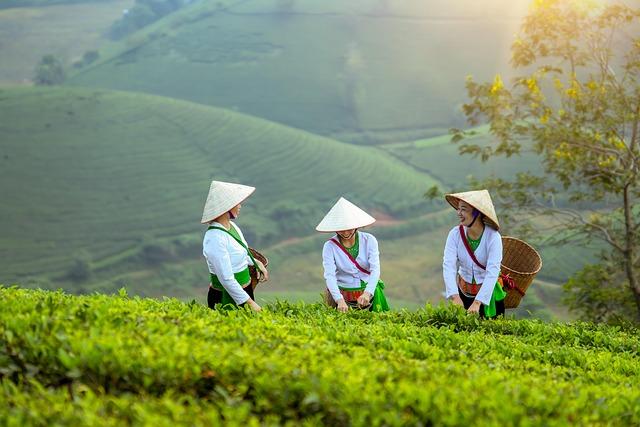
Vietnam has solidified its position as the world’s second-largest coffee producer, further establishing itself as a global powerhouse in robusta coffee production. According to the latest data, the Southeast Asian nation has not only expanded its output but also strengthened its foothold in the international coffee market. As demand for robusta beans continues to grow, Vietnam’s coffee industry is playing an increasingly pivotal role in meeting global consumption trends, underscoring the country’s vital contribution to the coffee supply chain.
Vietnam Strengthens Global Position as Second Largest Coffee Producer
Vietnam’s coffee industry continues to soar, solidifying its role as the globe’s second-largest coffee producer, trailing only Brazil. The nation’s dominance is largely attributed to its robusta variety, prized for its strong flavor and higher caffeine content, which appeals to international markets seeking cost-effective alternatives to arabica beans. In recent years, innovative agricultural techniques and government-backed initiatives have enhanced productivity and sustainability, enabling farmers to meet growing global demand without compromising quality.
Key factors behind Vietnam’s ascendancy include:
- Expanded cultivation areas in the Central Highlands
- Modernized processing methods to improve bean quality
- Increased export volumes targeting emerging coffee markets
- Strong governmental support through subsidies and research investments
| Year | Coffee Production (million bags) | Global Ranking |
|---|---|---|
| 2018 | 27.5 | 2 |
| 2020 | 29.8 | 2 |
| 2023 | 31.2 | 2 |
Robusta Coffee Drives Economic Growth and Export Expansion
Vietnam’s robusta coffee industry has become a cornerstone of the nation’s economic landscape, fueling both rural livelihoods and national revenue growth. The country’s expansive plantations have not only provided employment to millions but have also encouraged the development of ancillary sectors such as processing, packaging, and logistics. Smallholder farmers, who constitute the majority of coffee growers, benefit from increased access to global markets thanks to government-led initiatives and private sector partnerships aimed at improving yield quality and sustainability practices.
Export figures illustrate a remarkable trajectory with robusta coffee accounting for over 95% of Vietnam’s coffee shipments abroad. Key export destinations include:
- European Union – a major consumer of instant coffee and blends
- United States – growing demand in specialty coffee markets
- China and Japan – expanding consumer bases with a taste for Vietnamese robusta’s bold profile
| Year | Robusta Export Volume (tons) | Revenue (million USD) |
|---|---|---|
| 2021 | 1,600,000 | 3,200 |
| 2022 | 1,750,000 | 3,475 |
| 2023 | 1,850,000 | 3,720 |
Strategic Investments and Sustainable Practices Key to Future Market Leadership
Vietnam’s rise as a global coffee giant has been fueled by strategic investments in both modern farming techniques and processing infrastructure. Leading producers and exporters have amplified efforts to enhance yield quality, leveraging advanced agronomy research and digital monitoring systems to optimize crop production. This proactive approach not only boosts volume but also ensures a more consistent standard, making Vietnamese robusta coffee highly competitive on the international stage. Furthermore, partnerships between government bodies and private stakeholders have accelerated innovation hubs and training programs, equipping farmers with cutting-edge knowledge to maintain Vietnam’s stronghold in global coffee markets.
Equally significant is the country’s pivot towards sustainable practices that address environmental challenges and market demand for ethically produced goods. These initiatives encompass integrated pest management, water conservation techniques, and investment in organic fertilizers-all designed to reduce the ecological footprint of coffee plantations. Vietnam’s commitment is also evident in compliance with globally recognized certifications such as Rainforest Alliance and UTZ. The table below illustrates key sustainable metrics achieved by major Vietnamese coffee cooperatives in recent years:
| Year | Water Usage Reduction | Pesticide Use Decrease | Certified Farms (%) |
|---|---|---|---|
| 2021 | 15% | 12% | 30% |
| 2022 | 22% | 18% | 45% |
| 2023 | 28% | 25% | 60% |
In Conclusion
As Vietnam continues to strengthen its position as the world’s second-largest coffee producer, its dominance in robusta coffee remains unmistakable. With favorable climate conditions, expanding cultivation areas, and strategic investments in the sector, the country is poised to maintain and potentially grow its foothold in the global coffee market. Industry experts suggest that Vietnam’s robusta-centric approach not only supports its domestic economy but also plays a critical role in meeting rising global demand for this distinctive coffee variant. As challenges such as climate change and market fluctuations persist, Vietnam’s adaptability and commitment will be key factors shaping the future of its coffee industry on the global stage.