Central Asia is making significant strides in renewable energy development with the advancement of the Kambarata HPP-1 hydropower project. This ambitious initiative aims to harness the region’s abundant water resources to bolster energy security and support economic growth. As construction accelerates, the Kambarata project stands out as a pivotal effort to meet rising electricity demands while promoting sustainable energy solutions across Central Asia.
Central Asia Advances Kambarata HPP 1 Hydropower Project to Boost Regional Energy Security
Central Asia is making significant strides in enhancing its energy infrastructure with the accelerated development of the Kambarata Hydropower Plant-1 (HPP-1). Positioned as a cornerstone for regional energy stability, this ambitious project aims to harness the vast hydropower potential of the region’s major rivers. Upon completion, Kambarata HPP-1 is expected to add over 1,200 MW of clean, renewable energy to the grid, helping to reduce dependence on fossil fuels and curb carbon emissions. The initiative is a collaborative effort involving multiple Central Asian nations, highlighting a growing commitment to sustainable growth and mutual energy security.
Key benefits projected from the project include:
- Enhanced energy cooperation between neighboring countries
- Stabilized electricity supply during seasonal demand fluctuations
- Boost to local economies through job creation and infrastructure development
- Improved water management supporting agriculture and flood control
| Project Feature | Details |
|---|---|
| Installed Capacity | 1,200 MW |
| Expected Completion | 2028 |
| Main Beneficiary Countries | Kyrgyzstan, Kazakhstan, Uzbekistan |
| Funding Sources | Regional partnerships + international investment |
Engineering Challenges and Environmental Considerations in the Kambarata HPP 1 Development
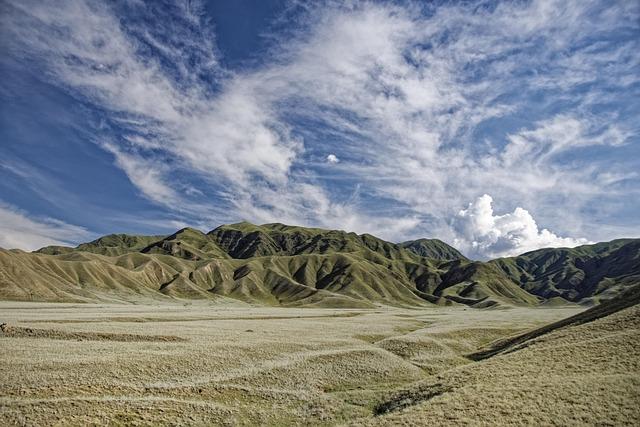
The Kambarata HPP-1 project, set to become a cornerstone of Central Asia’s renewable energy infrastructure, faces formidable engineering obstacles due to the region’s rugged terrain and seismic activity. Constructing a dam and associated hydropower facilities at such high altitudes demands innovative design approaches to ensure structural integrity and operational efficiency. Engineers must also contend with limited access roads and logistical constraints, requiring the use of advanced tunneling techniques and modular construction methods to expedite progress while maintaining safety standards. The integration of cutting-edge equipment aims to maximize generation capacity despite the project’s challenging environmental conditions.
Environmental stewardship remains a central focus throughout the project lifecycle. The development team is actively engaged in comprehensive impact assessments to mitigate risks to local biodiversity and downstream water systems. Key environmental measures include:
- Water flow regulation to preserve aquatic habitats and prevent disruption to fish migration patterns.
- Reforestation initiatives to offset land disturbance from construction activities.
- Continuous monitoring of sediment transport and water quality.
| Environmental Concern | Mitigation Strategy |
|---|---|
| Fish migration disruption | Fish ladders and bypass systems |
| Soil erosion | Terracing and replanting |
| Water quality | Regular sampling and treatment |
Strategic Recommendations for Stakeholders to Ensure Sustainable Progress and Regional Cooperation
To maximize the benefits of the Kambarata HPP-1 hydropower project while mitigating potential risks, stakeholders must prioritize coordinated policy frameworks that encourage transparency and resource-sharing. Establishing joint management committees comprising representatives from Kyrgyzstan, Kazakhstan, Uzbekistan, and Tajikistan can facilitate real-time dialogue and swift conflict resolution. Emphasizing environmentally responsible practices is equally vital; adopting advanced monitoring technologies will ensure sustainable water usage and ecosystem protection. Moreover, leveraging international financial institutions can secure investment while promoting adherence to global standards on social and environmental governance.
Key strategic actions for long-term success include:
- Implementing adaptive water management protocols to accommodate seasonal fluctuations and climate uncertainties
- Promoting cross-border infrastructure linkages to optimize regional energy distribution and grid resilience
- Encouraging knowledge-sharing platforms among Central Asian research institutes and hydrology experts
- Engaging local communities to ensure socio-economic benefits are equitably distributed and potential displacement impacts are minimized
| Stakeholder | Recommended Focus | Expected Outcome |
|---|---|---|
| Governments | Unified water resource policies | Conflict mitigation & sustainable resource use |
| Investors | ESG-compliant financing | Long-term viability & reputational gains |
| Local Communities | Inclusive participation & benefit-sharing | Social stability & local empowerment |
The Conclusion
As Central Asia advances the ambitious Kambarata HPP-1 hydropower project, the region moves closer to securing a more sustainable and self-reliant energy future. With its strategic significance and potential to bolster economic growth, the project underscores Central Asia’s commitment to harnessing renewable resources amid rising energy demands. While challenges remain, the successful progression of Kambarata HPP-1 will likely serve as a critical milestone in the region’s broader efforts to enhance energy cooperation and regional integration.