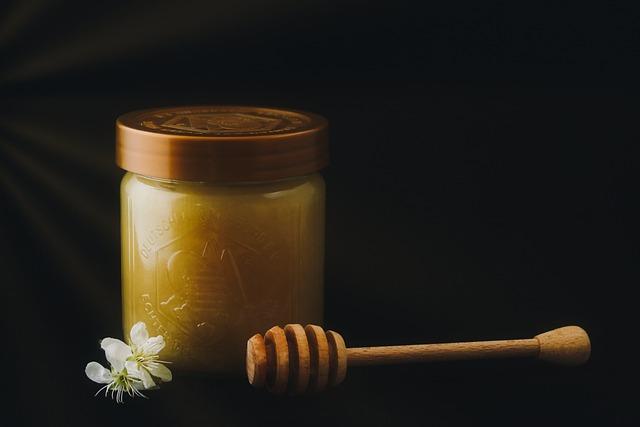
Turkey, one of the world’s leading honey producers, is facing a growing challenge as counterfeit honey products flood both domestic and international markets. According to a recent report by Nikkei Asia, the proliferation of fake honey is threatening the reputation and livelihoods of Turkish beekeepers, while raising concerns over food safety and consumer trust. Industry stakeholders and authorities are now grappling with how to tackle this surge in adulterated products amid increasing global demand for natural and authentic honey.
Turkey’s Honey Industry Faces Surge in Counterfeit Products Undermining Market Trust
Turkey, renowned for its rich beekeeping tradition and as one of the world’s leading honey exporters, is now confronting a growing crisis as counterfeit honey products flood the market. These fake goods, often mixed with cheap syrups and additives, not only jeopardize the reputation of Turkish honey but also threaten the livelihoods of thousands of local beekeepers. Industry experts warn that the inability to effectively police the supply chain and verify product authenticity has shaken consumer confidence both domestically and abroad, casting a shadow over what was once a booming export sector.
Efforts to tackle this surge involve multi-pronged strategies, including the deployment of advanced authentication technologies and stricter regulatory measures. Stakeholders emphasize the need for:
- Improved traceability systems ensuring every bottle of honey can be tracked from hive to shelf.
- Enhanced cooperation between government agencies and private industry players.
- Consumer education campaigns highlighting the risks of counterfeit products.
- Investment in laboratory testing to detect adulteration swiftly.
| Key Factor | Impact on Industry | Proposed Solution |
|---|---|---|
| Counterfeit Adulteration | Reduced Product Value & Trust | Advanced Chemical Analysis |
| Supply Chain Gaps | Unverified Source Claims | Blockchain Traceability |
| Weak Regulatory Enforcement | Proliferation of Fake Labels | Stricter Inspections & Penalties |
Government and Producers Collaborate to Strengthen Quality Control and Certification Measures
In response to the increasing prevalence of counterfeit honey products flooding the market, Turkish authorities have intensified efforts to safeguard the integrity of their renowned honey industry. Key government agencies have joined forces with local producers to implement stricter quality control protocols, ensuring that every jar labeled as “Turkish honey” meets rigorous authenticity standards. This collaboration has introduced comprehensive measures, including advanced laboratory testing and traceability systems, designed to prevent adulteration and protect consumers from substandard or fake goods.
The initiative focuses on several core strategies:
- Certification Programs: Expansion of official quality certifications to cover more producers and regions.
- Market Surveillance: Regular inspections of retail and wholesale outlets to detect fraudulent products early.
- Producer Training: Workshops and training sessions to promote best practices in beekeeping and honey processing.
- Public Awareness Campaigns: Educating consumers about how to recognize genuine Turkish honey.
| Measure | Responsible Entity | Expected Impact |
|---|---|---|
| Laboratory Testing | Ministry of Agriculture | Accurate detection of adulterants |
| Digital Traceability | Producers’ Association | Enhanced product origin transparency |
| Certification Expansion | Quality Control Board | Wider coverage of authentic products |
| Consumer Education | Government & NGOs | Improved buyer vigilance |
Experts Call for Consumer Awareness Campaigns to Combat Fake Honey Infiltration
Industry specialists emphasize that tackling the surge of counterfeit honey requires more than strict regulations-it demands a robust consumer education drive. Many consumers, unaware of the distinguishing factors between pure and fake honey, often fall victim to adulterated products that not only undermine genuine producers but also pose health risks. Experts advocate for nationwide campaigns highlighting key indicators of authentic honey, such as flavor profiles, viscosity, and trusted certification labels.
To aid consumers in making informed choices, specialists suggest the following practical tips:
- Check the label: Verify origin and certifications like organic or geographic indications.
- Perform simple home tests: such as the water solubility test and flame test to hint at purity.
- Buy from reputable sources: Prefer local beekeepers and established brands.
| Indicator | Pure Honey | Fake Honey |
|---|---|---|
| Solubility in Water | Usually does not dissolve immediately | Dissolves quickly |
| Viscosity | Thick and sticky | Thin and watery |
| Crystallization | Occurs naturally over time | Rare or artificially induced |
To Wrap It Up
As Turkey continues to solidify its position as a leading honey producer on the global stage, the rise of counterfeit products poses a significant challenge to its industry’s integrity and economic prospects. Stakeholders are calling for stricter regulations, enhanced quality controls, and greater consumer awareness to combat the surge in fake honey that threatens both domestic markets and export reputation. How Turkey navigates this issue will be critical in maintaining trust and sustainability in one of its most cherished agricultural sectors.