
Central Asia Series | Tajikistan: The Roof of the World – Poorest of the Soviet Heirs, Richest in Mountains and Resilience
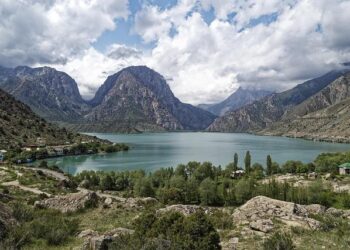
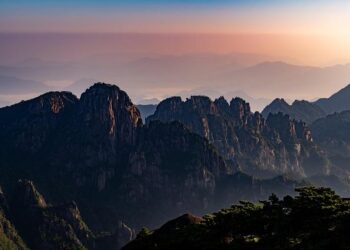
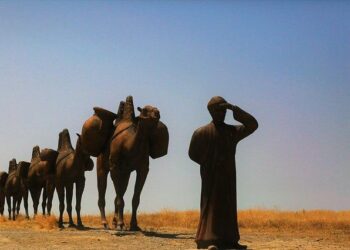
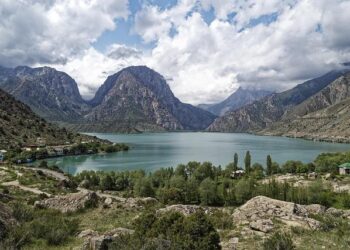
Nestled high in the rugged heart of Central Asia, Tajikistan stands as a land of stark contrasts. Once a part of the Soviet Union’s sprawling empire, it is now the region’s poorest successor state, grappling with economic challenges and development hurdles. Yet, despite its material hardships, Tajikistan boasts some of the world’s most breathtaking mountainous landscapes and a population renowned for its remarkable resilience. This installment of The Standard’s Central Asia series delves into the complex legacy of Tajikistan, exploring how history, geography, and culture converge to shape a nation often described as “the roof of the world.”
Tajikistan’s Economic Struggles Amidst Post-Soviet Transition
Tajikistan’s economy has faced a turbulent journey since the dissolution of the Soviet Union, struggling to shake off the legacy of centralized planning and inadequate infrastructure. Despite abundant natural resources, including vast water reserves and mineral wealth, economic development has been hampered by political instability, civil conflict during the 1990s, and limited foreign investment. The country’s GDP growth remains fragile, heavily reliant on remittances from migrant workers abroad-primarily in Russia-which account for nearly 30% of the national income. This dependence creates vulnerabilities to external shocks, such as economic downturns or geopolitical tensions, further exacerbating the nation’s precarious economic position.
- Limited industrial diversification: The economy primarily revolves around agriculture, aluminum production, and hydropower, with few developments in technology or manufacturing sectors.
- Infrastructure challenges: Poor transportation links and energy shortages hinder trade and domestic development.
- Social impact: Unemployment and poverty rates remain high, especially in rural mountain regions.
| Economic Indicator | 2023 Estimate | Remarks |
|---|---|---|
| GDP Growth Rate | 4.3% | Slowed due to external market shocks |
| Unemployment | 11.5% | Higher in rural mountainous areas |
| Remittances (% of GDP) | 29% | Primary foreign income source |
| Inflation | 9.2% | A challenge for basic goods affordability |
Harnessing Mountain Resources for Sustainable Growth
The vast mountain ranges of Tajikistan, often hailed as the “roof of the world,” harbor untapped potential that could redefine the nation’s economic landscape. Beyond their daunting peaks and rugged terrain lie critical resources such as hydropower, minerals, and medicinal plants, each offering avenues for sustainable development. Hydropower projects, for instance, capitalize on the region’s abundant rivers and glaciers, generating clean energy that not only reduces reliance on fossil fuels but also helps address persistent energy shortages domestically and in neighboring countries.
Strategic investment in these natural assets is coupled with communities’ deep-rooted knowledge and adaptive practices, making resilience a cornerstone of growth. Policymakers and environmental groups emphasize a balanced approach that includes:
- Community-led resource management to ensure equitable benefits and local stewardship
- Eco-tourism initiatives that promote conservation while creating jobs
- Innovative mineral extraction methods minimizing ecological footprint
| Resource | Estimated Potential | Impact |
|---|---|---|
| Hydropower | 5270 MW | Energy independence, export opportunities |
| Minerals (Gold, Silver) | Significant deposits | Revenue generation with sustainable mining |
| Flora (Medicinal Plants) | High biodiversity | Health industry and traditional medicine |
Building Resilience Through Community Empowerment and Infrastructure Investment
In the rugged terrains of Tajikistan, resilience takes root not only in the enduring spirit of its people but also through strategic investments that transform vulnerabilities into opportunities. Local communities, often isolated by harsh geography, are increasingly empowered by grassroots initiatives aimed at sustainable development. These programs focus on enhancing local governance, providing educational access, and promoting climate-adaptive agriculture, creating a foundation where social fabric and economic potential strengthen hand-in-hand. Community-led projects are proving vital in reversing patterns of outmigration and fostering a sense of ownership, proving that empowerment is a catalyst for long-term stability.
Equally critical is the focus on infrastructure development that addresses both immediate needs and future challenges. Investment in roads, irrigation systems, and renewable energy sources not only bolsters connectivity but also stimulates economic activity across remote districts. The government’s prioritization of resilient infrastructure aims to mitigate natural disaster risks, particularly floods and landslides, which have historically destabilized rural livelihoods. Below is a snapshot of key infrastructure projects implemented in 2023:
| Project | Region | Impact |
|---|---|---|
| Mountain Road Revamp | Khatlon | Improved access, reduced travel time by 40% |
| Solar Microgrid Installation | Gorno-Badakhshan | Power supply to 15 villages |
| Irrigation Network Upgrade | Sughd | Enhanced crop yields by 30% |
- Community training on disaster preparedness
- Microfinance schemes to support local entrepreneurs
- Collaborations with NGOs for health and education initiatives
Future Outlook
As Tajikistan continues to navigate the complexities of post-Soviet transition, its towering mountain landscapes remain both a challenge and a symbol of enduring resilience. Despite facing economic hardships as the poorest among the Soviet heirs, the nation’s rich natural heritage and steadfast spirit offer a foundation for future growth. In understanding Tajikistan, one gains not only a glimpse into the physical “roof of the world” but also into a society striving to rise above adversity, carving out its place in Central Asia’s evolving story.