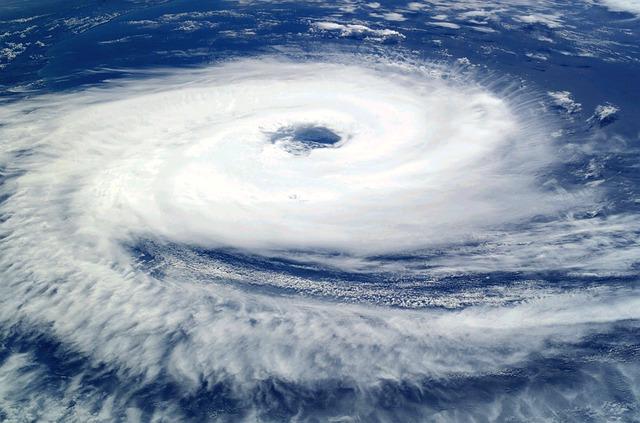
Cyclone Ditwah has unleashed devastating floods across Sri Lanka, marking the worst such event the island nation has experienced in decades. According to United Nations reports, the powerful storm has resulted in hundreds of fatalities, widespread displacement, and extensive damage to infrastructure. Emergency response teams are mobilizing to provide relief as communities grapple with the aftermath of one of the most severe natural disasters in recent history.
Cyclone Ditwah Devastates Sri Lanka with Unprecedented Flooding and Loss of Life
The southern and eastern regions of Sri Lanka have been left reeling after Cyclone Ditwah unleashed torrential rains and ferocious winds, triggering the worst flooding the island has seen in decades. Emergency services report that entire villages have been submerged, roads washed away, and thousands of families displaced. Critical infrastructure, including bridges and communication networks, has suffered extensive damage, complicating rescue operations.
Authorities confirmed the following impacts so far:
- Over 300 confirmed fatalities with numbers expected to rise
- More than 150,000 people evacuated to temporary shelters
- Disruption of electricity and water supply in affected districts
- Damage to agricultural lands risking food security
The United Nations humanitarian teams have mobilized swiftly, coordinating aid efforts alongside Sri Lankan agencies. Early assessments highlight urgent needs including clean water, food, medicine, and shelter materials. Local hospitals are overwhelmed, with many patients requiring urgent medical attention caused by injuries and waterborne diseases. The government has appealed internationally for support to address this rapidly escalating crisis.
| District | Estimated Affected Population | Flood Water Depth (meters) | Currently Accessible? |
|---|---|---|---|
| Hambantota | 45,000 | 2.5 | No |
| Ampara | 60,000 | 3.1 | Limited |
| Trincomalee | 35,000 | 1.8 | Yes |
Emergency Response Efforts Struggle Amid Widespread Infrastructure Damage and Displacement
In the wake of Cyclone Ditwah, rescue teams and humanitarian organizations face an uphill battle as critical transportation routes remain submerged or destroyed, severely hindering access to affected communities. Entire villages have been cut off due to collapsed bridges and clogged roadways, leaving thousands stranded without essential supplies. Emergency shelters are overwhelmed, with many lacking adequate sanitation and medical facilities. Volunteers and first responders are stretched thin, grappling with power outages and communication blackouts that further complicate coordination efforts.
The displacement of families has surged dramatically, with estimates indicating over 120,000 individuals forced to leave their homes. Aid distribution points are struggling to keep pace with demand, and local authorities warn that delays could exacerbate health risks and food insecurity. Relief agencies have prioritized the following critical needs:
- Clean water and sanitation supplies to prevent disease outbreaks
- Medical aid and mobile clinics to address injuries and emerging illnesses
- Temporary shelter materials for displaced families
- Emergency food rations to sustain communities cut off from regular markets
| Service | Status | Impact |
|---|---|---|
| Road Access | Severely Damaged | Delays exceeding 48 hours in aid delivery |
| Power Supply | Intermittent | Complicates emergency communications |
| Water Systems | Contaminated | Increased risk of waterborne diseases |
Experts Urge Strengthening Disaster Preparedness and Climate Resilience Strategies in Sri Lanka
The recent devastation caused by Cyclone Ditwah has once again highlighted the urgent need for Sri Lanka to enhance its disaster preparedness and climate resilience frameworks. Experts emphasize that the unprecedented scale of flooding, which claimed hundreds of lives and displaced thousands, is a stark reminder of the escalating climate risks the island nation faces. Strengthening early warning systems, improving infrastructure to withstand extreme weather events, and fostering community awareness are now critical priorities to mitigate future impacts.
Key recommendations put forward by specialists include:
- Investment in robust flood defense mechanisms along vulnerable river basins.
- Integration of climate risk assessments into national development plans.
- Expansion of emergency response training and localized disaster risk reduction programs.
- Enhanced coordination between governmental bodies, NGOs, and international climate agencies.
| Strategy | Expected Impact | Timeline |
|---|---|---|
| Advanced Early Warning Systems | Improved evacuation efficiency | 1-2 years |
| Flood-Resilient Infrastructure | Reduced property and livelihood loss | 3-5 years |
| Community Disaster Training | Increased public preparedness | Ongoing |
In Summary
As Sri Lanka begins the arduous task of recovery, the full extent of Cyclone Ditwah’s devastation is still unfolding. With hundreds confirmed dead and many more displaced, the need for swift humanitarian aid and coordinated response efforts remains critical. Authorities and international agencies continue to mobilize resources to assist affected communities, while experts warn that climate change may increase the frequency and severity of such extreme weather events in the region. The coming weeks will be pivotal as the nation grapples with rebuilding infrastructure, restoring livelihoods, and addressing the long-term impacts of one of the worst floods in decades.