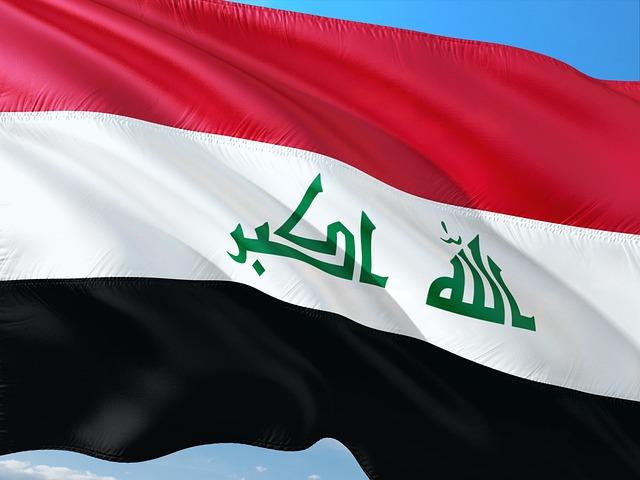
In a strategic move underscoring Tehran’s expanding influence in the region, Iraq and Pakistan have finalized significant energy agreements with Iran, sources told Reuters exclusively. These deals come as Iran asserts greater control over the vital Strait of Hormuz, a crucial chokepoint for global oil shipments. The accords signal deepening energy cooperation amid geopolitical tensions and growing economic pressures, positioning Tehran as a pivotal energy partner for its neighbors.
Iraq and Pakistan Secure Energy Agreements with Iran to Boost Regional Cooperation
In a significant move aimed at strengthening regional energy ties, Iraq and Pakistan have finalized a series of strategic agreements with Iran to secure vital energy supplies. These deals mark a deepening cooperation focused on natural gas imports and pipeline infrastructure development, positioning Tehran as a key energy hub in a geopolitically sensitive region. Experts note that this collaboration not only promises to stabilize energy costs for Baghdad and Islamabad but also enhances Tehran’s leverage over the strategically critical Strait of Hormuz, through which a substantial portion of global oil shipments transit.
Key components of the agreements include:
- Long-term natural gas supply contracts extending over the next decade
- Joint pipeline construction projects to facilitate gas transit directly into Iraq and Pakistan
- Energy infrastructure investment funds jointly administered to expedite project delivery
- Security cooperation to protect energy routes amid regional tensions
The agreements also underscore a strategic pivot toward regional self-reliance, reducing dependence on Western energy markets and sanctions-sensitive supply chains. A brief overview of the projected energy volumes is outlined below:
| Country | Annual Gas Volume (BCM) | Pipeline Length (KM) | Investment ($ Billion) |
|---|---|---|---|
| Iraq | 8 | 700 | 3.2 |
| Pakistan | 12 | 1,100 | 5.5 |
Iran Strengthens Strategic Leverage Over Strait of Hormuz Amid Rising Geopolitical Tensions
Tehran’s expanding influence is becoming increasingly evident as it finalizes energy agreements with neighboring Iraq and Pakistan, signaling a notable shift in regional dynamics. These deals not only diversify Iran’s economic partnerships but also strengthen its control over key maritime chokepoints. By leveraging its dominant position around the Strait of Hormuz, Iran is strategically positioned to impact global energy flows, especially at a time when geopolitical frictions in the Gulf are escalating. The cross-border collaborations highlight Tehran’s ambitions to solidify its role as an indispensable energy supplier, circumventing Western sanctions while cultivating alliances in a volatile environment.
The energy partnerships encompass a mix of crude oil exports, natural gas pipelines, and joint infrastructure projects, underscoring Tehran’s multifaceted approach to regional cooperation. Below is an overview of the core elements of the latest agreements:
- Oil Supply to Pakistan: Long-term shipments to ease Pakistan’s energy shortage amid rising import costs.
- Gas Pipeline to Iraq: Enhanced pipeline connectivity aimed at boosting Iraq’s electricity generation capacity.
- Joint Refinery Ventures: Plans to co-develop refining facilities to reduce dependency on Western imports.
| Country | Energy Resource | Estimated Value (USD) | Contract Duration |
|---|---|---|---|
| Pakistan | Crude Oil | 3 Billion | 5 Years |
| Iraq | Natural Gas | 2.5 Billion | 7 Years |
| Joint | Refinery Projects | 1.8 Billion | 10 Years |
Experts Recommend Enhanced Multilateral Dialogue to Stabilize Energy Supply and Maritime Security
In light of recent developments in the Persian Gulf, industry and geopolitical experts emphasize the critical need for reinforced multilateral discussions to ensure uninterrupted energy flows and secure maritime routes. The strategically important Strait of Hormuz remains a flashpoint where competing interests from regional powers demand a collaborative framework. Analysts argue that without open channels of communication and mutual agreements, the regional tensions may escalate, disrupting global energy markets and international trade.
Key proposals from energy and security specialists focus on the following core areas:
- Joint maritime patrols to deter hostile actions and protect commercial vessels.
- Establishment of an energy corridor security council comprising Gulf neighbors and international stakeholders.
- Enhanced intelligence-sharing mechanisms to monitor and respond to potential energy supply threats swiftly.
- Regular multilateral summits aimed at de-escalating tensions and promoting confidence-building measures.
| Proposed Initiative | Expected Outcome | Key Stakeholders |
|---|---|---|
| Joint Maritime Patrols | Reduced piracy and conflict risks | Iran, Iraq, Pakistan, Gulf States |
| Energy Corridor Security Council | Coordinated crisis management | OPEC, UN Security Council, GCC |
| Intelligence Sharing Platforms | Improved threat detection | Regional navies, intelligence agencies |
To Wrap It Up
As Iraq and Pakistan move forward with their new energy agreements with Iran, the deals underscore Tehran’s growing influence over the strategically vital Strait of Hormuz. Against a backdrop of regional tension and shifting alliances, these developments highlight Iran’s expanding role as a key energy supplier to its neighboring states. The implications of these partnerships will continue to unfold as geopolitical dynamics in the Middle East and South Asia evolve in the months ahead.