
In a significant policy shift, teh Maldives government has announced plans to expel migrant workers lacking biometric identification starting in April. This decision aims to enhance the country’s immigration control and strengthen the regulatory framework surrounding foreign labor. As the Maldives grapples with the complexities of a growing migrant workforce, authorities emphasize the need for comprehensive identification measures to ensure security and compliance with legal standards.The move raises important questions about the implications for thousands of migrant workers in the archipelago, who contribute considerably to various sectors, including tourism and construction. This article explores the rationale behind the decision, the potential impact on the migrant community, and the broader context of labor policy in the Maldives.
Maldives Implements Strict New Rule on Migrant Workers’ Identification
The Maldivian government has announced a significant policy shift aimed at regulating the status of migrant workers in the country. Starting April, all foreign laborers must present biometric identification to reside and work in the maldives. this initiative seeks to strengthen the government’s ability to monitor and manage the workforce, addressing concerns over illegal immigration and ensuring that all workers meet the necessary legal requirements for employment.The decision is expected to impact thousands of migrant workers,leading to stricter enforcement and possible expulsions for those unable to comply.
Under this new regulation, the government plans to implement a robust identification system that includes:
- Mandatory biometric registration for all migrant workers.
- Secure storage of biometric data to prevent identity theft.
- Collaboration with local businesses to ensure compliance.
- Awareness campaigns to inform workers about the new requirements.
As the deadline approaches, authorities have indicated that failure to register could result in immediate deportation, highlighting the urgency for compliance. This move emphasizes the Maldives’ commitment to creating a regulated labor market while also safeguarding the rights of its foreign workforce.

Understanding the Biometric Identification Requirement for Workers
The upcoming implementation of biometric identification for migrant workers in the Maldives marks a significant shift in the nation’s approach to labor regulations.As of April, all migrant workers will be required to possess valid biometric identification to maintain their legal status in the country. This requirement aims to enhance security, streamline the workforce verification process, and combat illegal employment practices. Failure to comply with this mandate will result in expulsion, emphasizing the government’s commitment to regulating the labor market and ensuring that all workers contribute to the local economy legally and transparently.
To better understand the implications of this new regulation, it is indeed essential to consider the key elements involved in the biometric identification process. Migrant workers must undergo specific procedures to obtain their biometric IDs, which include:
- Registration: Workers must provide personal details and valid identification documents.
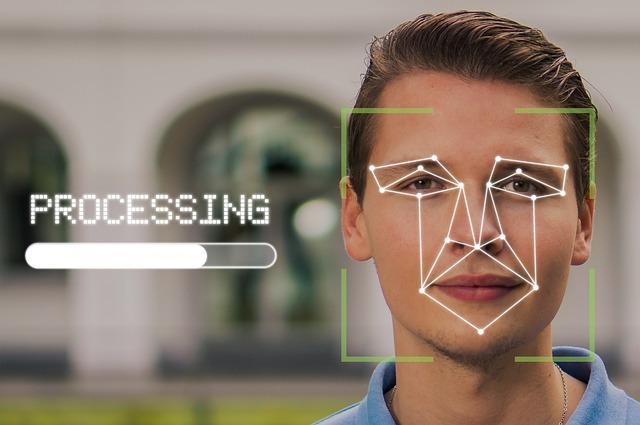
- Biometric data collection: This will typically involve fingerprinting and facial recognition.
- Verification: submitted data will be cross-referenced with government databases to ensure authenticity.
Along with obligating workers to acquire biometric identification, the government will need to invest in the necessary infrastructure to aid this transition and provide assistance to existing migrant workers who may face challenges in meeting these new standards.
Impact of the New Policy on the Local Economy and Labor Force
The recent policy mandating the expulsion of migrant workers lacking biometric identification is set to have significant repercussions on both the local economy and the labor market in the Maldives. First, this initiative might lead to a depletion of the workforce in sectors traditionally reliant on migrant labor, such as tourism and construction. With these industries already facing labor shortages, the sudden departure of unregistered workers could exacerbate operational challenges, increase labor costs, and ultimately result in inflated prices for goods and services. Local businesses may need to adapt quickly, either by increasing wages to attract local employees or investing in automation and efficiency improvements.
Moreover, the new regulation could foster a ➔ climate of uncertainty among the remaining migrant workforce, perhaps leading to reduced productivity and morale.As employers scramble to comply with the policy and secure appropriate biometric identifications, the stability and growth of businesses may falter. The government’s ability to enforce compliance could further influence market dynamics, making it crucial for stakeholders to consider the broader implications on job creation and socioeconomic stability.
| Sector Affected | Impact |
|---|---|
| Tourism | Labor shortages, increased prices |
| Construction | Operational challenges, cost escalation |
| Local services | Increased wages, need for training |

Human Rights Concerns Surrounding Expulsion of Undocumented Migrants
The recent announcement from the Maldives government regarding the expulsion of migrant workers lacking biometric identification has raised significant human rights concerns. Many experts argue that such measures could violate the rights of vulnerable populations, exacerbating the already precarious situation faced by undocumented migrants. As nations globally grapple with migration issues, it becomes crucial to recognize the inherent dignity and rights of these individuals, regardless of their legal status.
Key points of concern include:
- Due Process Violations: The absence of proper legal frameworks may lead to arbitrary detentions and expulsions.
- Risk of Discrimination: Marginalized groups could face disproportionate scrutiny, highlighting systemic biases within immigration policies.
- Impact on Families: Many migrants support families back home, risking severe economic hardship and social instability as deportations increase.
Moreover, the potential implementation of biometric systems poses additional ethical dilemmas. Critics argue that the focus on biometric identification may lead to:
| Concerns | Implications |
|---|---|
| Privacy Invasion | Increased surveillance and loss of personal data control for individuals. |
| Data Security | Vulnerability to hacking and misuse that could endanger migrants further. |
| Exclusion | Individuals without access to technology may be disproportionately affected. |
Recommendations for Migrant Workers and Employers in the Maldives
As the Maldives prepares to implement biometric identification for migrant workers, it is indeed essential for all parties involved to understand the implications of this system. Migrant workers should prioritize obtaining biometric identification, as it will be a prerequisite for continued employment in the country. To ensure compliance and avoid expulsion, they should:
- Engage with local authorities to gain insights into the request process.
- Keep necessary documents handy, including passports and work visas.
- Seek assistance from community organizations that support migrant rights.
- Educate themselves about their rights and responsibilities under the new regulations.
For employers, the transition to a biometric system also presents opportunities and challenges. It is indeed crucial for businesses to facilitate this transition for their workers to maintain a stable workforce. Employers should take the following steps:
- Provide data and resources about biometric identification to employees.
- Assist workers in navigating the application process and obtaining necessary documents.
- Implement clear internal policies regarding compliance with the new regulations.
- Foster a supportive habitat that encourages workers to voice concerns and seek help.
Future Implications for Immigration Policies in the Region
the Maldives’ decision to expel migrant workers lacking biometric identification signifies a substantial shift in regional immigration policies, provoking thoughts on the broader implications for labor migration across South Asia. this policy may lead to stricter enforcement measures and tighter regulations aiming to formalize the workforce while ensuring verification of identity. As the demand for skilled labor continues to rise, countries in the region may feel pressured to adopt similar biometric systems to maintain an organized and legally compliant workforce. Such a transition could foster both opportunities and challenges, compelling governments to balance between protecting national labor markets and safeguarding the rights of marginal workers.
Additionally, neighboring countries could see a ripple effect from this policy as increased enforcement may displace migrant workers seeking employment. In response, regional governments might need to consider implementing supportive measures such as the establishment of bilateral agreements and programs that ensure safe and legal migration. Points to consider include:
- Legal Frameworks: Developing comprehensive regulations that protect migrant rights.
- Collaborative Efforts: Enhancing partnerships between countries to streamline identification processes.
- Awareness Initiatives: Educating migrant communities about their rights and identification requirements.
| Country | Current Policy Status | Potential Response |
|---|---|---|
| Maldives | Mandatory biometric ID for workers | Increased enforcement and expulsion of undocumented workers |
| Bangladesh | Mostly informal labor migration | Potential push for bilateral agreements |
| India | Lose frameworks for migrant workers | Possible implementation of similar biometric ID systems |

Wrapping Up
the impending implementation of biometric identification for migrant workers in the Maldives signifies a pivotal shift in the nation’s approach to immigration and labor management. As the government prepares to enforce this policy starting in April, the potential expulsion of those lacking proper identification raises critical questions regarding human rights and economic implications. Stakeholders, including human rights advocates and labor organizations, will be closely monitoring the situation as it unfolds, emphasizing the need for a balanced approach that safeguards both the rights of migrant workers and the Maldives’ security interests. As this policy takes effect, it will be essential for the Maldivian authorities to ensure that all affected workers receive the necessary support and information to navigate this transition. The outcome of this initiative could have lasting effects on the country’s labor market and its international reputation for hospitality and human rights.