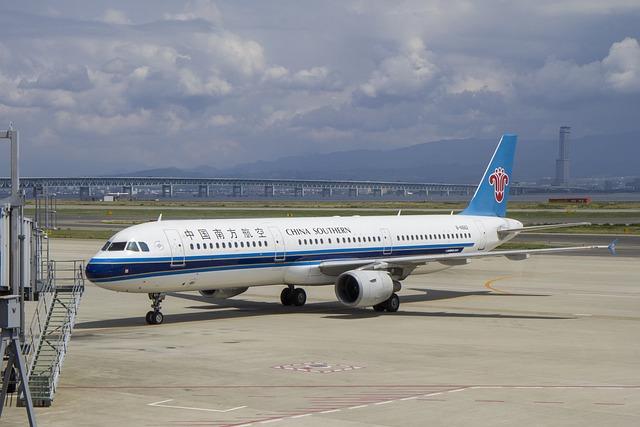
China Southern Airlines has officially denied any involvement in a recent passenger dispute that occurred on an AirAsia flight between China and Malaysia. The incident, which quickly attracted public attention and media coverage, prompted widespread speculation regarding the airline’s role. In a statement released today, China Southern Airlines clarified its position, distancing itself from the altercation and reaffirming its commitment to passenger safety and service. This development adds a new dimension to the unfolding story, as authorities continue to investigate the circumstances surrounding the flight disruption.
China Southern Airlines Responds to Passenger Dispute Allegations on AirAsia China Malaysia Flight
China Southern Airlines has officially denied any involvement with the recent passenger dispute reported on an AirAsia-operated flight between China and Malaysia. In a statement released earlier this week, the airline emphasized that it was not responsible for the incident, clarifying the situation amidst widespread speculation. The flight in question was under AirAsia’s management, and there is no operational or ownership link connecting China Southern Airlines to the passengers involved in the disagreement.
The airline highlighted several key points to address public confusion:
- China Southern Airlines does not operate the flight route associated with the dispute.
- The airline has no commercial partnership or code-share agreement with AirAsia on this specific service.
- All regulatory and customer service matters regarding the flight fall under AirAsia’s jurisdiction.
| Aspect | China Southern Airlines | AirAsia |
|---|---|---|
| Flight Operation | Not involved | Operator |
| Customer Jurisdiction | None | Full responsibility |
| Code-Share Partnership | No | Not applicable |
Examining the Details Behind the Inflight Conflict and Airline Responsibilities
In the wake of the onboard altercation during the AirAsia flight from China to Malaysia, various facets relating to airline accountability and passenger conduct have come under scrutiny. Airlines, while responsible for ensuring passenger safety and comfort during flights, operate within a framework that balances security enforcement with individual rights. In this incident, China Southern Airlines promptly distanced itself from any involvement, emphasizing that the flight was strictly operated by AirAsia and that the passenger in question bore no affiliation with their airline. This distinction is crucial in upholding corporate transparency and preventing reputational damage caused by misunderstandings.
Key Points on Responsibilities and Protocols:
- Airline Role: Maintaining safety, coordinating with in-flight crew, and liaising with authorities if disputes escalate.
- Passenger Obligations: Adhering to onboard regulations and cooperating with crew instructions to avoid conflict.
- Incident Handling: Proper documentation, separating involved parties, and clear communication are essential for de-escalation.
| Aspect | China Southern Airlines | AirAsia |
|---|---|---|
| Flight Operation | Not involved | Primary operator |
| Passenger Affiliation | Denied connection | Passenger onboard |
| Responsibility | None relating to incident | Accountable for onboard management |
Recommendations for Handling Passenger Disputes to Enhance Safety and Customer Relations
Effectively managing passenger disputes is crucial for maintaining onboard safety and fostering positive customer relations. Airlines should consider implementing proactive communication strategies that train cabin crew to recognize early signs of tension and defuse conflicts before they escalate. Additionally, creating clear protocols for handling disruptive behavior, including discreet intervention and, when necessary, involving security personnel, ensures a consistent and professional approach. Transparency with passengers during and after such incidents also helps rebuild trust and demonstrate accountability.
To support crew members, airlines can utilize technology-driven tools such as conflict tracking systems and real-time reporting apps. These tools enable quick documentation and assessment of incidents, facilitating timely responses and informed decisions. The following table summarizes best practices that can be adopted by airlines worldwide:
| Best Practice | Purpose | Benefit |
|---|---|---|
| De-escalation Training | Equip crew with conflict resolution skills | Reduces escalation and improves passenger experience |
| Clear Reporting Protocols | Standardize incident documentation | Ensures accountability and actionable follow-up |
| Passenger Communication | Inform affected parties transparently | Builds customer trust post-incident |
- Regular staff briefings on recent disputes to share lessons learned.
- Collaboration with legal and security teams to clarify responsibilities.
- Feedback mechanisms enabling passengers to voice concerns calmly.
In Retrospect
In summary, China Southern Airlines has officially denied any involvement with the passenger at the center of the dispute on the AirAsia flight between China and Malaysia. The airline emphasized that the individual was not associated with their services, distancing themselves from the incident as investigations continue. Authorities on both sides are reportedly reviewing the matter to determine the full circumstances behind the altercation. Further updates are expected as more information becomes available.