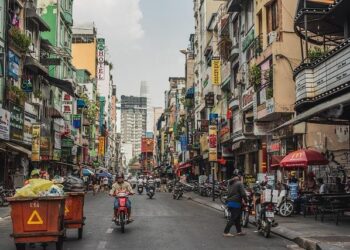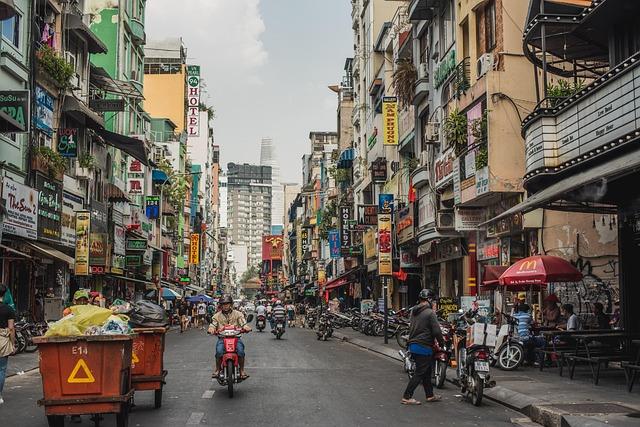
The World Bank has launched a significant initiative aimed at tackling environmental challenges in the Lao People’s Democratic Republic (Lao PDR) through its Pollution and Waste Management Project. This ambitious program seeks to address rising pollution levels and inefficient waste disposal practices that have increasingly threatened the country’s natural ecosystems and public health. By supporting infrastructure development, enhancing regulatory frameworks, and promoting sustainable waste management practices, the project represents a critical step forward in Lao PDR’s efforts to foster a cleaner, healthier environment for its population. Stakeholders are optimistic that this collaboration will not only mitigate current environmental risks but also pave the way for long-term ecological resilience and sustainable development.
Lao PDR Pollution Challenges Demand Urgent Strategic Interventions
The rapid urbanization and industrial growth in Lao PDR have intensified environmental pressures, leading to escalating pollution levels that threaten both public health and biodiversity. Key pollutants include untreated industrial effluents, plastic waste, and air contaminants from increasing vehicular emissions. Without immediate and well-planned interventions, these challenges risk undermining the country’s sustainable development goals and burdening vulnerable communities with adverse health impacts.
Addressing these critical issues requires a multi-pronged approach characterized by:
- Strengthening regulatory frameworks to enforce pollution control and waste management standards.
- Investing in modern waste treatment infrastructure to improve recycling and reduce landfill dependency.
- Enhancing public awareness campaigns to promote environmentally responsible behaviors.
- Collaborating with international partners like the World Bank to mobilize technical and financial support.
| Pollution Source | Impact Area | Priority Intervention |
|---|---|---|
| Industrial Waste | Water Bodies | Effluent treatment plants |
| Plastic Waste | Urban & Rural Areas | Community recycling programs |
| Vehicular Emissions | Urban Air Quality | Emission standard enforcement |
World Bank’s Comprehensive Approach to Waste Management in Lao PDR
The World Bank is spearheading a multi-faceted initiative aimed at transforming waste management practices across Lao PDR. This approach focuses on strengthening institutional capacities, promoting sustainable recycling methods, and enhancing infrastructure to reduce environmental pollution. A key component includes community engagement programs designed to raise awareness on proper waste segregation and disposal, ensuring that local populations become active participants in safeguarding their environment.
Key strategies under this initiative include:
- Establishing modern waste treatment facilities in urban centers
- Providing technical assistance to local governments for better waste collection services
- Encouraging the adoption of circular economy principles among businesses and industries
- Implementing data-driven monitoring systems to track waste generation and management efficiency
| Focus Area | Target Outcome | Timeline |
|---|---|---|
| Infrastructure Upgrade | Waste treatment capacity increased by 40% | 2024-2026 |
| Community Engagement | 70% awareness increase on waste segregation | 2023-2025 |
| Policy & Regulation | New waste management bylaws enacted | 2023 |
Recommendations for Sustainable Environmental Practices and Community Engagement
Empowering local communities remains a cornerstone for advancing environmental sustainability in Lao PDR. Grassroots involvement ensures that waste management initiatives are not only culturally appropriate but also more resilient. Encouraging community-led recycling programs, awareness campaigns, and participatory decision-making can significantly reduce pollution at its source. Additionally, fostering partnerships between local governments, NGOs, and residents helps build trust and promotes shared responsibility for maintaining cleaner environments.
Integrating eco-friendly technologies with traditional knowledge offers practical pathways toward reducing environmental impact. Key strategies include:
- Adopting composting techniques to minimize organic waste in landfills.
- Implementing waste segregation schemes to facilitate efficient recycling and reuse.
- Promoting clean energy solutions such as solar-powered waste treatment facilities.
| Practice | Community Role | Environmental Benefit |
|---|---|---|
| Waste Segregation | Sorting at source | Reduced landfill waste |
| Organic Composting | Home and community participation | Improved soil quality |
| Clean Energy Use | Local training & maintenance | Lower carbon emissions |
In Retrospect
As Lao PDR continues to grapple with the environmental challenges posed by rapid development, the World Bank’s Pollution and Waste Management Project represents a critical step toward a cleaner and more sustainable future. By supporting improved waste infrastructure and promoting pollution control measures, the initiative aims to protect public health and preserve the country’s rich natural heritage. While significant hurdles remain, the project’s progress signals a growing commitment from both the government and international partners to address pollution and waste management issues head-on, setting the stage for long-term environmental resilience in Lao PDR.