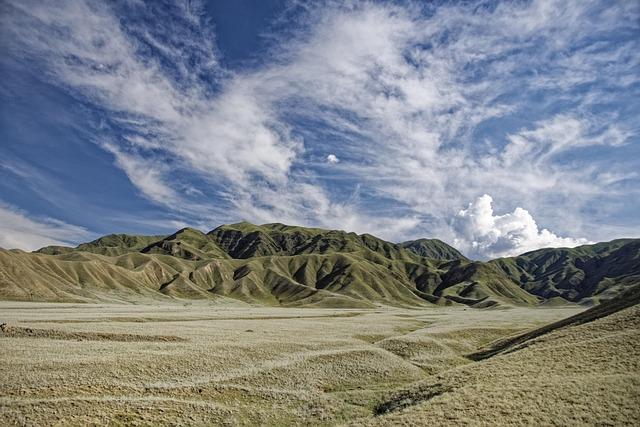
Kyrgyzstan is exploring the possibility of introducing nuclear power as part of its long-term energy strategy, with discussions reportedly progressing with Russia’s state-owned nuclear corporation, Rosatom. As energy demands grow and the country seeks to diversify its power sources, officials are weighing the benefits and challenges of developing nuclear infrastructure. This move signals a potential shift in Kyrgyzstan’s energy policy, raising questions about regional cooperation, safety standards, and environmental impact. The ongoing talks mark a significant development in Central Asia’s evolving energy landscape.
Kyrgyzstan Explores Nuclear Energy Potential Amid Growing Demand for Clean Power
Kyrgyzstan is intensifying its discussions with Russia’s state nuclear corporation, Rosatom, to assess the feasibility of developing nuclear power plants within its borders. Faced with increasing energy demands and a national commitment to reduce carbon emissions, the Central Asian nation sees nuclear energy as a strategic alternative to traditional fossil fuels and hydropower, which have limitations due to seasonal variability. Officials emphasize that such a move could not only secure a steady supply of electricity but also enhance regional energy security and economic growth.
The government is currently evaluating several key factors in these talks, including:
- Environmental impact assessments to ensure nuclear operations align with sustainable development goals.
- Energy infrastructure upgrades required to support nuclear plant integration.
- Workforce training programs to build local expertise in nuclear technology.
- Financial frameworks and investment plans that balance upfront costs with long-term benefits.
| Projected Nuclear Capacity | Estimated Completion | Carbon Emission Reduction |
|---|---|---|
| 1200 MW | 2032 | 25% |
| 2400 MW (Phase 2) | 2040 | 45% |
Rosatom Negotiations Signal Strategic Shift in Central Asia’s Energy Landscape
Kyrgyzstan’s ongoing discussions with Russian state nuclear corporation Rosatom mark a significant pivot towards diversifying its energy mix beyond traditional hydropower and fossil fuels. As the country confronts seasonal energy shortages and seeks sustainable alternatives, the proposed collaboration could introduce nuclear technology to Central Asia’s energy matrix for the first time. This strategic engagement is driven by Kyrgyzstan’s ambitions to meet growing power demands and reduce dependency on energy imports, potentially transforming the nation’s long-term energy security outlook.
Key benefits highlighted in early talks include:
- Stable energy supply to mitigate seasonal fluctuations impacting hydropower generation.
- Lower carbon emissions aligning with global climate goals and regional environmental commitments.
- Economic growth potential via new infrastructure development and skilled employment opportunities.
While logistical and regulatory hurdles remain, Kyrgyzstan’s move towards nuclear energy could reposition Central Asia within regional power dynamics, leveraging Rosatom’s experience to navigate complex technological and safety standards. The evolving partnership signals a broader trend of post-Soviet states reevaluating energy strategies amid geopolitical and climate pressures.
| Aspect | Current Status | Projected Impact |
|---|---|---|
| Energy Source Mix | 70% Hydropower, 25% Fossil Fuels, 5% Imports | Introduction of 10-15% Nuclear by 2030 |
| Carbon Emissions | High Seasonal Variability | Reduction by up to 20% |
| Energy Security | Moderate, dependent on imports | Significantly enhanced |
Experts Advocate for Rigorous Safety Standards and Sustainable Development Policies
Amid advancing negotiations between Kyrgyzstan and Russia’s Rosatom, industry specialists and environmental advocates have emphasized the necessity for stringent safety protocols to govern any prospective nuclear initiatives. Experts highlight the region’s unique seismic activity, urging that any nuclear infrastructure must integrate cutting-edge earthquake-resistant technology and robust emergency response systems to mitigate potential risks. This cautionary approach aims to allay public concerns while ensuring compliance with international nuclear safety standards.
In parallel, call for sustainable development strategies that balance energy demands with environmental preservation have gained momentum. Stakeholders propose a comprehensive framework that includes:
- Transparent environmental impact assessments
- Community engagement and education campaigns
- Investment in renewable energy alongside nuclear development
| Aspect | Proposed Measures | Expected Outcome |
|---|---|---|
| Safety Monitoring | Real-time seismic sensors | Early detection of tremors |
| Environmental Oversight | Independent audits | Reduced ecological footprint |
| Community Involvement | Public forums and workshops | Enhanced transparency and trust |
The Conclusion
As Kyrgyzstan continues to deliberate the potential integration of nuclear energy into its power grid, discussions with Russia’s Rosatom mark a significant step towards diversifying the country’s energy portfolio. While the prospect offers opportunities for economic growth and energy security, it also raises critical questions about environmental impact and regional geopolitical dynamics. The evolution of these talks will be closely watched, not only within Central Asia but also by the international community, as Kyrgyzstan weighs the benefits and risks of embracing nuclear power in the years ahead.