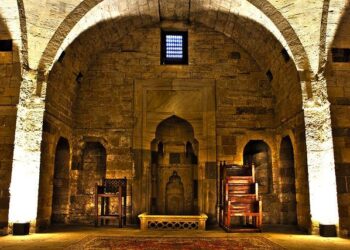

The Informal Summit of the Organization of Turkic States convened this week in Turkistan, Kazakhstan, bringing together leaders from member countries to discuss regional cooperation and strategic initiatives. Marking a significant moment for the Türk Devletleri Teşkilatı, the gathering focused on enhancing political, economic, and cultural ties among Turkic-speaking nations. As the organization seeks to deepen integration and address shared challenges, the summit highlighted key projects and future directions aimed at strengthening solidarity across Central Asia and beyond.
Informal Summit in Turkistan Strengthens Cultural and Economic Ties Among Turkic States
The informal gathering in Turkistan marked a pivotal moment as leaders from the Turkic States engaged in open dialogue emphasizing deepening cultural bonds and expanding economic cooperation. Discussions focused on collaborative projects aimed at promoting tourism, preserving shared heritage, and fostering youth exchange programs. This summit reaffirmed a commitment to unity through cultural appreciation, showcasing initiatives like joint festivals and the digitization of historical archives. Delegates highlighted the importance of leveraging their common linguistic and historical roots to bolster a collective identity in the global arena.
On the economic front, the summit advanced tangible agreements designed to enhance trade routes and investment flows across member states. Key topics included:
- Development of cross-border infrastructure to facilitate smoother logistics
- Establishment of a Turkic States Business Council to promote regional entrepreneurship
- Joint efforts in technology innovation and energy collaboration
To provide a snapshot of economic dynamics, the table below highlights recent trade volumes and projected growth among selected Turkic countries:
| Country | Trade Volume (2023, $B) | Projected Growth (%) |
|---|---|---|
| Kazakhstan | 45 | 7.2 |
| Azerbaijan | 18 | 5.6 |
| Uzbekistan | 22 | 8.0 |
Leaders Discuss Regional Security and Collaborative Infrastructure Projects
During the summit, representatives from member states engaged in in-depth discussions aimed at enhancing regional security frameworks. Emphasis was placed on strengthening intelligence sharing, joint counter-terrorism initiatives, and peacekeeping collaborations to address emerging threats effectively. Leaders underscored the importance of building trust through transparent communication and coordinated response mechanisms to maintain stability across the Turkic-speaking regions.
In addition to security concerns, attention was given to several key infrastructure projects designed to boost economic connectivity and integration within the region. These ventures include:
- Intercontinental transport corridors to streamline trade routes and reduce transit times.
- Energy cooperation schemes focusing on sustainable and cross-border power grids.
- Digital innovation hubs to foster technological exchange and support startups.
| Project | Participating Countries | Expected Completion |
|---|---|---|
| Central Asia Logistics Corridor | Kazakhstan, Uzbekistan, Kyrgyzstan | 2026 |
| Renewable Energy Grid | Turkey, Azerbaijan, Kazakhstan | 2025 |
| Digital Innovation Network | All Member States | 2027 |
Experts Recommend Enhancing Digital Connectivity and Sustainable Energy Cooperation
In a strategic move to foster regional integration, experts at the summit emphasized the critical need to boost digital infrastructure across member states. Enhancing high-speed internet access and expanding 5G coverage were identified as primary objectives to bridge the digital divide. The collaborative approach aims to unlock new economic opportunities, facilitate innovation, and enable seamless communication within the Turkic world. Key initiatives proposed include:
- Joint development of digital platforms for e-governance and e-commerce
- Cross-border data security protocols and cybersecurity cooperation
- Investment in smart city technologies and digital literacy programs
Additionally, the summit highlighted the urgency of strengthening sustainable energy partnerships to ensure energy security and environmental responsibility. Member countries agreed to explore renewable energy projects, focusing on solar, wind, and hydroelectric power generation. A collaborative framework will encourage sharing technology, expertise, and financing options to meet shared climate targets. The table below summarizes key recommendations for advancing clean energy cooperation:
| Focus Area | Proposed Action | Expected Impact |
|---|---|---|
| Renewable Projects | Establish joint solar and wind farms | Increased clean energy production |
| Technology Transfer | Facilitate expert exchange programs | Enhanced technical capabilities |
| Funding Mechanisms | Create a shared investment fund | Accelerated project implementation |
Closing Remarks
The Informal Summit of the Organization of Turkic States in Turkistan, Kazakhstan, underscored the growing cooperation and unity among Turkic nations. As leaders gathered to discuss strategic partnerships, cultural ties, and regional stability, the event highlighted the organization’s commitment to fostering economic development and enhancing diplomatic collaboration. This summit not only reinforced the shared heritage of member states but also set the stage for deeper integration in the years ahead, signaling a strengthened Turkic presence on the global stage.