
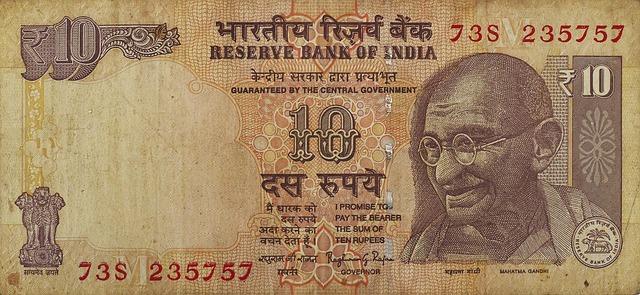
Rupee under strain! Will the Indian currency continue its free fall against US dollar or recover?
The Indian rupee has been under considerable pressure in recent weeks, hitting new lows against the US dollar and raising concerns among economists, investors, and policymakers. Amid rising global uncertainties, tightening monetary policies abroad, and domestic economic challenges, the currency’s steady depreciation has sparked intense debate over its trajectory. As businesses grapple with rising import costs and the Reserve Bank of India weighs intervention options, questions loom large: Will the rupee’s free fall persist, or are there signs of an imminent recovery? This article delves into the driving forces behind the rupee’s weakness and examines expert outlooks on its future performance.
Rupee Vulnerabilities Exposed Amid Global Economic Pressures
The Indian rupee has witnessed notable depreciation in recent weeks, primarily driven by a confluence of global economic pressures. Rising crude oil prices, escalating geopolitical tensions, and tightening liquidity conditions across emerging markets have collectively intensified the demand for the US dollar. Investors are increasingly gravitating towards safe-haven assets, leading to heightened volatility for the rupee. Key vulnerabilities include:
- A widening current account deficit exacerbated by import costs
- Slowing foreign direct investment inflows amid uncertainty
- Monetary policy divergence between the Federal Reserve and the Reserve Bank of India
Despite these headwinds, analysts argue that the rupee’s slide is not irreversible. Structural economic strengths such as a resilient export sector, ample foreign exchange reserves, and government reforms aimed at attracting capital could pave the way for stabilization. The coming quarters will be critical as global sentiment shifts and domestic fiscal policies adapt to mitigate external shocks.
| Factor | Impact on Rupee | Outlook |
|---|---|---|
| Crude Oil Prices | Negative – Increases import burden | Volatile |
| Foreign Investment | Mixed – Slowdown noted recently | Potential rebound |
| Interest Rate Differentials | Negative – US Fed tightening | Short-term pressure |
Impact of Rising US Dollar on Indian Imports and Inflation Trends
The surge in the US dollar’s value against the Indian rupee has sent ripples through India’s import-dependent sectors. A stronger dollar means it takes more rupees to buy the same amount of foreign goods, pushing up the cost of essential imports such as crude oil, electronics, and machinery. Industries reliant on raw materials priced in dollars are now facing mounting input costs, which threatens to squeeze profit margins and potentially slow down industrial growth. Importers are factoring in these higher expenses, often passing the burden onto consumers, which inevitably stokes inflationary pressures across the economy.
Experts point to several critical factors influencing this dynamic:
- Rising crude oil prices amplified by a weak rupee hike fuel inflation in transportation and manufacturing.
- Increased cost of electronics and technology imports impacting consumer durables and industrial automation.
- The pressure on the current account deficit due to expensive imports may lead to tighter monetary policies.
| Commodity | Price increase due to USD appreciation | Impact on CPI (%) |
|---|---|---|
| Crude Oil | 15% | 3.2% |
| Electronics | 10% | 1.1% |
| Machinery | 8% | 0.7% |
Strategic Policy Measures and Market Expectations for Currency Stabilization
In response to the rupee’s persistent depreciation, the Reserve Bank of India (RBI) has rolled out a suite of strategic interventions aimed at restoring stability. Key measures include tightening foreign exchange reserves management, increasing open market operations to absorb excess liquidity, and facilitating greater foreign direct investment inflows. Market analysts observe that the government’s commitment to fiscal prudence alongside these monetary tools plays a critical role in signaling confidence to international investors. Additionally, coordinated efforts to curb speculative trading and enhance transparency in currency transactions have been emphasized to dampen volatility.
Market expectations now hinge on the effectiveness and timeliness of these policy actions. Traders remain watchful for any shifts in the US Federal Reserve’s interest rate policy, which significantly influence the rupee-dollar trajectory. The current sentiment suggests cautious optimism-while the external pressures such as crude price shocks and geopolitical tensions persist, the RBI’s proactive stance and government assurances have catalyzed a measured recovery in some trading sessions.
- RBI’s FX resrves utilisation: $15 billion in targeted interventions
- Expected FDI inflows this quarter: $30 billion+
- Open market operations volume: ₹35,000 crores
- Inflation outlook: Stable at 5.1%
| Parameter | Current Value | Target/Expected |
|---|---|---|
| Rupee vs USD | ₹82.50 | ₹78.00 by Q4 |
| Forex Reserves | $564 billion | $580 billion by Q3 |
| Crude Oil Price | $95/barrel | Below $85/barrel |
The Conclusion
As the Indian rupee grapples with mounting pressures amid global economic uncertainties and domestic factors, market watchers remain divided on its trajectory. While some experts foresee potential short-term rebounds supported by policy interventions and improved trade dynamics, others caution that persistent inflationary trends and geopolitical developments could prolong the currency’s depreciation. Ultimately, the rupee’s path will depend on a complex interplay of international and domestic forces, making close monitoring essential for businesses, investors, and policymakers alike. The coming weeks will be crucial in determining whether the rupee stabilizes or continues its free fall against the US dollar.