
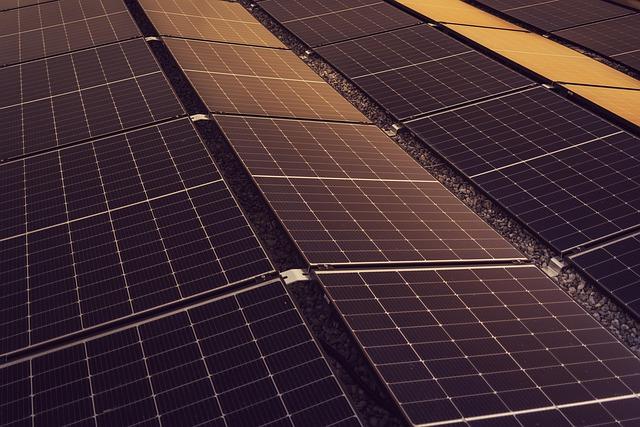
Cambodia’s garment industry, a vital pillar of the nation’s economy, is poised to benefit from a growing push towards clean energy adoption. As global demand for sustainable and environmentally friendly production increases, industry leaders and policymakers see the transition to renewable energy sources as a strategic opportunity to enhance competitiveness, reduce carbon footprints, and meet emerging international standards. This clean energy shift comes at a crucial time, promising to reshape Cambodia’s garment sector while supporting national goals for sustainable development and climate resilience.
Cambodia’s Garment Sector Faces Shift Towards Renewable Energy Solutions
As global demand for sustainable manufacturing intensifies, Cambodia’s garment industry is accelerating its adoption of renewable energy technologies. Major factories are investing in solar power installations and energy-efficient machinery, aiming to reduce their carbon footprint while cutting operational costs. Industry experts highlight this transition as a strategic move to align with international buyers’ green procurement standards, which increasingly favor environmentally responsible suppliers. These initiatives not only foster cleaner production processes but also enhance the sector’s competitiveness in global markets.
Key renewable energy measures being implemented include:
- Installation of rooftop solar panels in garment factories.
- Switching to LED lighting systems and energy-saving equipment.
- Integration of smart energy management systems for real-time monitoring.
- Use of biomass and other alternative clean energy sources.
| Renewable Energy Solution | Estimated Cost Reduction | CO2 Emission Savings (tons/year) |
|---|---|---|
| Solar Power Installation | 20-30% | 1,500 |
| LED Lighting Upgrade | 10-15% | 400 |
| Biomass Energy Use | 25-35% | 1,200 |
Benefits of Clean Energy Adoption for Sustainability and Cost Efficiency in Factories
The integration of clean energy technologies in Cambodia’s garment factories represents a critical step toward enhancing both environmental and economic outcomes. Factories that transition to renewable energy sources such as solar or wind power significantly reduce their carbon footprint, contributing to national and global sustainability goals. Beyond ecological benefits, these technologies often result in lower operational costs by decreasing dependence on volatile fossil fuel markets and minimizing energy wastage. This synergy between sustainability and cost efficiency makes clean energy adoption a strategic imperative for manufacturers aiming to stay competitive in a global market increasingly focused on green credentials.
Key advantages include:
- Substantial reduction in greenhouse gas emissions
- Long-term cost savings through reduced energy bills
- Enhanced compliance with international environmental standards
- Improved factory resilience against energy price fluctuations
- Positive brand image attracting eco-conscious buyers
| Aspect | Impact |
|---|---|
| Energy Costs | Reduced by up to 30% over 5 years |
| Carbon Emissions | Lowered by 40-60% after renewable integration |
| Compliance | Meets stricter international environmental standards |
| Market Appeal | Attracts sustainable-focused global buyers |
Strategic Steps for Industry Stakeholders to Accelerate Green Transformation
Industry stakeholders in Cambodia’s garment sector can harness the growing momentum of clean energy adoption by focusing on collaborative innovation and policy advocacy. Encouraging partnerships between manufacturers, energy providers, and governmental bodies will be crucial to unlock accessible financing options and incentivize renewable energy infrastructure investments. Prioritizing energy efficiency measures such as upgrading machinery, integrating solar-powered manufacturing processes, and optimizing supply chains can lead to significant reductions in carbon emissions and operational costs.
Moreover, clear frameworks to ensure transparency and sustainability reporting will enhance the sector’s credibility on the global stage. Stakeholders should emphasize workforce training programs that promote green skills development, equipping employees with the knowledge to maintain environmentally sound practices. The following table highlights key strategic actions and their anticipated impact on Cambodia’s garment industry:
| Strategic Action | Expected Outcome |
|---|---|
| Adoption of Solar Energy Systems | Reduce electricity costs by 30% |
| Government-Industry Incentive Programs | Increase clean energy investment by 50% |
| Green Skills Training | Improve workforce efficiency & compliance |
| Supply Chain Optimization | Cut emissions by 20% |
- Leverage public-private partnerships to drive large-scale renewable projects.
- Implement real-time monitoring for energy use to identify waste.
- Engage with global buyers to meet green sourcing demands.
Final Thoughts
As Cambodia’s garment sector continues to play a vital role in the country’s economy, the shift towards clean energy presents both a challenge and an opportunity. By embracing renewable energy solutions, the industry can reduce its environmental footprint, enhance competitiveness, and meet growing global demands for sustainable manufacturing. Stakeholders, including government authorities, factory owners, and international partners, are poised to drive this transition, positioning Cambodia’s garment industry as a forward-looking player in the global market. The path ahead will require coordinated effort and investment, but the potential rewards-in terms of economic resilience and environmental responsibility-are significant.