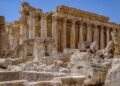

Cambodia Tourism’s Park Hyatt Siem Reap has announced a landmark collaboration with the World Monuments Fund (WMF) aimed at preserving the historic Angkor Archaeological Park, one of Southeast Asia’s most treasured cultural sites. This partnership not only underscores a commitment to heritage conservation but also seeks to offer guests an immersive and responsible travel experience that highlights the rich history and cultural significance of the Angkor region. By blending luxury hospitality with sustainable tourism practices, the initiative sets a new standard for safeguarding Cambodia’s iconic landmarks while fostering meaningful connections between visitors and the country’s ancient heritage.
Cambodia Tourism Park Hyatt Siem Reap Partners with WMF to Protect Angkor Archaeological Heritage
In a groundbreaking move towards sustainable tourism, Park Hyatt Siem Reap has entered into a strategic partnership with the World Monuments Fund (WMF) to safeguard the Angkor Archaeological Park, a UNESCO World Heritage site renowned worldwide for its historical and cultural significance. This collaboration aims to enhance conservation efforts through innovative preservation techniques, while enriching visitors’ experiences by promoting responsible and immersive cultural tourism. Guests at Park Hyatt Siem Reap will soon have exclusive access to curated tours and educational programs designed to deepen their understanding of Angkor’s rich heritage, all while supporting ongoing restoration projects.
The initiative includes a multifaceted approach to conservation, incorporating community engagement, heritage education, and sustainable tourism practices. Key highlights of the partnership include:
- Co-development of interpretative visitor programs that emphasize cultural sensitivity
- Financial contributions directed towards the structural preservation of temples and archaeological sites
- Training workshops for local guides on heritage protection and storytelling
- Promotion of eco-friendly travel options to minimize the environmental impact of tourism
| Project Focus | Expected Outcome | Timeline |
|---|---|---|
| Structural Conservation | Stabilized temple ruins and protected stone carvings | 2024-2026 |
| Community Education | Increased local participation and cultural pride | Ongoing |
| Visitor Engagement | Responsible tourism practices embraced by visitors | 2024 Launch |
Innovative Cultural Programs Offer Guests Responsible and Immersive Experiences
Guests at Park Hyatt Siem Reap now have the opportunity to engage deeply with Cambodia’s rich heritage through expertly curated cultural programs developed in collaboration with the World Monuments Fund (WMF). These initiatives emphasize responsible tourism, ensuring that every experience contributes to the long-term preservation of the Angkor Archaeological Park. Visitors can immerse themselves in authentic workshops and guided tours that highlight traditional Khmer arts, crafts, and history, all facilitated by local artisans and historians dedicated to safeguarding their cultural legacy.
Highlighted programs include:
- Traditional Apsara dance performances paired with insightful storytelling.
- Hands-on stone carving sessions using sustainable methods endorsed by preservation experts.
- Exclusive sunrise temple visits guided by WMF-trained archeologists, focusing on conservation challenges and success stories.
| Program | Duration | Impact Focus |
|---|---|---|
| Apsara Storytelling & Dance | 1.5 hours | Preservation of performing arts |
| Stone Carving Workshop | 2 hours | Promoting sustainable craft techniques |
| Sunrise Temple Conservation Tour | 2.5 hours | Education on archaeological preservation |
Experts Recommend Sustainable Tourism Practices to Safeguard Angkor for Future Generations
Recognizing the fragile nature of the Angkor Archaeological Park, experts from the Park Hyatt Siem Reap and the World Monuments Fund (WMF) have emphasized the importance of adopting sustainable tourism practices that balance visitor access with conservation efforts. These measures aim to mitigate the environmental impact caused by the increasing influx of tourists while preserving the cultural and historical integrity of the site. Key recommendations include encouraging shorter visits, promoting off-peak travel periods, and fostering collaboration with local communities to support economic development that aligns with preservation goals.
Among the highlighted sustainable practices are:
- Eco-friendly transportation: Utilizing bicycles and electric vehicles inside the park to reduce carbon emissions.
- Educational tours: Offering guided experiences that inform visitors about the site’s history and the necessity of protection.
- Waste management: Implementing strict waste disposal policies to maintain site cleanliness.
| Practice | Purpose | Expected Outcome |
|---|---|---|
| Controlled Visitor Numbers | Prevent site degradation | Reduced wear and tear |
| Community Engagement | Local stewardship | Economic and cultural sustainability |
| Interpretive Signage | Awareness building | Respectful visitor behavior |
In Conclusion
As Cambodia continues to rise as a premier destination for cultural tourism, the collaboration between Park Hyatt Siem Reap and the World Monuments Fund marks a significant step toward sustainable heritage preservation. By merging luxury hospitality with a commitment to protecting the Angkor Archaeological Park, this partnership not only enhances the guest experience but also ensures the safeguarding of one of the world’s most treasured historic sites for future generations. Travelers seeking meaningful and responsible cultural encounters can look to this initiative as a model for how tourism can positively contribute to heritage conservation in Cambodia and beyond.