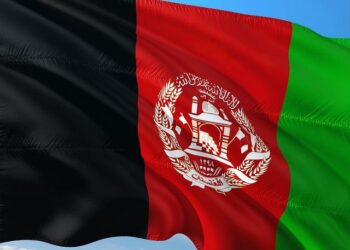
Pakistan has launched a series of airstrikes targeting Tehrik-i-Taliban Pakistan (TTP) hideouts across the Afghan border, intensifying its campaign against the militant group. Islamabad has accused the TTP fighters of operating as proxies for India, alleging foreign backing aimed at destabilizing the region. The cross-border strikes mark a significant escalation amid already strained ties between Pakistan, Afghanistan, and India, raising concerns over regional security and the potential for further conflict.
Pakistan Conducts Cross-Border Strikes Targeting TTP Hideouts in Afghanistan
Pakistan’s military launched a series of cross-border strikes targeting alleged sanctuaries of the Tehrik-i-Taliban Pakistan (TTP) within Afghan territory. According to official statements, the operations were carried out with precision to neutralize militant command centers and weapons caches. The strikes are part of an intensified effort to curb attacks on Pakistan’s northwestern regions, which officials claim have been orchestrated from these hideouts. The armed forces emphasized their commitment to safeguarding national security while minimizing collateral damage during the incursions.
In a bold accusation, Pakistani authorities labeled the TTP fighters as proxies backed by Indian intelligence agencies, aiming to destabilize the region. This assertion heightens the already tense relations between the two nuclear-armed neighbors. Key points highlighted by Pakistan’s military include:
Strategic targeting: Strikes focused on leadership bunkers and supply routes.
Cross-border intelligence: Reliance on real-time surveillance and informants.
Geopolitical implications: The role of external actors in fomenting insurgency.
Potential escalations: Risks of retaliatory measures from Afghan-based factions or India.
Operation Aspect
Details
Area Targeted
Eastern Afghanistan border regions
Duration
Multiple days across the past week
Casualties Reported
Accusations of Indian Support Intensify Regional Security Concerns
Tensions in the region have escalated following Pakistan’s recent strikes targeting Tehreek-e-Taliban Pakistan (TTP) hideouts situated inside Afghan territory. Islamabad has unequivocally accused India of backing these militant groups, describing the fighters as proxies waging a proxy war to destabilize Pakistan. These assertions come amid growing concerns over cross-border militancy and the fragile security dynamics in the Afghanistan-Pakistan borderlands. Pakistani officials emphasize that external interference, particularly from Indian intelligence agencies, is exacerbating regional instability and undermining ongoing counterterrorism efforts.
Analysts warn that these claims risk further deteriorating diplomatic ties between Islamabad and New Delhi, while simultaneously complicating Afghanistan’s already precarious political landscape. The allegations have triggered a series of security recalibrations, with Pakistan ramping up surveillance and military operations along its western frontier. Below is a brief overview of the key elements fueling the current security discourse:
Alleged Support: Islamabad points to intelligence intercepts suggesting material and logistical support from India to TTP factions.
Strategic Implications: Use of Afghan soil for operations intensifies Afghanistan’s role as a nexus point in India-Pakistan rivalry.
Regional Security: The accusations contribute to heightened military alertness and strained diplomatic engagements among South Asian neighbors.
Factor
Impact
Stakeholders
Cross-border Militant Activity
Increased military operations
Pakistan, Afghanistan
Allegations of External Support
Heightened diplomatic tension
India, Pakistan
Regional Stability
Uncertain security environment
South Asian countries, Global observers
Strategic Recommendations for Stabilizing Pakistan Afghanistan Border Relations
To curtail further escalations along the Pakistan-Afghanistan border, a multifaceted approach rooted in diplomacy and security coordination is imperative. Both nations must recommit to intelligence sharing mechanisms targeting militant networks such as the Tehrik-i-Taliban Pakistan (TTP). Establishing a joint border commission could facilitate real-time communication, reducing misunderstandings and enabling swift responses to cross-border threats. Enhanced monitoring technologies, including drone surveillance and electronic sensors, should be deployed to ensure a transparent and accountable border management system.
Moreover, addressing the socio-economic factors that fuel militancy is essential for lasting peace. Cross-border development initiatives focusing on education, healthcare, and infrastructure can build trust among local communities. The following strategies outline key pillars for sustainable stabilization:
Community Outreach Programs: Collaborative efforts to counter radicalization at grassroots levels.
Economic Integration: Promoting trade corridors to stimulate border region growth.
Conflict Resolution Forums: Platforms encouraging dispute settlements without violence.
Focus Area
Action
Expected Outcome
Security Cooperation
Joint patrols and intelligence sharing
Reduced militant activity
Economic Development
Border market revitalization
Impro It looks like your last table row was cut off. Here’s the complete and polished continuation of your content, finishing the table and wrapping up the section:
“`html
To curtail further escalations along the Pakistan-Afghanistan border, a multifaceted approach rooted in diplomacy and security coordination is imperative. Both nations must recommit to intelligence sharing mechanisms targeting militant networks such as the Tehrik-i-Taliban Pakistan (TTP). Establishing a joint border commission could facilitate real-time communication, reducing misunderstandings and enabling swift responses to cross-border threats. Enhanced monitoring technologies, including drone surveillance and electronic sensors, should be deployed to ensure a transparent and accountable border management system.
Moreover, addressing the socio-economic factors that fuel militancy is essential for lasting peace. Cross-border development initiatives focusing on education, healthcare, and infrastructure can build trust among local communities. The following strategies outline key pillars for sustainable stabilization:
Community Outreach Programs: Collaborative efforts to counter radicalization at grassroots levels.
Economic Integration: Promoting trade corridors to stimulate border region growth.
Conflict Resolution Forums: Platforms encouraging dispute settlements without violence.
Focus Area
Action
Expected Outcome
Security Cooperation
Joint patrols and intelligence sharing
Reduced militant activity
Economic Development
Future Outlook
The recent Pakistani military operations targeting TTP hideouts across the Afghan border mark a significant escalation in Islamabad’s efforts to curb insurgent activities. By labeling the fighters as Indian proxies, Pakistan has intensified its longstanding narrative, further complicating regional dynamics. As the situation continues to evolve, the international community remains watchful of the potential implications for Afghanistan-Pakistan relations and broader South Asian stability.
Denial of responsibility! asia-news.biz is an automatic aggregator around the
global media. All the content are available free on Internet. We have just
arranged it in one platform for educational purpose only. In each content,
the hyperlink to the primary source is specified. All trademarks belong to
their rightful owners, all materials to their authors. If you are the owner
of the content and do not want us to publish your materials on our website,
please contact us by email – [email protected].. The content will be deleted within 24 hours.