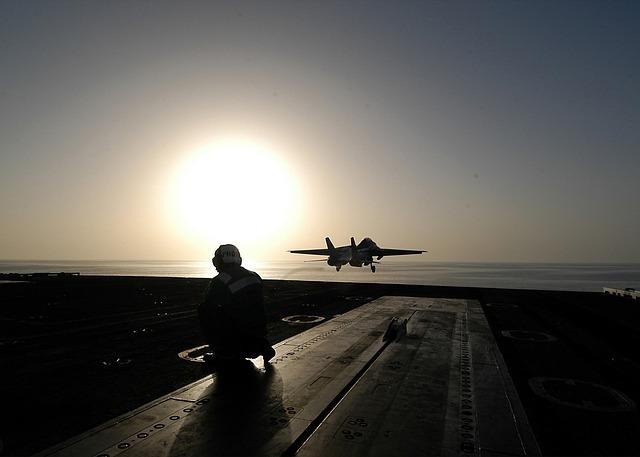
Three Indian sailors have tragically lost their lives following a series of attacks by the United States on a commercial vessel off the coast of Oman, according to reports from the South China Morning Post. The incident has raised urgent concerns over maritime security in the strategically vital waters near the Arabian Peninsula, intensifying diplomatic tensions in the region. Authorities are currently investigating the circumstances surrounding the attacks, while India has called for a thorough inquiry and assurances for the safety of its nationals engaged in international shipping.
Casualties Confirmed Following US Strike on Commercial Vessel Near Oman
In a tragic turn of events, three Indian sailors lost their lives following a US military strike on a commercial vessel operating near the waters off Oman. Authorities have confirmed that the incident occurred amid rising regional tensions, with the vessel targeted under suspicions of carrying contraband materials. Despite efforts to control the situation, the attack resulted in significant casualties, leaving the maritime community and families of the deceased in deep mourning. The exact circumstances leading to the strike remain under investigation.
Details released so far highlight a swift but controversial response by US forces, raising concerns about the safety of international commercial shipping lanes in the strategically vital Gulf of Oman. The Indian government has condemned the loss of its nationals and is demanding a thorough inquiry. Key facts surrounding the vessel and the strike are summarized below:
- Vessel Name: MV Sea Spirit
- Flag State: Panama
- Casualties: 3 Indian sailors confirmed dead
- Location of Incident: Gulf of Oman, approximately 40 nautical miles off the coast
- Suspected Cargo: Under investigation
| Aspect | Status |
|---|---|
| US Military Statement | Pending official release |
| Indian Government Response | Demanding inquiry and compensation |
| International Maritime Organization | Monitoring situation closely |
| Search and Rescue Status | Completed; no survivors found |
Geopolitical Implications for India US and Gulf Security Dynamics
The tragic loss of three Indian sailors following the US attack on a commercial vessel near Oman has compounded existing tensions within a complex web of regional security challenges. This incident highlights the fragile balance between maritime freedom and military assertiveness in the strategically vital Arabian Sea and Gulf region. Both India and the US have longstanding strategic interests here, not only in countering Iran’s influence but also in safeguarding energy routes critical to global markets. The attack underscores a sharp reminder of the risks posed by rapid escalation, where civilian lives become collateral in geopolitical power plays.
Key geopolitical consequences include:
- Strained India-US relations: India faces pressure to recalibrate its diplomatic stance, balancing its ties as a strategic US partner and its demand for accountability.
- Heightened Gulf security concerns: Gulf states may feel compelled to bolster their maritime security frameworks, potentially increasing reliance on multinational coalitions.
- Regional power recalibration: The event could accelerate realignments, with India potentially pursuing deeper defense cooperation with Gulf states to protect its maritime and expatriate interests.
- Economic disruption: Increased naval activity and mistrust risk unsettling vital international shipping lanes, affecting energy prices globally.
| Country | Security Priority | Recent Strategic Moves |
|---|---|---|
| India | Protect maritime trade and nationals | Enhanced naval patrols, dialogues with Gulf states |
| USA | Counter Iran, maintain regional dominance | Increased naval presence, intelligence sharing |
| Gulf States | Secure critical oil shipping lanes | Collaborative security frameworks, investment in coastal defense |
Urgent Calls for Strengthened Maritime Safety Protocols and Diplomatic Engagements
The recent fatal incident involving Indian sailors following a US attack on a commercial vessel near Oman starkly highlights glaring deficiencies in maritime safety regulations and enforcement. Experts and authorities now emphasize the urgent need to bolster navigation protocols, vessel tracking technologies, and real-time communication systems to prevent such tragedies. Enhanced collaboration among regional coast guards and international maritime organizations could significantly reduce the risk of misidentifications and unintended confrontations in one of the world’s busiest shipping corridors.
Equally pressing is the call for intensified diplomatic efforts to de-escalate tensions and establish clearer engagement frameworks between military forces and civilian maritime operators. Key strategies proposed include:
- Joint naval exercises focused on conflict avoidance and deconfliction
- Implementation of standardized rules of engagement and conduct codes at sea
- Regular diplomatic dialogues to address maritime security concerns
Such measures are critical not only to protect lives but also to sustain the uninterrupted flow of global trade through strategic waterways.
| Recommended Safety Enhancements | Purpose |
|---|---|
| Automated Identification System (AIS) Upgrades | Improve vessel tracking accuracy |
| Real-time Military-Civilian Communication Protocols | Reduce misidentification risk |
| Incident Reporting and Transparency Platforms | Enhance accountability and response time |
Closing Remarks
The tragic deaths of the three Indian sailors in the recent US attack on a commercial vessel off the coast of Oman have prompted widespread concern and calls for restraint from the international community. As investigations continue, the incident underscores the growing tensions in the strategically vital region and the urgent need for diplomatic efforts to prevent further escalation. Authorities in India have condemned the attack and vowed to seek justice for the victims, while maritime security remains a critical issue for commercial shipping routes in the area.